

Photography, at the threshold of its bicentenary, becomes here less a medium than a condition of perception itself. Remember Me at the Bourse de Commerce gathers image, archive, and gesture into a single unfolding field where memory is not stored but constantly reassembled. The exhibition operates through proximity rather than sequence, allowing works to collide, echo and refract one another in shifting constellations. Across centuries of practice, photography is treated not as a linear history but as a series of recurring questions about presence and disappearance. The result is an environment where looking becomes an act of reconstruction, and where the photograph is never fully settled into its own time.
This sense of accumulation is inseparable from the bicentenary moment that frames the project, marking two centuries since photography first began to articulate the world as reproducible image. Rather than treating this milestone as retrospective closure, the exhibition opens it outward, emphasising photography’s continuing instability as both document and fiction. From early experiments in light and chemistry to contemporary digital reinterpretations, the medium is revealed as a sustained negotiation with time. Works by Gustave Le Gray and Dorothea Lange are positioned as active participants in an ongoing visual grammar. Memory, in this context, is shaped as much by absence as by record.
At the centre of the exhibition’s conceptual gravity is Barbara Kruger, whose work lends both title and critical charge. Her declaration “Remember me” operates less as instruction than as provocation, collapsing intimacy and authority into a single imperative. Installed within the Rotunda, Kruger’s visual language of text and image expands across the architectural space, turning the museum into a site of inscription. The familiar force of her statements, from the iconic “I shop therefore I am” to newer interventions, underscores the instability of identity within image culture. Here, language does not annotate photography but interrupts it, insisting on the viewer’s complicity in meaning-making.
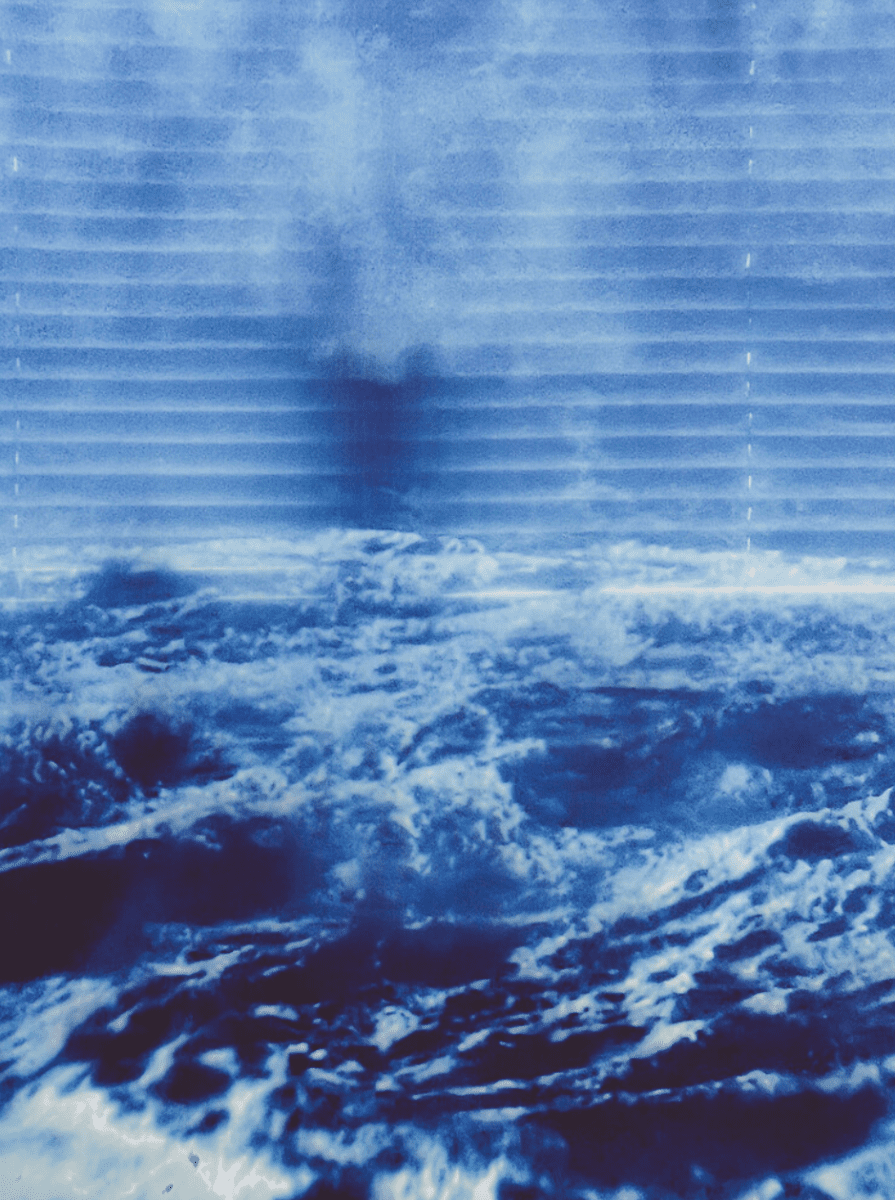
The exhibition unfolds as a fugue, refusing chronology in favour of recurrence and variation. Works are arranged so that historical distance collapses into visual proximity, allowing unexpected correspondences to surface between eras. Gustave Le Gray’s maritime horizons resonate with Eileen Quinlan’s atmospheric abstractions, while Cindy Sherman’s staged identities converse with earlier photographic constructions of persona. This non-linear structure produces a sense of movement without destination. Rather than guiding the viewer through time, the display circulates them through thematic intensities that resist resolution.
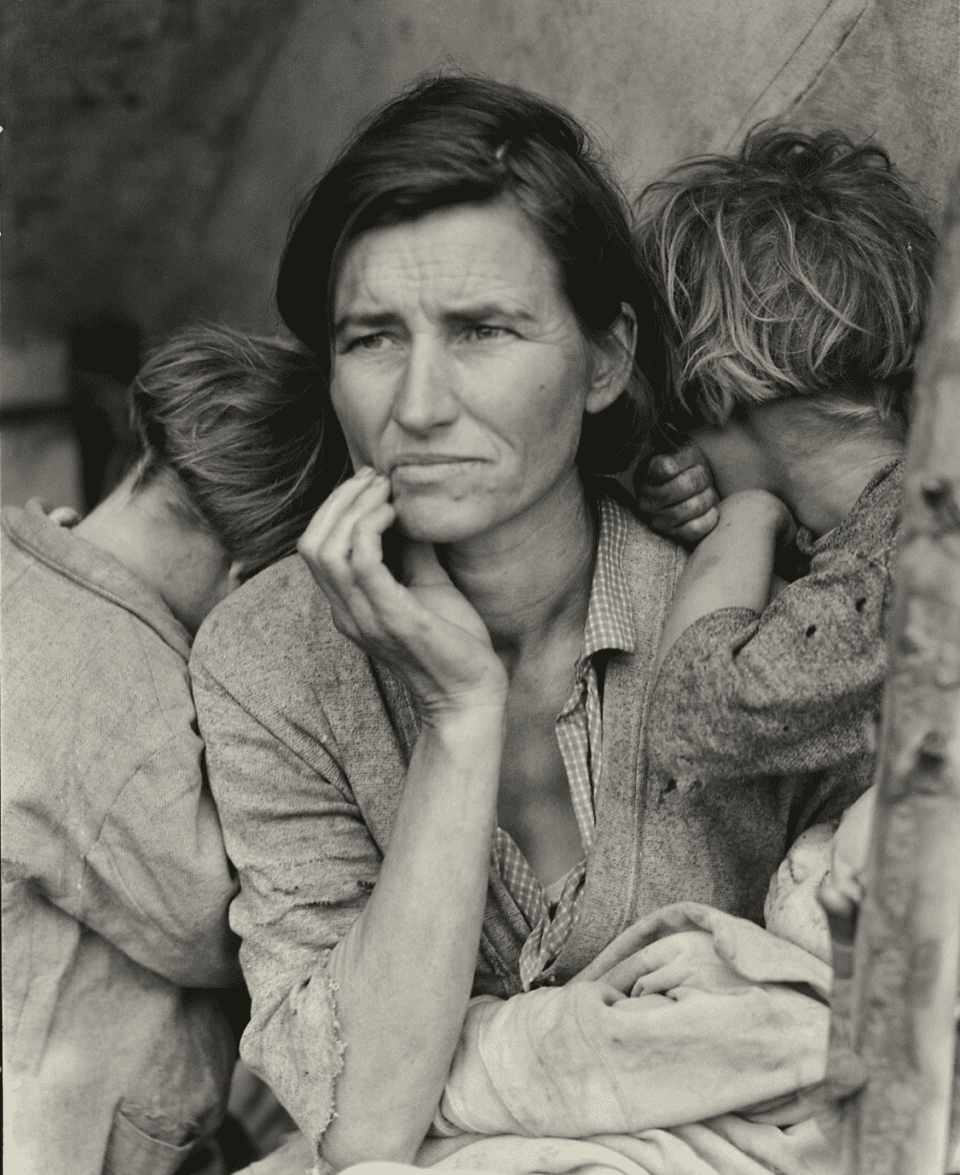
Memory emerges as the show’s most persistent thread, shaping not only subject matter but also formal approach. Portraiture, in particular, becomes a site where identity is continually negotiated. Richard Avedon’s stark compositions, with their emphasis on psychological exposure, sit alongside August Sander’s typologies of 20th century society, producing a dialogue between individuality and classification. Sherrie Levine’s reframing of Sander’s images further destabilises authorship, suggesting that memory is always already mediated. Dorothea Lange’s Migrant Mother anchors this constellation with a gaze that is both historical and immediate, its emotional clarity unsettled by the knowledge of its continued circulation.
Within this expanded field, Irving Penn and Raymond Depardon occupy parallel but contrasting registers of attention. Penn’s studio practice transforms photography into a form of sculptural precision, where objects and bodies are isolated into near-ritual clarity. His studies, including variations of Cuzco Children, reveal how subtle shifts in print and material alter perception itself. His work becomes an architecture of attention, insisting on photography as crafted object. Depardon, by contrast, turns outward toward civic and rural landscapes, mapping France through cafés, streets, and peripheral spaces. His images carry a restrained melancholy, where everyday architecture becomes a record of slow disappearance.
Elsewhere, the exhibition expands into more experimental and conceptual territories, where photography is tested against its own limits. Wolfgang Tillmans introduces a language of material fragility, where abstraction and document coexist without hierarchy. Louise Lawler redirects attention toward systems of display, revealing how art circulates through institutional and domestic spaces alike. Man Ray’s presence, culminating in an abstract gesture that resists photographic definition, introduces a final collapse between image and object. These works collectively resist closure, suggesting that photography is a continuous reconfiguration of seeing. The medium’s identity is thus located in its perpetual revision.
Across these intersections, the exhibition sustains a tension between intimacy and scale, between the singular photograph and the overwhelming archive. Figures such as Francesca Woodman, Nan Goldin, and Tyler Mitchell extend the emotional register of the medium into territories of vulnerability, embodiment, and historical memory. Their works insist that photography is never neutral, always entangled with the conditions of its making and reception. Even when images appear immediate, they are shaped by distance, editing and repetition. The viewer is positioned as participant in an evolving visual economy.
Photography becomes a living structure of remembrance, one that continually revises its own foundations. The bicentenary becomes less a commemorative marker than a point of acceleration, drawing historical depth into contemporary urgency. Within the circular architecture of the Bourse de Commerce, images return to one another without final resolution, echoing the spatial logic of recurrence. Remember Me proposes that to look at photographs is to enter a circuit of incomplete recollections, where meaning is in transit. The exhibition opens photography not as history concluded, but as duration still unfolding.
Remember Me is at Bourse de Commerce, Paris from 7 October: pinaultcollection.com
Words: Simon Cartwright
Image Credits:
1&4. Dorothea Lange, Migrant Mother, 1936.
2. Barbara Kruger, Untitled (Remember me), 1988/2020.
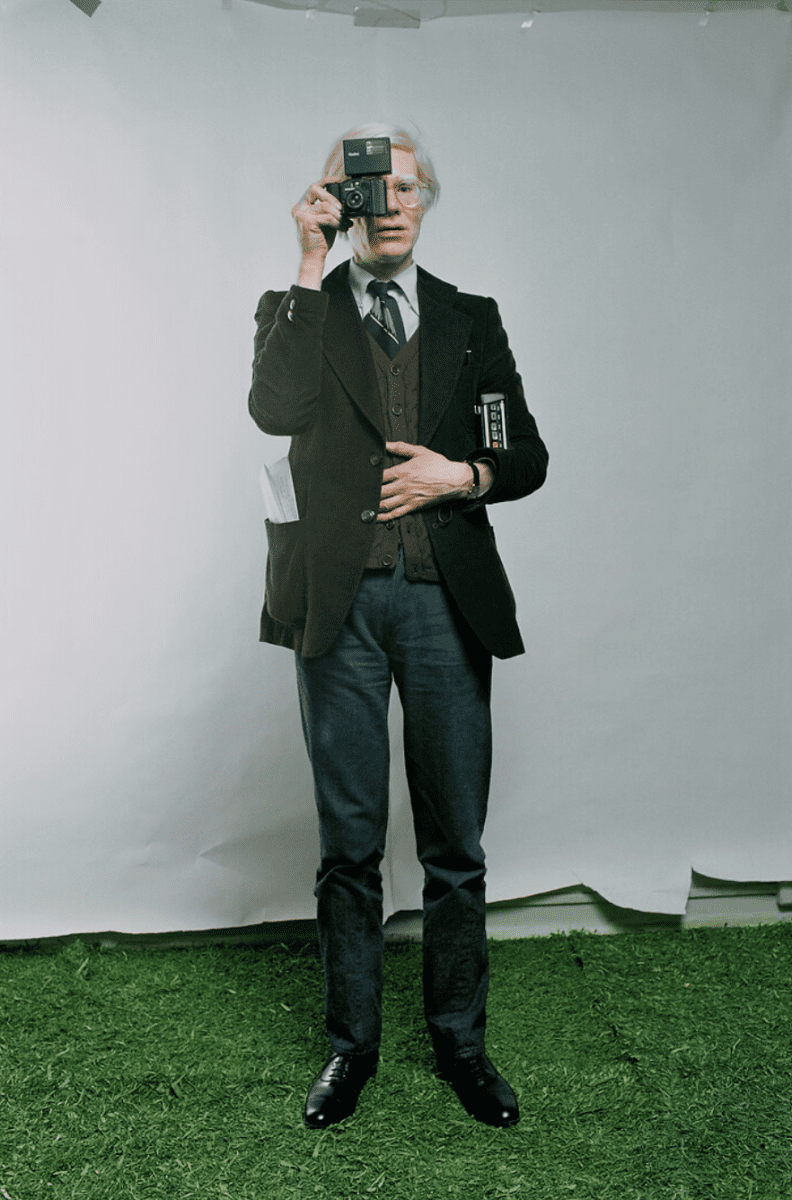
3. Annie Leibovitz, Andy Warhol, New York City, 1976, 1976.
5. Eileen Quinlan, Shut-in Set (Oh Sister), 2023.


