

Almost 70 years after their work was first shown in Venice, two artists regarded as central figures in the 20th century Polish avant-garde—the artist, playwright and theatre director Tadeusz Kantor and the painter, sculptor and actress Maria Jarema—are the focus of a collateral exhibition during this year’s Biennale that highlights the interdisciplinary and intertwined nature of their work.
Organised by the Warsaw-based Starak Family Foundation at the Procuratie Vecchie on the northern side of St Mark’s Square, the exhibition, Tadeusz Kantor (1915-1990) Emballage Cricotage and Madame Jarema (until 22 November), brings together major paintings, monotypes, sculptural works, theatre props and costumes, culminating in a room dedicated to Kantor’s internationally renowned theatre piece, The Dead Class (1975).
Tadeusz Kantor, Bench (The Dead Class) (1975–82) Photo: Bozzy and Savary, courtesy of Galerie Kaléidoscope); Courtesy © Lech Stangret & Dorota Krakowska / Tadeusz Kantor Foundation
In the period following the end of the Second World War, Kantor and Jarema became key figures in Kraków’s avant-garde scene, co-founding the highly influential Cricot 2 theatre group in 1955. Work by Jarema was exhibited at the 1958 Venice Biennale, before her death later that year at the age of 49, while Kantor, who went on to attract significant international acclaim, featured in the Polish pavilion two years later.
According to the show’s curator, Ania Muszyńska, the Procuratie exhibition, “is first and foremost, an exhibition devoted to Tadeusz Kantor”, with over 60 works on display spanning “the key phases of his artistic practice”, from the 1950s through to his last painting series, produced between 1997 and 1990.
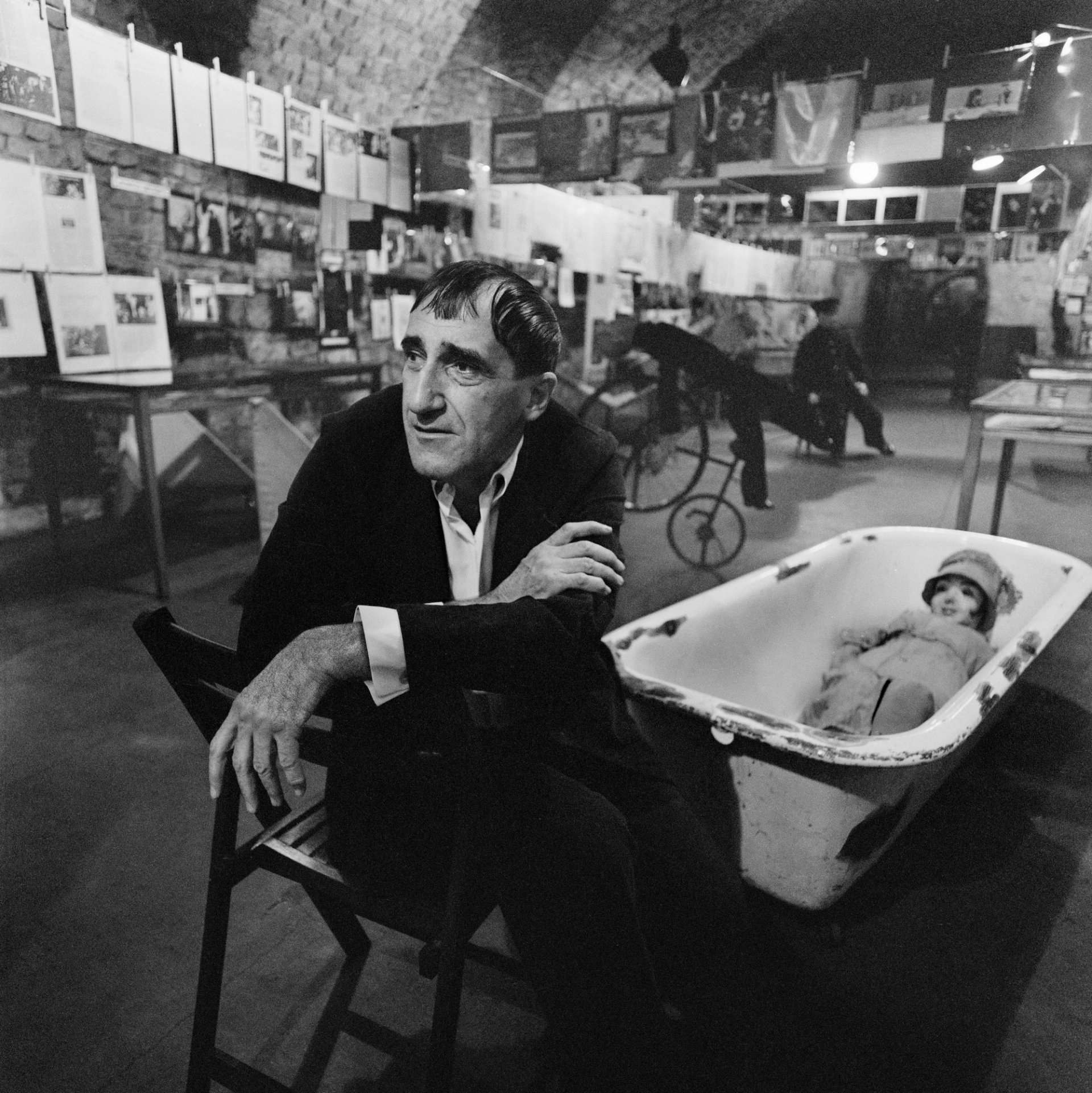
Tadeusz Kantor Photo: © Wojciech Plewiński
Describing him as, “one of the most important and widely recognised Polish artists of the 20th century”, Muszyńska says Kantor played a “truly foundational” role. “It was Kantor”, the curator explains, “through his extensive contacts in the West and the unique possibility of travelling internationally with Cricot 2, who became a conduit for new artistic ideas and tendencies, bringing them into Poland. He created Poland’s first informel painting, the first assemblage, the first performance, and the first happening.”
At the same time, Muszyńska says, “it was essential for me to present Maria Jarema as a figure fundamental to the formation of Kantor’s radically free and avant-garde understanding of art.” Works in the exhibition by Jarema include nine monotypes from the Starak Collection and specially reconstructed costumes based on designs Jarema produced for her first two theatrical collaborations with Kantor.
While Jarema’s work has not previously been as widely known as that of Kantor, she has recently begun to attract greater attention, with a large exhibition currently presenting her pieces in dialogue with those of acclaimed international peers at the Museum of Modern Art in Warsaw.
“Jarema’s importance to Kantor”, Muszyńska notes, “was fundamental. As a slightly older artist, she introduced him to the ideas of the pre-war avant-garde, of which she herself had been an active participant.”
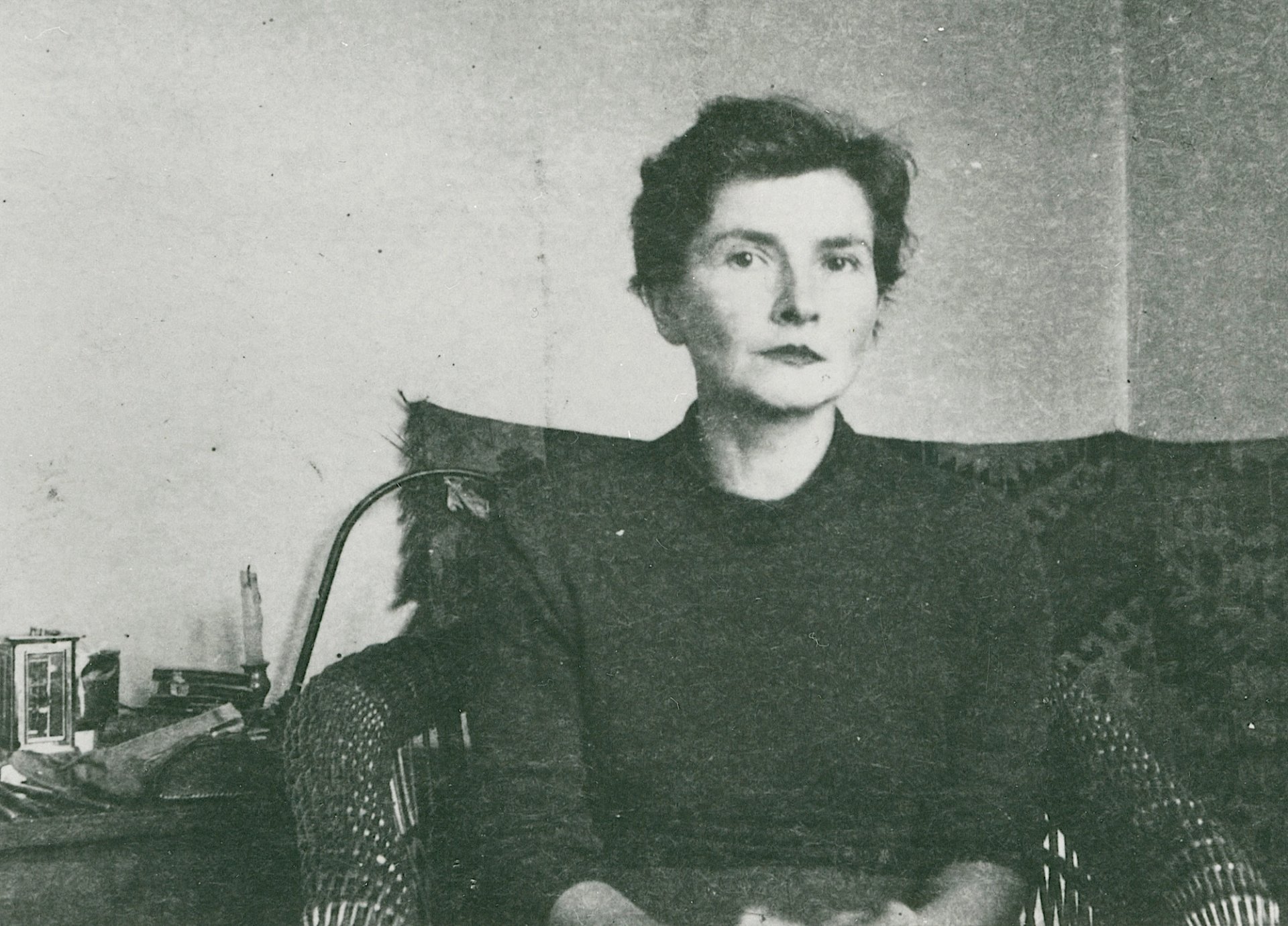
Portrait of Maria Jarema Photo: © Courtesy of the artist’s family
The relationship between the two, the curator says, was unique, with Kantor usually seen as “an authoritarian figure” who “very rarely spoke of other artists with admiration and almost never acknowledged that another artist’s work had influenced his own.”
A particularly moving item in the exhibition for Muszyńska is a letter-poem written by Kantor to Jarema. “They were never romantically involved,” she explains, “yet they remained intensely connected and mutually fascinated by one another. Within the canon of post-war Polish art, these are two absolutely fundamental figures — not only as artists and personalities, but as creators who rebuilt the language of the avant-garde after the catastrophe of the Second World War.”


