

The Sainsbury Centre, an art museum in the east of England, has received a £91.2m donation from the British politician and businessman David Sainsbury through Gatsby, his charitable foundation. The money will be used to renovate the grade II* building, which was designed by Norman Foster and completed in 1978. It is one of the largest donations ever made to a UK museum.
“This incredible gift secures the future of the Sainsbury Centre,” says Sainsbury Centre’s executive director, Jago Cooper, in a press statement. “Foster’s vision for the most radical art museum in the world half a century ago is being revitalised for the next generation of visitors.”
David Sainsbury is the son of Robert and Lisa Sainsbury, who donated their significant collection of art and artefacts to the University of East Anglia (UEA) in 1973. The collection is known for the quality of its Modernist art, with works by Pablo Picasso, Edgar Degas, Francis Bacon and Henry Moore, many of whom became friends of the Sainsbury’s. The collection also includes modern ceramics and a large number of cultural objects from Africa, Oceania and the Americas.
David Sainsbury funded the original building of the Sainsbury Centre, on the grounds of the UEA, which cost £4.2m. The 150m-long building, made from an engineered steel space frame, clad in white panels and eight-metre-high glass windows, was groundbreaking for its day and is described on the Sainsbury Centre’s website as “more aircraft hanger than conventional museum”.
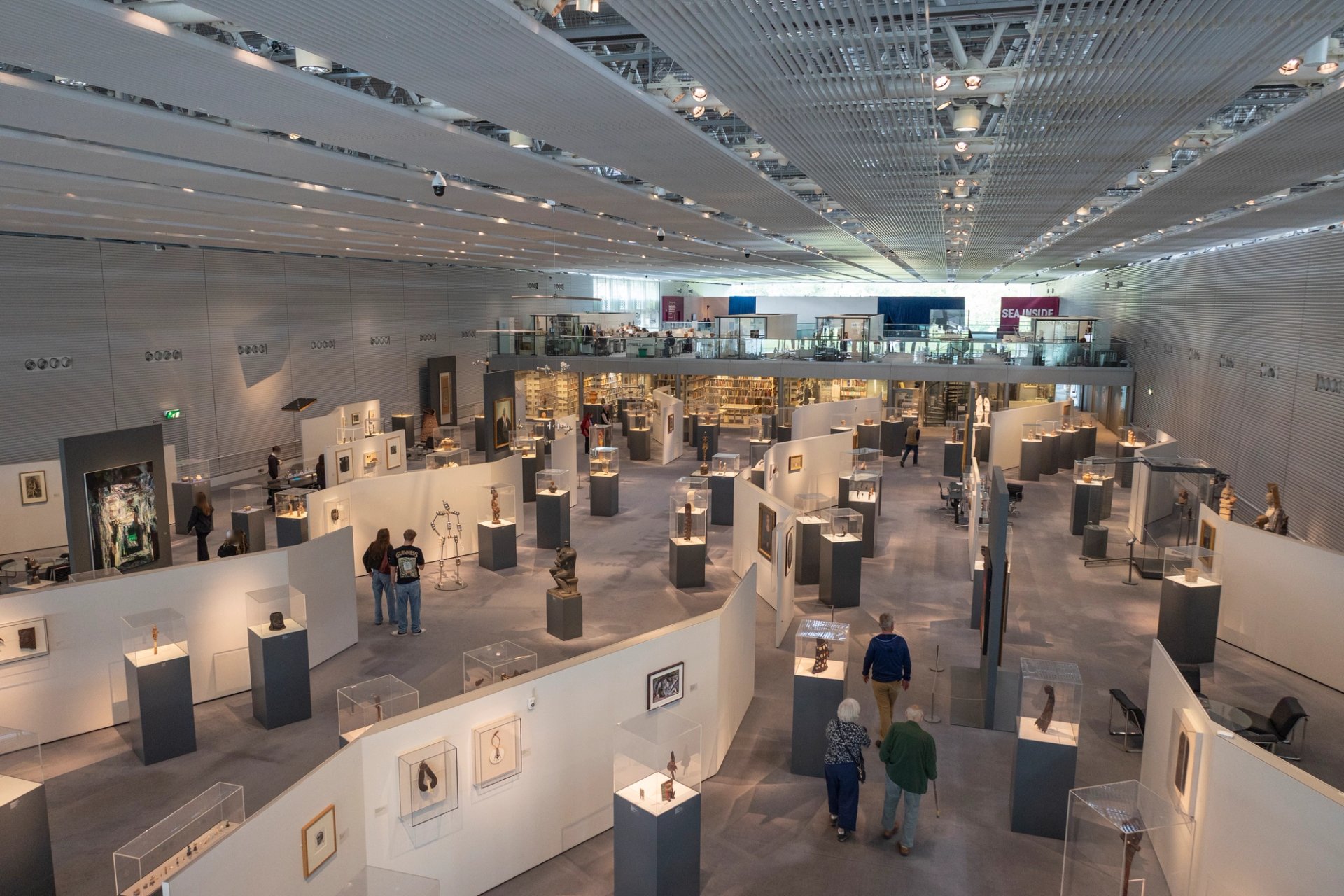
Inside the Sainsbury Centre Photo: Kate Wolstenholme
The £91.2m renovation by Foster + Partners will involve improvements to the buildings envelope (the outer shell including the foundations, exterior walls, roof, windows and doors), which are expected to halve the amount of energy the museum uses. Photovoltaic panels will also be added to the new roof system, which will provide renewable energy, and renewed solar controlled blinds will bring more natural light into the gallery spaces. The project will contribute to the UEA’s commitment to achieving a net zero campus by 2045.
Updates will also be made to the entrances, lifts, signage, flooring, bathrooms, café, kitchen and staff spaces, while landscaping will better connect the building to the sculpture trails within the surrounding campus. Dates for the capital project are yet to be announced.
The architecture has received critical acclaim over the years—in the year the museum was completed it won the Royal Institute of British Architects’ Award, where the institute’s president Gordon Graham described it as one of the most outstanding buildings of the 20th century.
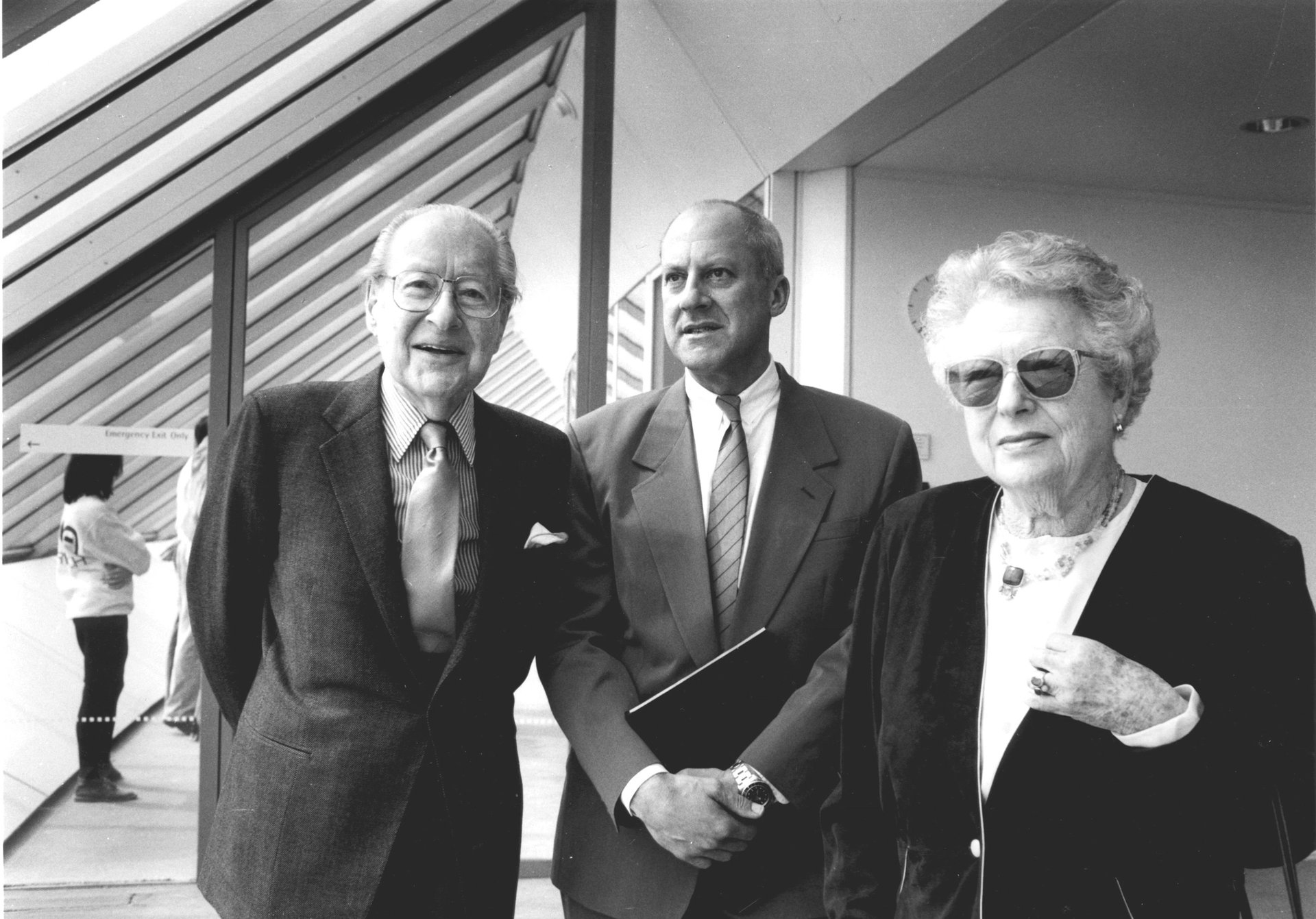
From left: Robert Sainsbury, Norman Foster and Lisa Sainsbury at the Sainsbury Centre Courtesy of the Sainsbury Centre
However, its innovative design has meant that upkeep of the building has been complicated and expensive over the years. In 2022, the museum received a £325,000 grant from Arts Council England to help repair its damaged glass panel structures that had left “the integrity of the building […] at major risk”, according to the museum website. In 2025, it received a further £1,276,711 grant from the Department for Culture, Media & Sport (DCMS) for urgent works to replace the environmental systems and add a service lift.
“My father always regarded his commissioning of Norman Foster to produce the Sainsbury Centre as one of the best things he ever did, and it gives me great pleasure to provide the funding to enhance its future,” David Sainsbury said in a press statement.


