

Photomontage has roots in 19th century Victorian scrapbooking and early photo albums. The medium developed significantly during the early 1900s, when Dadaists adopted it as a political tool, before it later became embraced by Pop Art. Today, it is experiencing a resurgence, as creatives embrace tactility in response to the hyperreality of AI-generation. Daniel Rose is a graphic designer, art director and photographer, who describes his collages as a place where “analogue cardboard meets digital scissors.” He combines images of nature – branches, flowers and leaves – with colourful geometric shapes. Some of these forms are added in front of the camera, others spliced later in post-production. Bright blue circles, for example, nestle amongst fir trees, whilst yellow chevrons intersect with cacti and red berries. Rose’s process involves the arrangement of panels and plants, offering a bright, graphical take on the meditative Japanese art form of ikebana. allcoloursnow.com | @allcoloursnow
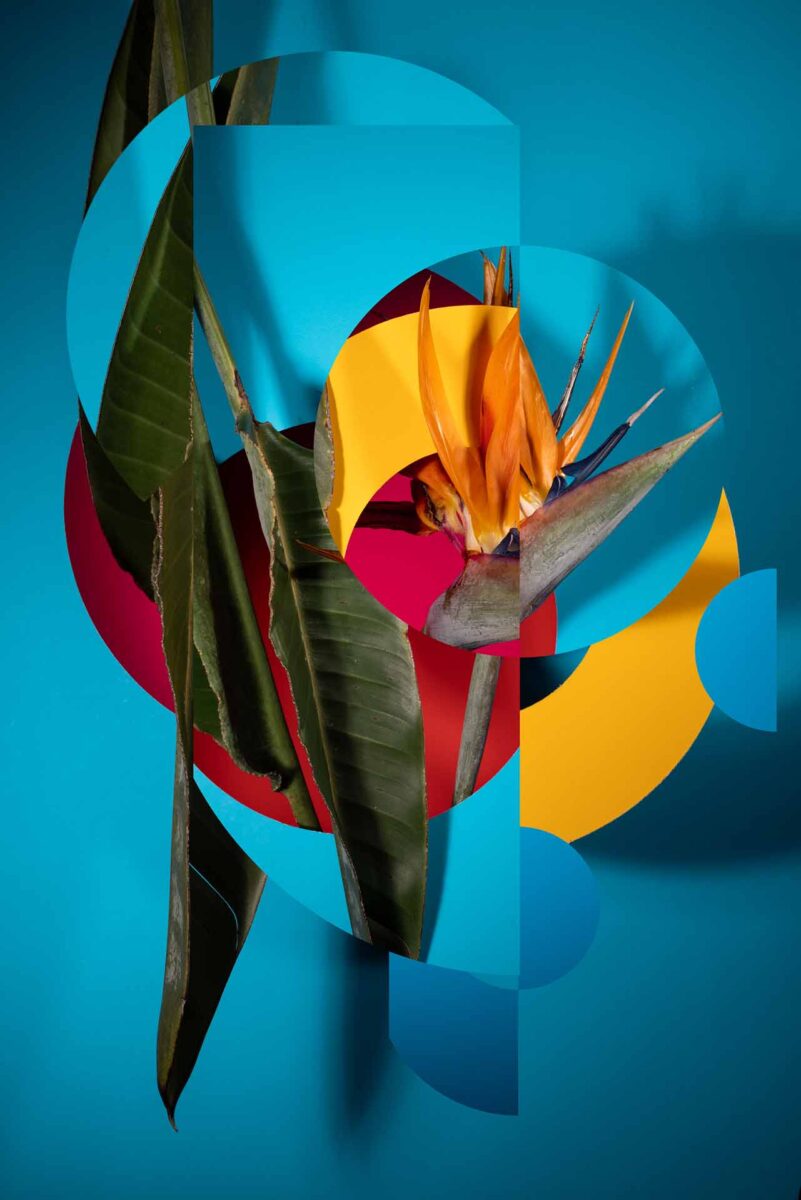
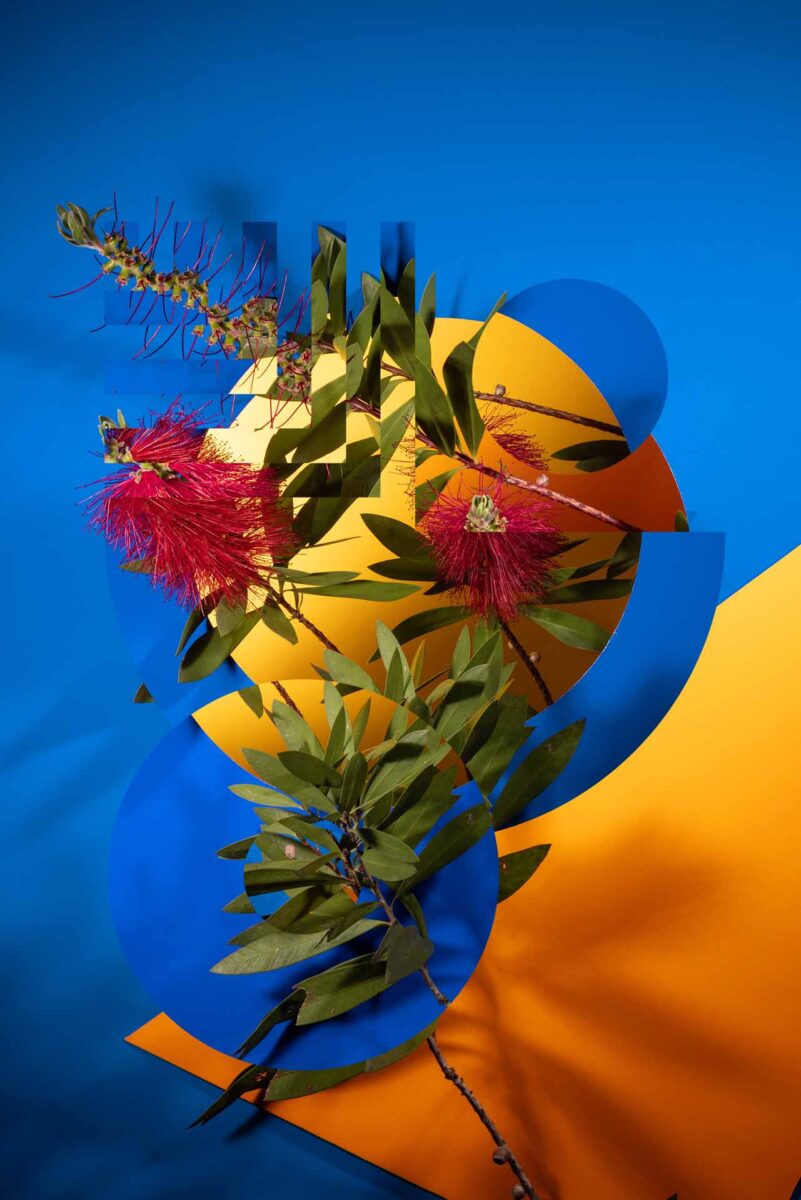
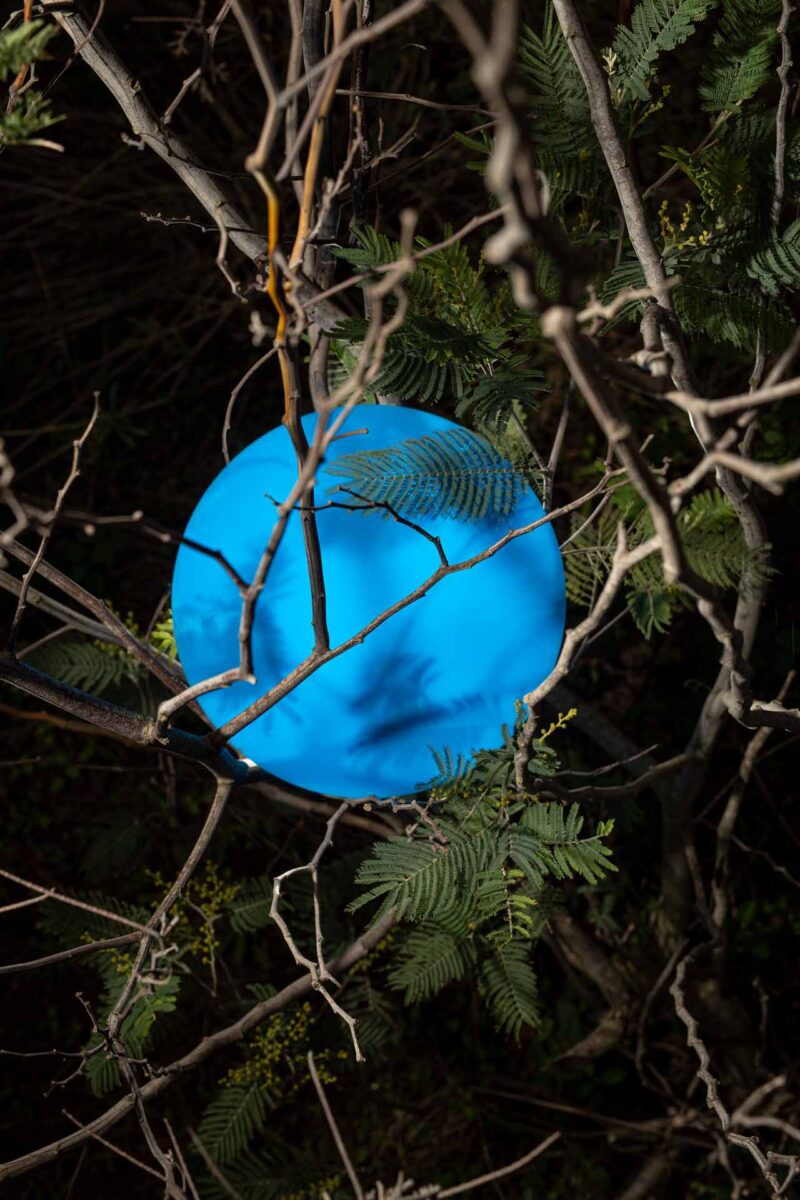
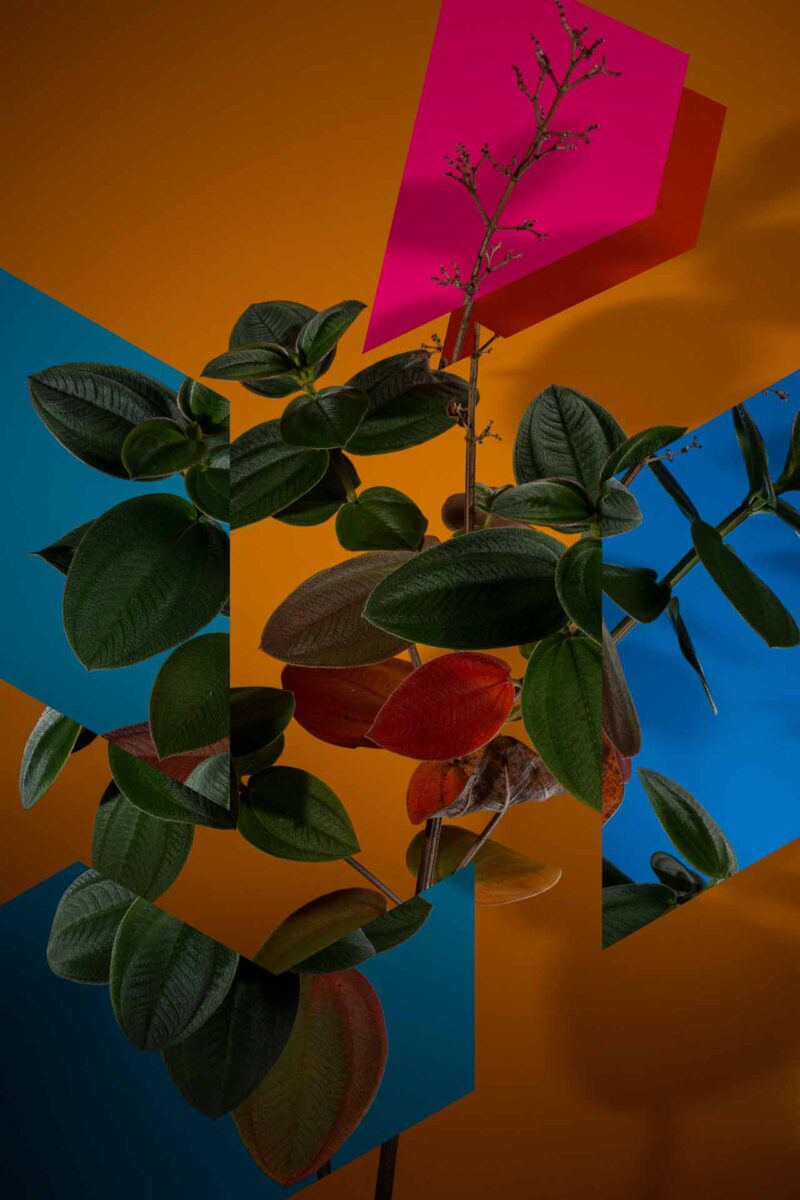
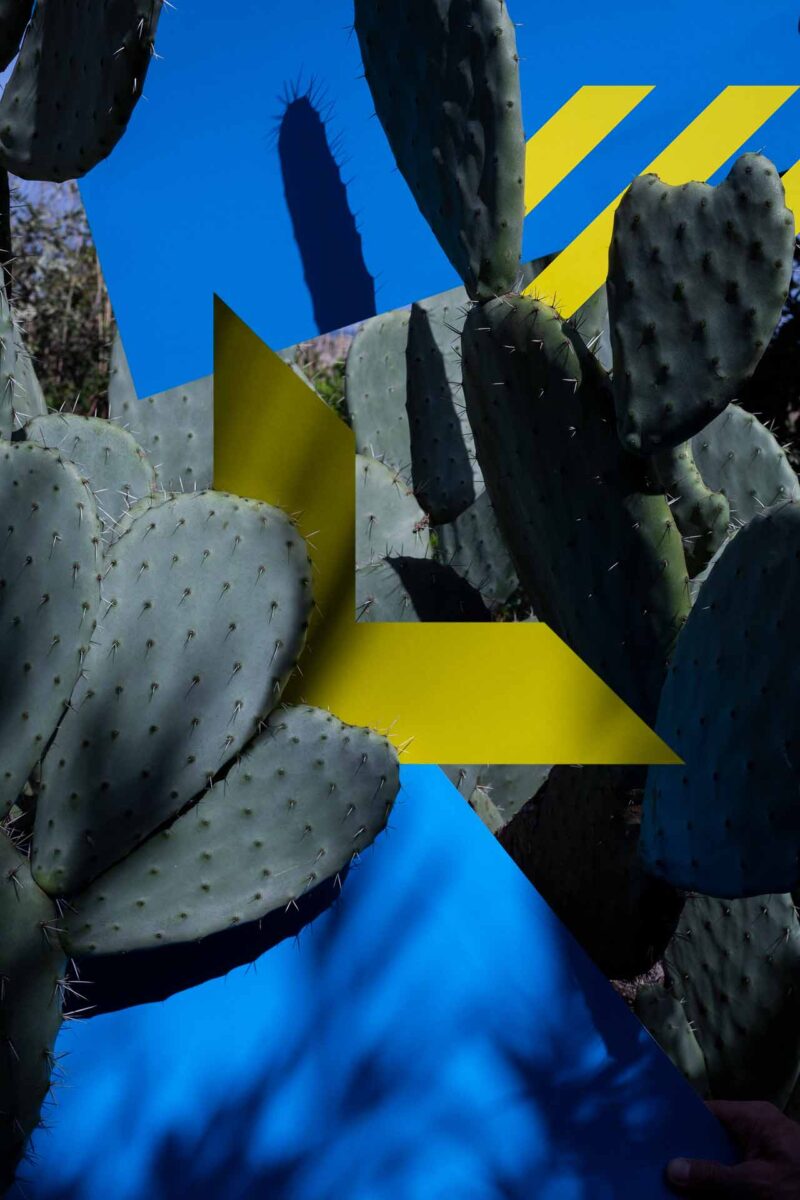
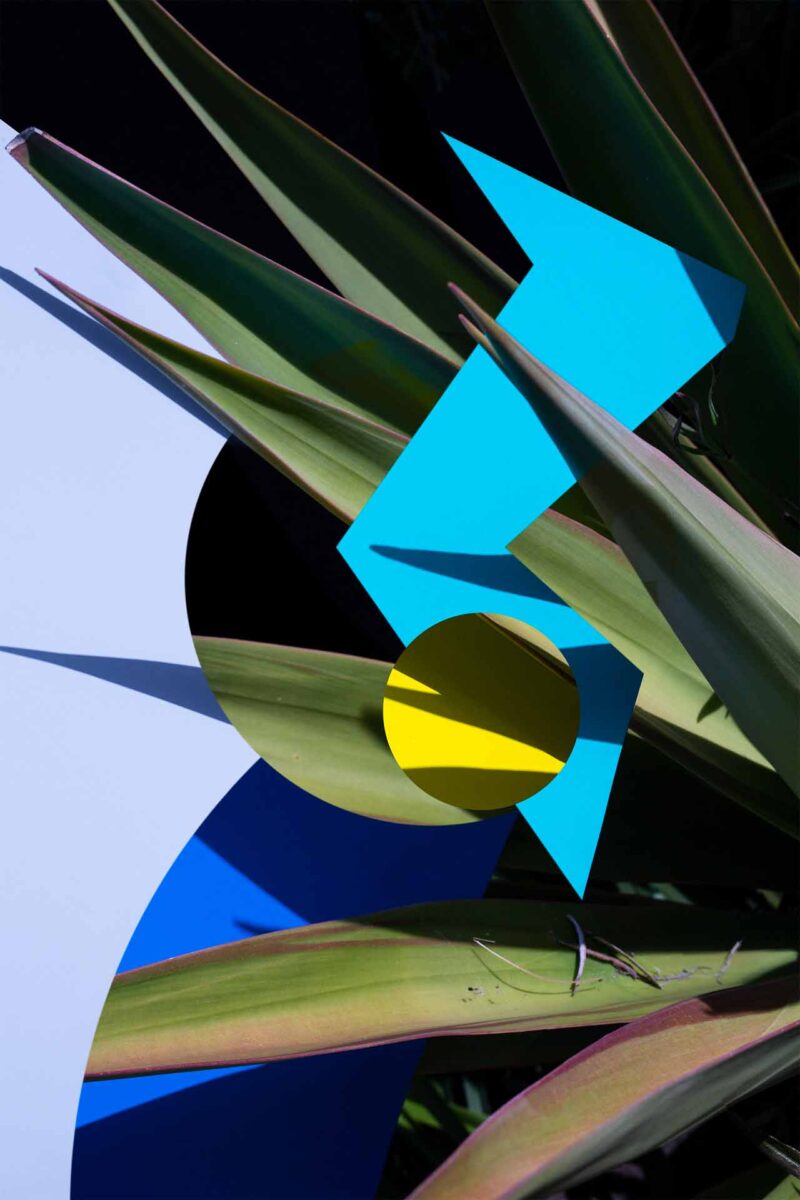
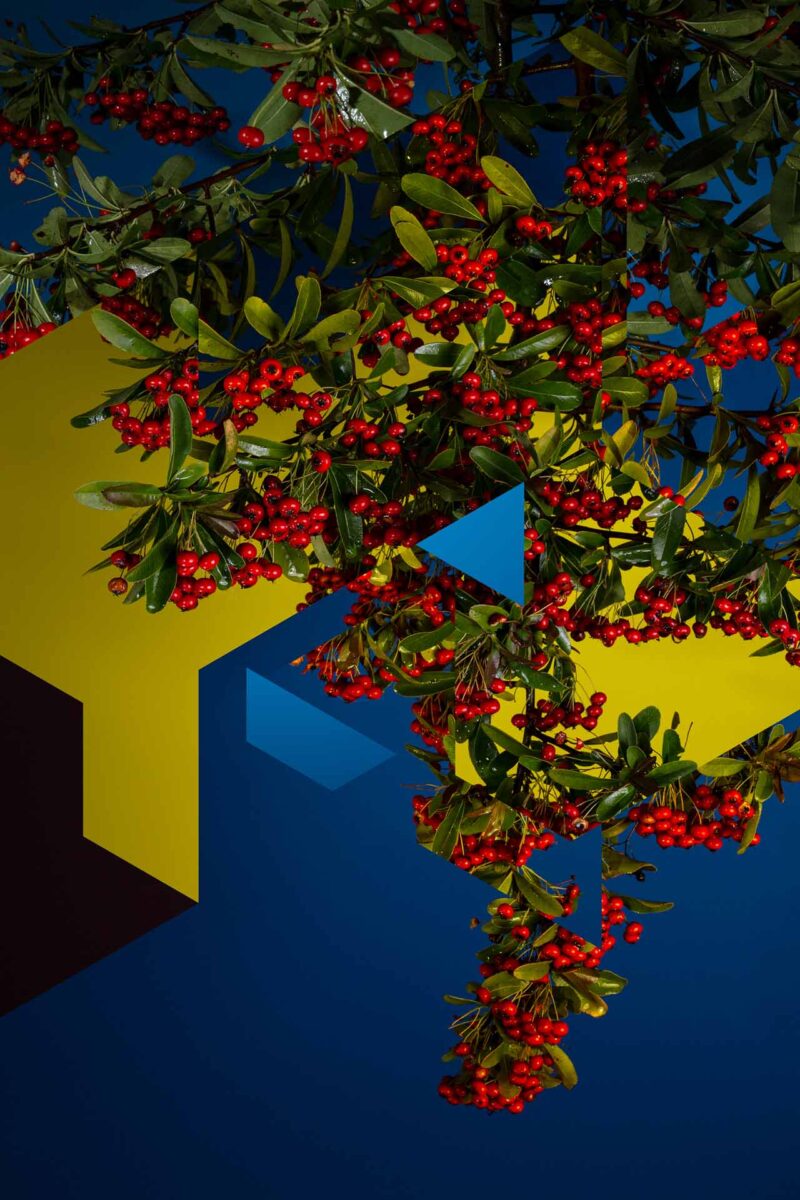

Image Credits:
- Daniel Rose, Bougainvillea, (2024). Image courtesy of the artist.
- Daniel Rose, Strelitziacube, (2024). Image courtesy of the artist.
- Daniel Rose, Pfeifenputzer, (2024). Image courtesy of the artist.
- Daniel Rose, Blauer Punkt, (2023). Image courtesy of the artist.
- Daniel Rose, Fragmentare #01, (2023). Image courtesy of the artist.
- Daniel Rose, Kaktuuus, (2021). Image courtesy of the artist.
- Daniel Rose, Fashpoint , (2021). Image courtesy of the artist.
- Daniel Rose, Sorbus aucuparia, (2021). Image courtesy of the artist.
- Daniel Rose, Strelitzia #03, (2021). Image courtesy of the artist.
The post Graphic Playtime appeared first on Aesthetica Magazine.


