

Counterpublic reimagines the possibilities of public art and believes that it should be an accessible part of everyday life. The St Louis, Missouri-based non-profit stands at the forefront of civic-minded initiatives that inform its Triennial, one of the largest public art exhibitions in the United States, and extends beyond programming to have a lasting impact on the city and community going forward.
Seeking to engage new audiences and share their incredible work during a key moment in the art world, Counterpublic will kick off New York art week with a party celebrating the next triennial artists and curators including Stefanie Hessler, Jordan Carter, Raphael Fonseca, Nora N. Khan and Wanda Nanibush. They also have an exciting inaugural partnership with Frieze New York and will present a new commission and performance by the Oglála Lakȟóta artist Kite at The Shed. The work offers a glimpse into the upcoming triennial, where it will grow into a long-term permanent installation. It was developed through workshops led by the artist where participants’ dreams were interpreted into a geometric language based on linguist Sadie Red Wing’s Lakȟóta shape system. Wíhaŋyablapi (of St. Louis) (2026) will run 13 May and 14 May at 1pm each day, unfolding across multiple locations within the fair.
Kite, Opening, opening, opening, opening, opening, opening, opening, opening, opening, 2025 Courtesy of the artist and Counterpublic
The Counterpublic triennial’s third edition, Coyote Time, aptly speaks to the current social, political, ecological and technological complexities we face. The title derives from the artist Alice Bucknell’s commission exploring the moment in a video game when a character leaps off a cliff and is suspended in midair. Traversing the unknown is innately human and this theme will run throughout the new commissions and historical reinterpretations by nearly 50 artists across St Louis from 12 September to 12 December.
The participating artists, duos and collectives bring diverse perspectives to the exhibition that question civic structures, migration, identity and technology throughout five main sites. Beyond a symbolic gesture, Coyote Time presents responsive new works of significant ambition and visionary scale that advance models for action on issues of immigration, climate and education. Each work engages both local and international considerations, reflecting Counterpublic’s dedication to representation in public space.
The International Institute of St Louis is a critical resource for newly arrived immigrants and will be home to artist-led projects by Petrit Halilaj, Inès Kivimäki and Rirkrit Tiravanija, among others. Extending the Institute’s century-long role as a place of connection and inclusion, the pieces engage the escalating global debates around migration with defiant celebratory visions of belonging. A multi-year fellowship was introduced last autumn and will run through the end of this year to ensure continuity of the Institute’s essential programmes for newly arrived Americans.
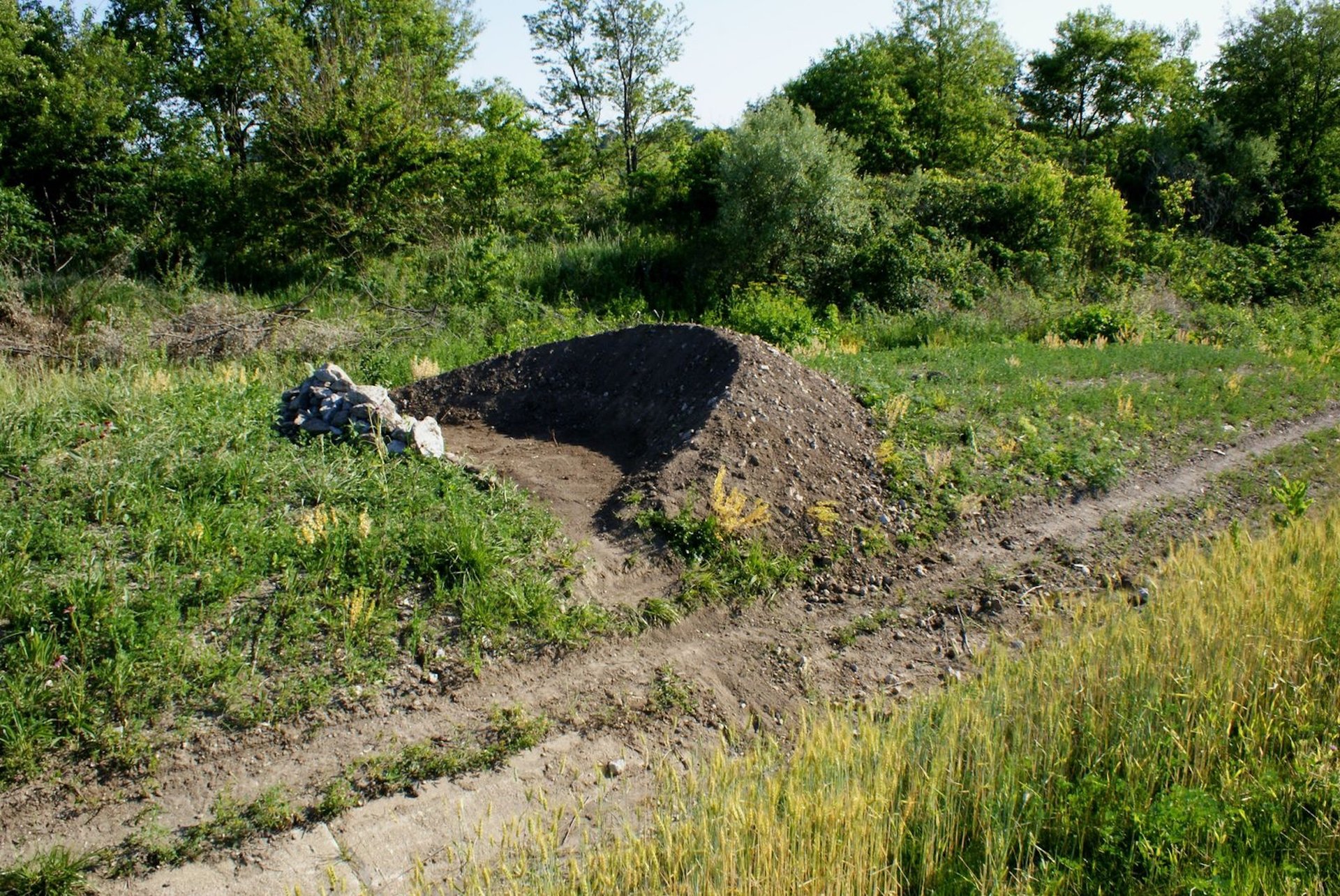
Chris Carl, Moon, 2012. Monticello, Illinois Heartland Pathways Courtesy of the artist and Counterpublic
The Ville, located in North St Louis and one of the city’s most significant Black neighbourhoods, was devastated by a tornado in 2025. The triennial will situate projects engaging the area’s historic Sumner High School, whose renowned alumni include Tina Turner, Arthur Ashe, Dick Gregory and Grace Bumbry. The artist Timmy Simonds will commemorate a nearby school, Stowe Teacher’s College, alongside works at surrounding lots, churches and community centres by the St Louis artists Dail Chambers and the People’s Art and Recreation Center, Tony Cokes, Margaret Honda and others.
The National Building Arts Center, an emerging arts institution housed within a decommissioned steel foundry and NON STNDRD will serve as sites for large-scale climate-focused commissions addressing the former Monsanto company town that they exist upon. Chris Carl and Carolina Caycedo will engage the legacy of environmental contamination and the global climate crisis through works probing the limits of climate regeneration, testing long-term remediation strategies, and counter ecologies.
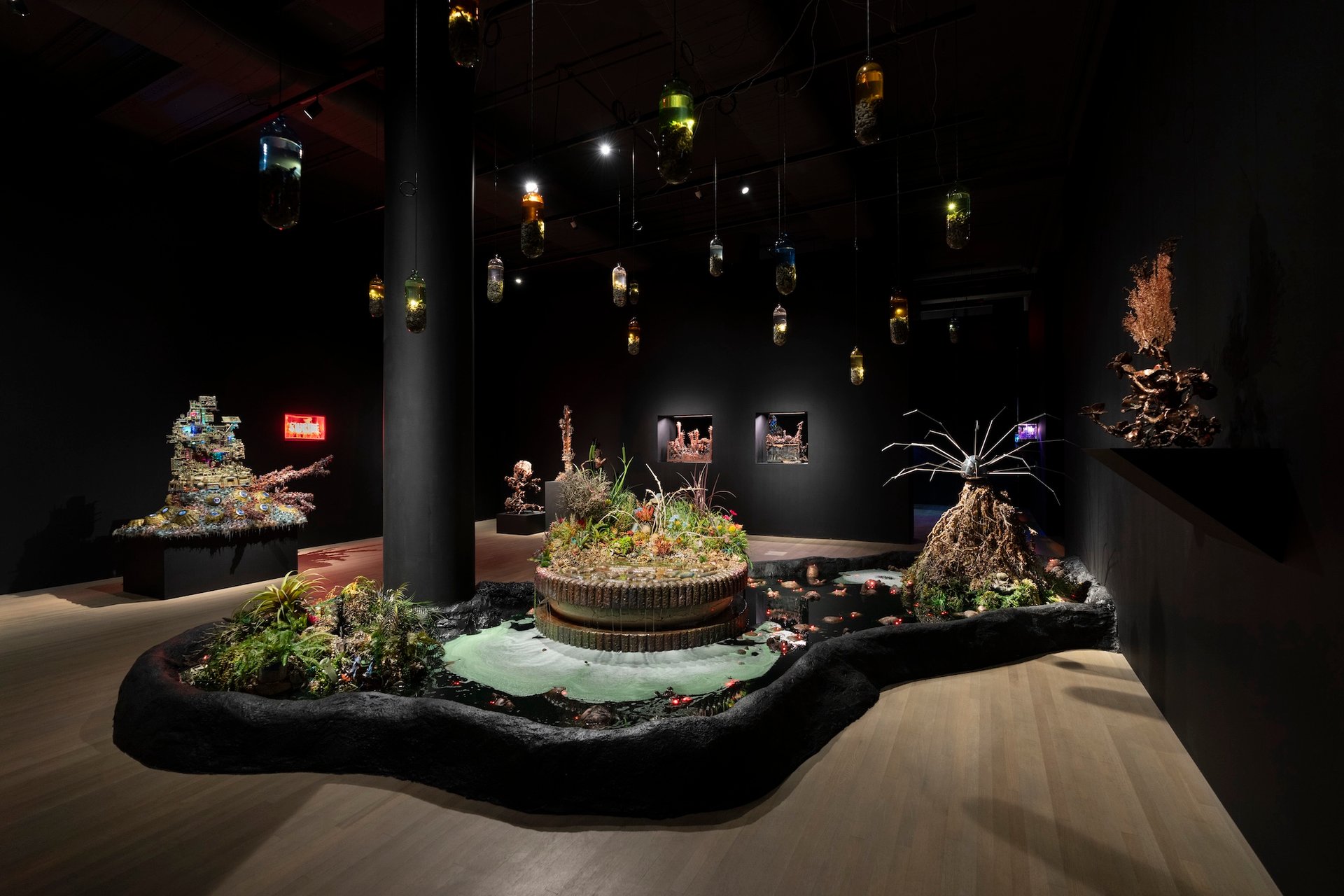
Max Hooper Schneider, installation view, Max Hooper Schneider, Scavenger, 2025 Courtesy of the artist, 125 Newbury Gallery, New York, and Counterpublic
Along the Mississippi riverfront there will be more than a dozen site-responsive works connecting the city to the river and histories of labour and industry. The artists Glenn Ligon and Rebecca Belmore will present pieces along waterfront pathways, and a former public aquarium will be activated by Max Hooper Schneider. Alongside and through these commissions, Counterpublic emphasises low-carbon production practices and climate accountability. At the close of the exhibition, a climate impact report will be released including a greenhouse gas inventory and an overview of learnings from mitigation and adaptation strategies. Counterpublic sees this document as a tangible way to show the possibility of sustainable change across the global art world.
- Counterpublic 2026: Coyote Time, 12 September-12 December, various locations, St Louis, Missouri
- Kite: Wíhaŋyablapi (of St. Louis), 13 May and 14 May, 1pm, The Shed, Frieze New York


