

One of the key proponents of Postmodernism—the irreverent movement that emerged around 1970, shattering established notions about art and design—was Charles Jencks, the late architectural historian whose ideas are embodied in the Cosmic House in London, dubbed “the spiritual home of Postmodern design”. The house also hosts exhibitions, the latest of which is a site-specific commission by the artist and musician Lina Lapelyté (until 19 December). To help us delve deeper into Postmodernism, the Cosmic House director Eszter Steierhoffer has chosen the following five key books on subject.
The Language of Post-Modern Architecture (1977) by Charles Jencks
“With this book, Charles Jencks declared the death of Modern architecture. Over seven subsequent editions, he kept refining his theory of the Postmodern. It became one of the most circulated and influential architectural books of all time: an international reference that marked the emergence of the age of globalisation as well as the coinciding philosophical and political shifts of poststructuralism.”
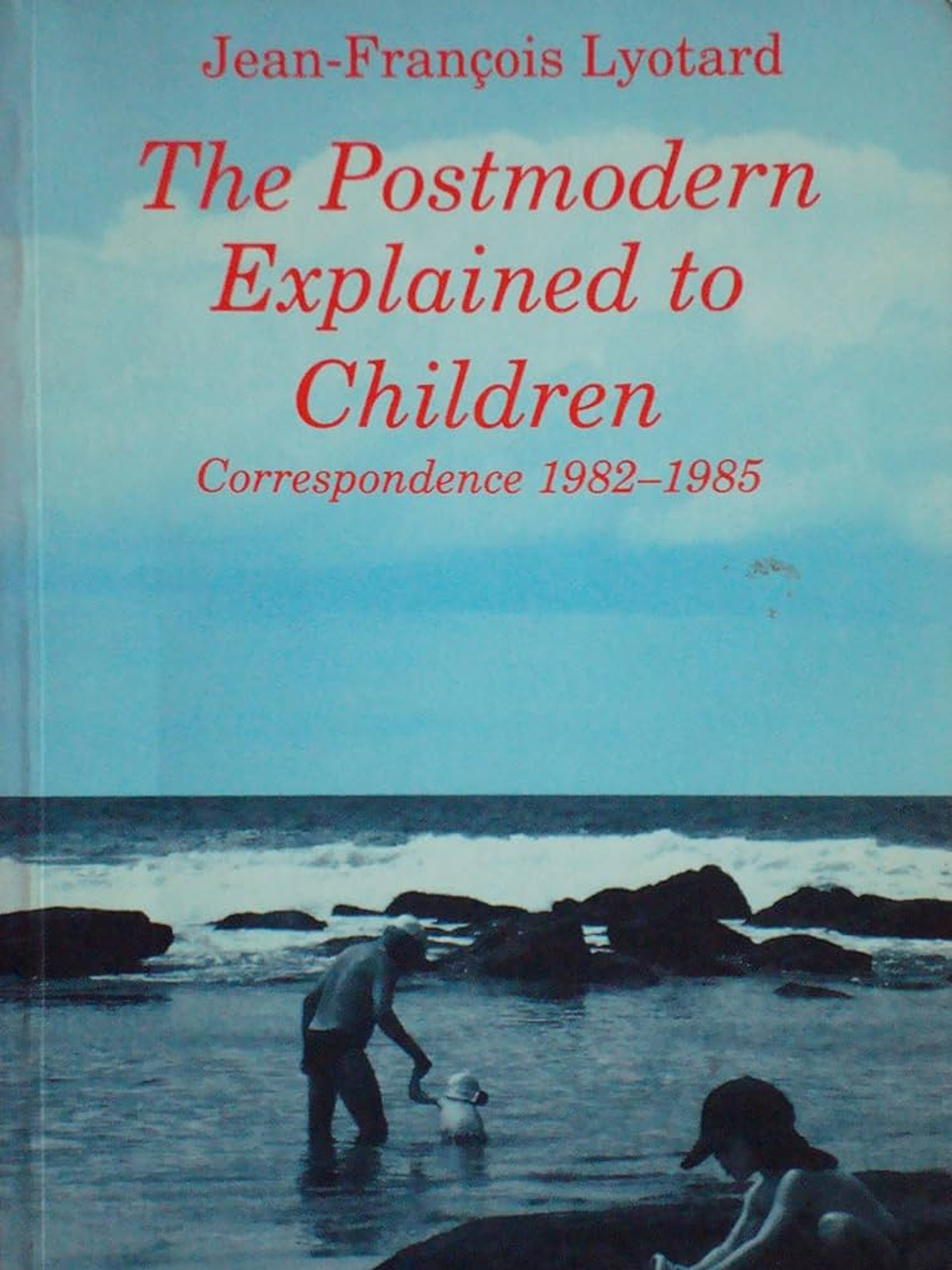
The Postmodern Explained to Children: Correspondence 1982-85 (1992) by Jean-Francois Lyotard
“This is the pint-sized companion to Jean-Francois Lyotard’s more complex work The Postmodern Condition (1979). It clarifies Postmodernism for those unfamiliar with philosophical jargon. Defining it as a new sceptical framework that questions overarching meta-narratives of modernity such as progress and universal truths, the book emphasises the importance of local contexts and the multiplicity of meaning.”
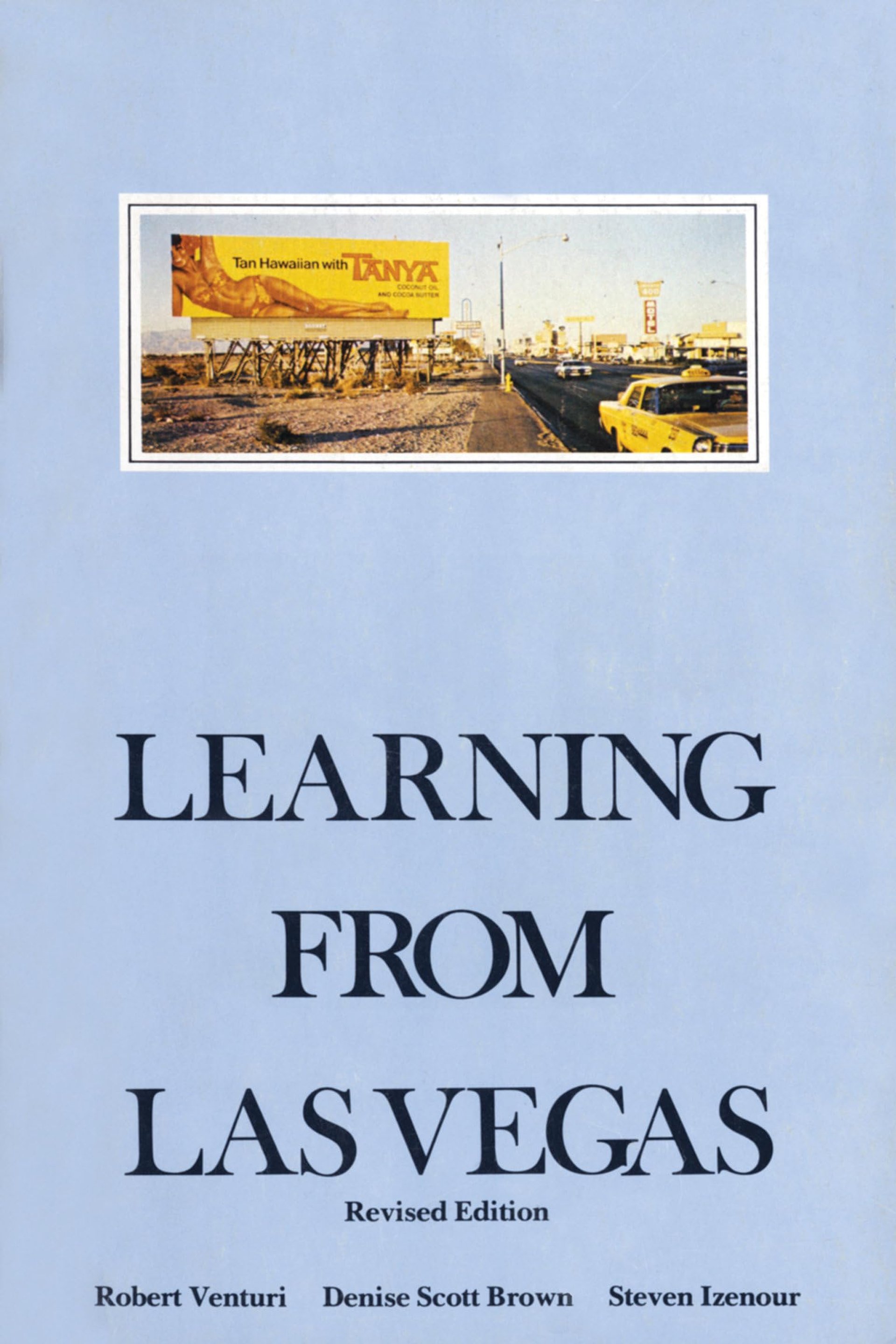
Learning from Las Vegas: The Forgotten Symbolism of Architectural Form (1976) by Robert Venturi, Denise Scott Brown and Steven Izenour
“This book challenges Modernist architecture’s rejection of ornament and symbolism. It suggests that architects should welcome inspiration from expressions of popular culture such as the vernacular and commercial landscape of Las Vegas. The book looks at the exuberant signs, symbolism and spectacle of the neon-washed city with fresh eyes and urges architects to learn from the ways it communicates with the public.”
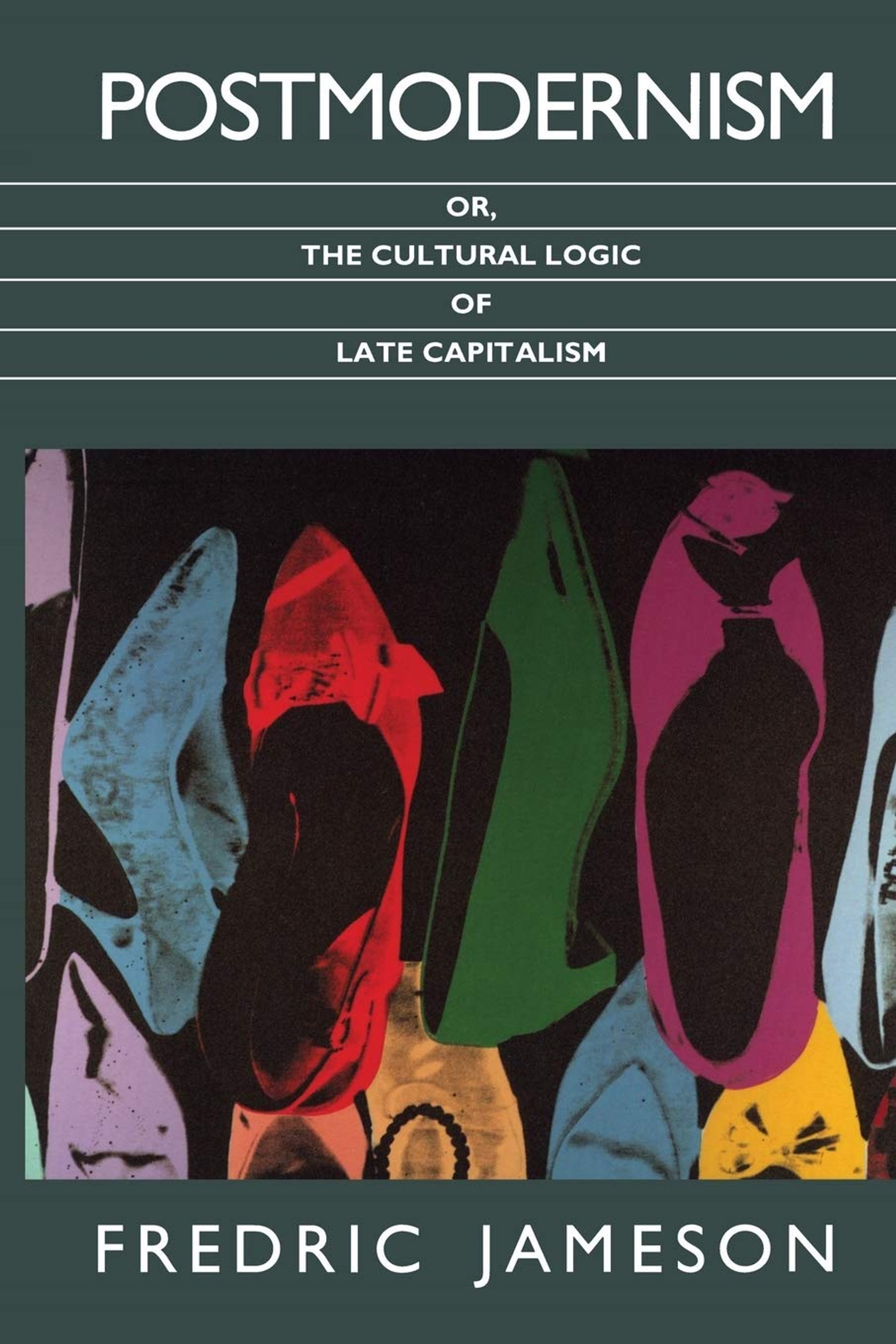
Postmodernism, or the Cultural Logic of Late-Capitalism (1991) by Fredric Jameson
“Fredric Jameson’s text describes the Postmodernist condition as the ultimate expression of a global and consumer-driven late-capitalist society. In his view, Postmodern art and culture become inseparable from everyday life and commerce. Postmodernism is theorised not as a style but as an overarching cultural logic that shapes all aspects of contemporary life.”
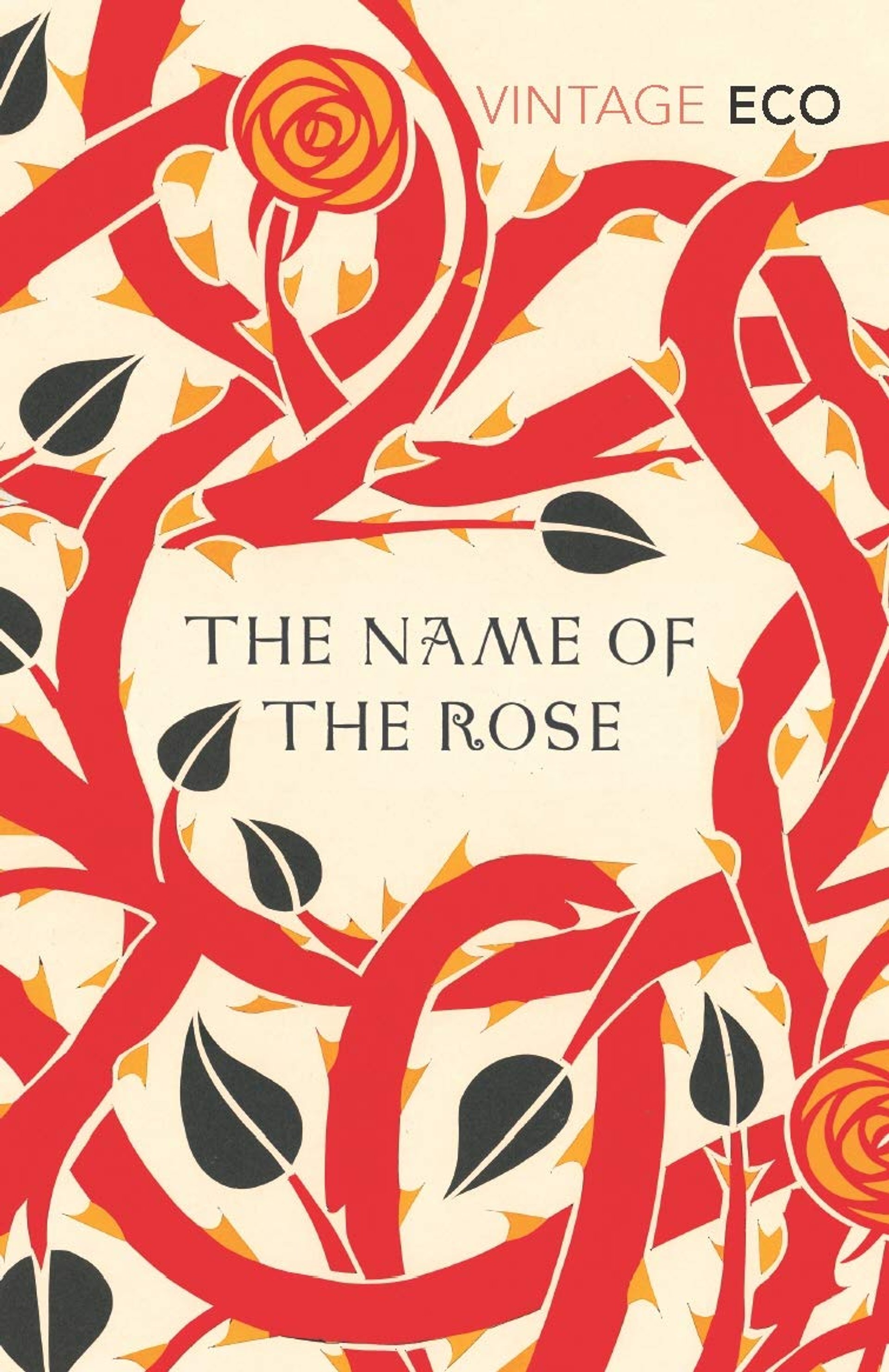
The Name of the Rose (1980) by Umberto Eco
“Written in the same year as the first Architecture Biennale in Venice, which announced the advent of Postmodernism in architecture, Umberto Eco’s novel is regarded as one of the most important examples of Postmodern literature. It is a story about storytelling itself, blurring fact and fiction, memory with history and imagination, and underlining the fragmentary nature of truth. Architecture plays an important role in the novel, in which the spatial organisation of the monastery becomes synonymous and illustrative of medieval power, reflecting how institutions control knowledge.”


