

In 1912, André Breton published his Surrealist Manifesto. The work described Surrealism as “pure psychic automatism, by which one proposes to express, either verbally, in writing, or by any other manner, the real functioning of thought. Dictation of thought in the absence of all control exercised by reason, outside of all aesthetic and moral preoccupation.” It was a statement that came to define a moment that, one hundred years later, continues to play a defining role in contemporary art. To consider Surrealism is to conjure up names like Breton, Salvador Salí or René Magritte, but many female artists pushed the artform forward in ways that have long been overlooked. VISU Contemporary, in Miami Beach, presents My Silence is Made of Explosions, a group exhibition of contemporary women artists who extends Surrealism into the psychological, political and aesthetic urgencies of the present moment.
The show features 28 works by Aïda Muluneh, Dora Maar, Elena Dorfman, Jen DeNike, Patricia Voulgaris, Pixy Liao, Tania Franco Klein, Zanele Muholi and two collaborative works by Jen DeNike and Barbara von Portatius. Curator David Raymond says: “Surrealism was never about escape. It was about confrontation – about accessing truths that rational systems cannot contain. These artists demonstrate that Surrealism remains one of the most effective tools we have for engaging with contemporary life. What looks factual becomes fictional; what appears staged feels emotionally precise. The result is work that feels both deeply personal and politically resonant – images that linger because they refuse to explain themselves.”
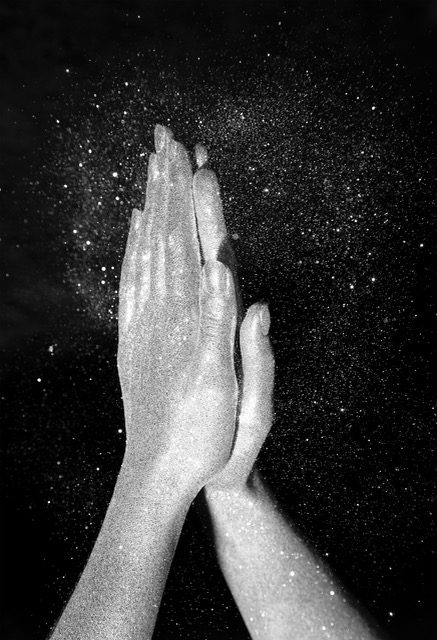

My Silence is Made of Explosions rejects fixed narratives in favour of images that are unresolved, intimate and psychologically charged. Here, photography is not associated with truth, as has historically been the case, instead becoming a site of deliberate destabilisation. This concept has always been central to Surrealism, but in an era where AI-generated content has prompted people to question everything they see, it has never been more relevant. Patricia Voulgaris examines these questions from a fascinating perspective: ghost stories. Her work occupies a liminal space, challenging our societal desire to find an objective or absolute truth. The daughter of a paranormal investigator, her works veer into the uncanny to reveal something that slips between fantasy and reality. She often journeys with her father to ghost hunting spots. In an interview with Walker Magazine, she explained: “When you come home and look at the images, something shifts. The descriptions slips away, and your mind starts to play tricks. You have to separate yourself from the location and its history, but when you return to the images later, everything comes rushing back. You start asking: what is that in the photo? Could it be haunted?”
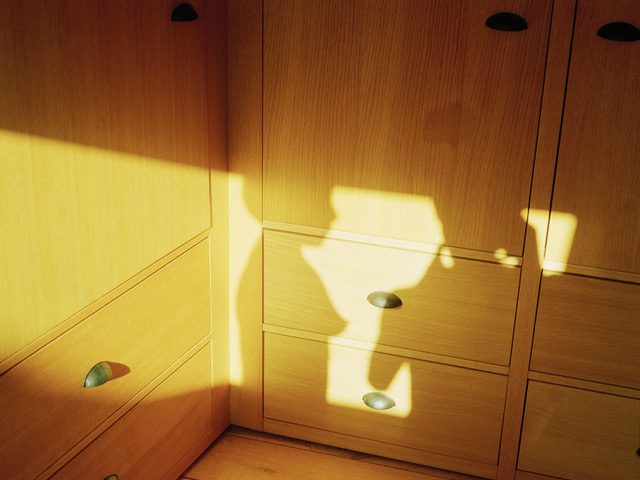
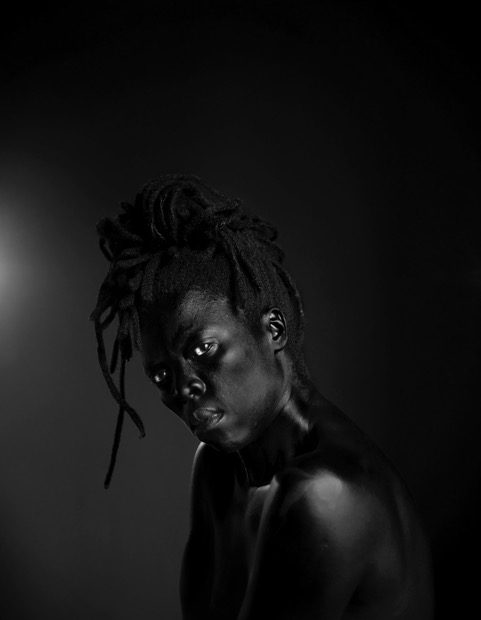
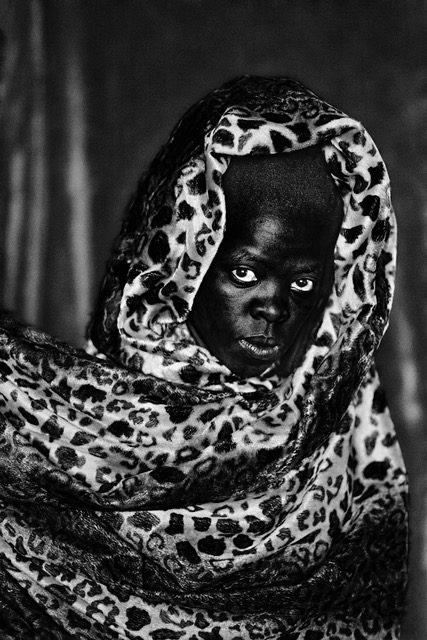
Elsewhere, Pixy Liao’s irreverent staged photographs make her boyfriend the subject. Experimental Relationship, an ongoing series that was first started in 2006, welcome viewers into their world. The shots are intimate, at times almost to the point of discomfort. They’re also absurd, playful and often funny, turning gender stereotypes on their heads and operating outside of heteronormative conventions. Aïda Muluneh also employs staged works, situating painted figures in surreal settings that draw on African iconography, architecture and textiles. She creates visual narratives that blur the boundaries between photography, painting and performance. Meanwhile, Zanele Muholi’s ongoing series of black-and-white self-portraits harness the visual languages of classical portraiture and fashion, as well as ethnographic tropes, to challenge stereotypes and historic representations of Black bodies in visual culture.
Dora Maar’s inclusion brings attentions back to the movement’s origins. The artist photography and photomontages explores surrealist themes such as eroticism, sleep, the unconscious and the relationship between art and reality. Her work pioneered the idea that photography does not need to be a factual record, creating scenes that disorientate the viewer. Cropped frames, dramatic angles, unexpected juxtapositions and extreme close-ups are all hallmarks of her work. For many decades, Maar was largely remembered as the muse for The Weeping Woman in Picasso’s famous painting, but in recent years, her place in the canon has rightfully come to light. Exhibitions like My Silence is Made of Explosions play an important role in recognising her influence on both the movement and the generations that followed.
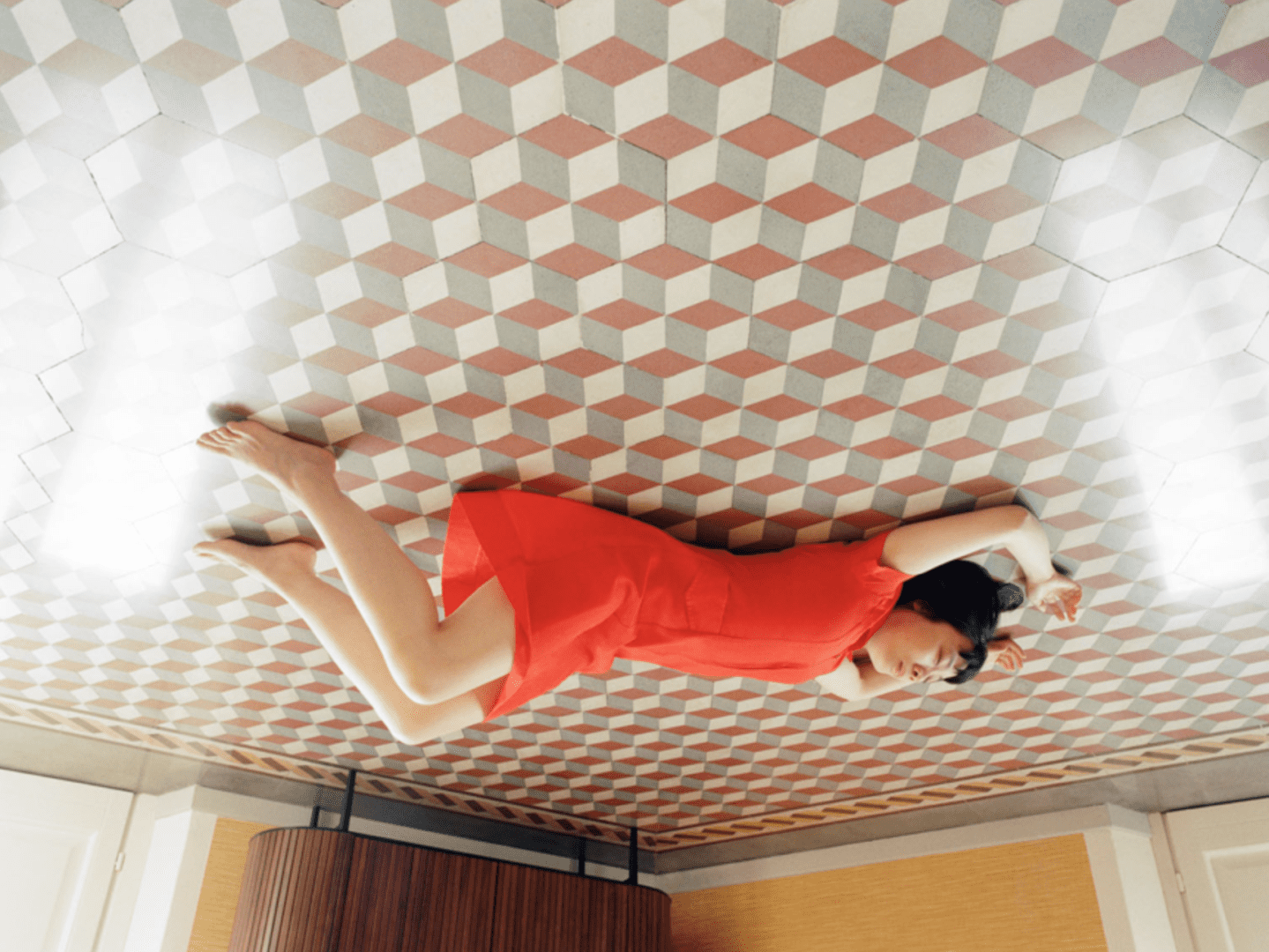
More than a century after the publication of Manifesto of Surrealism, the movement’s insistence on ambiguity, subconscious experience and instability feels newly urgent. Today, we’re constantly confronted by image saturation, technological uncertainty and political volatility, and the artists featured in My Silence is Made of Explosions address these topics with unflinching honesty. Each of the women featured are decisive voices shaping Surrealism’s contemporary evolution – as vital today as it was in 1924.
My Silence Is Made of Explosions is at VISU Contemporary, Miami Beach until 31 May: visugallery.com
Words: Emma Jacob
Image Credits:
1. Aïda Muluneh, Ye Buda Eyne, 2017. Archival pigment print, 31.5 x 31.5 in. Edition of 7. Courtesy of the artist and David Krut Gallery, New York.
2. Tania Franco Klein, Positive Disintegration (Self-Portrait), from Positive Disintegration, 2016. Archival pigment print, 28¼ x 42¼ in. © Tania Franco Klein. Courtesy of the artist and Yancey Richardson.
3. Patricia Voulgaris, Magic Hands, 2023. 20 x 30 in. Edition of 10. Courtesy of the artist.
4. Patricia Voulgaris, Spoons, 2021. 20 x 30 in. Edition of 10. Courtesy of the artist.
5. Pixy Liao, Shadows on the Wardrobe, 2020. Digital C-print, 15 x 20 in. Courtesy of the artist and Alisan Fine Arts, New York.
6. Zanele Muholi, Bakhululekile, Bloemfontein, 2019. Gelatin silver print, 23⅝ x 18¼ in. Edition 5 of 8. © Zanele Muholi. Courtesy of the artist and Yancey Richardson, New York.
7. Zanele Muholi, Thabile, Parktown, 2015. Gelatin silver print, 39½ x 26¼ in. Edition 3 of 8. © Zanele Muholi. Courtesy of the artist and Yancey Richardson, New York.
8. Pixy Liao, Day Dreaming, 2022. Digital C-print, 15 x 20 in. Courtesy of the artist and Alisan Fine Arts.


