

Riding a bike. Singing. Going to a football match. These are everyday activities for most people, but not for Iranian women. Instead, they are part of a wealth of experiences that have been restricted for women and girls since the 1979 Revolution. In the decades before the Revolution, the women’s movement in Iran had made important strides. The right to vote and to take their rightful place in various contexts was improved, and more and more doors opened in society. But since, a series of laws once again limited women’s rights in the public arena and laid the foundations for a gender-segregated reality. Creative duo Atoosa Farahmand and Oscar Hagberg depict the lives of women and girls in Iran, marked by oppression but also strength, resistance and a refusal to be silenced. Their work takes on new relevance following US-Israel strikes on 28 February, alongside recent protests in the region. Aesthetica spoke to Farahmand and Hagberg about their latest exhibition, Not a Typical Persian Girl, which is currently on display at Fotografiska Stockholm.
A: Tell us about how you first began working together?
AF & OH: Our collaboration began after a trip to Athens, where we visited exhibitions and spent time experiencing art together. It was during this time that we began talking about creating a work together. This moment coincided with the emergence of the White Wednesdays movement in Iran, in which women wore white headscarves as an act of protest against the compulsory hijab. Around the same period, on December 27, 2017, Vida Movahed stood on a utility box in Tehran, tied her headscarf to a stick, and waved it like a flag. The image quickly became a symbol of resistance against the regime and its gender apartheid laws. Moved by these events, we felt an urgency to create something that could reflect the resilience of women in Iran and bring greater visibility to this ongoing struggle. Upon returning from Athens, we began developing ideas, and in February 2018 we produced our first collaborative work through film and photography. We found a shared visual language, where our ideas met and took shape. We work non-hierarchically, both present in front of and behind the camera. As a duo, we unite different perspectives: Atoosa is an artist in exile, who lives under threat from the regime in Iran, whilst Oscar has roots in the countryside of Skåne, the southern-most county of Sweden. Together, these experiences create a shared perspective that characterises our work.
A: What does the title Not a Typical Persian Girl mean to you?
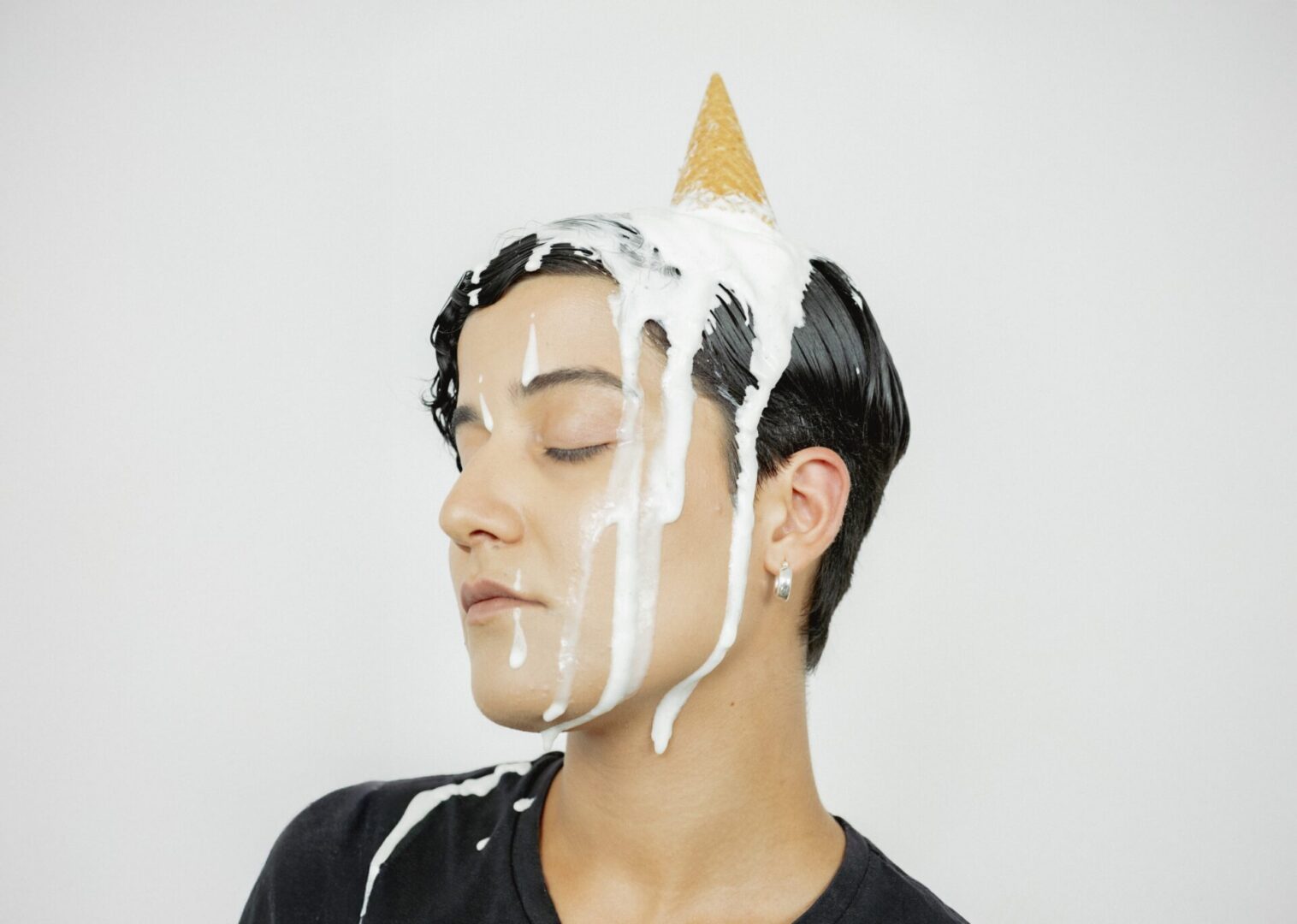
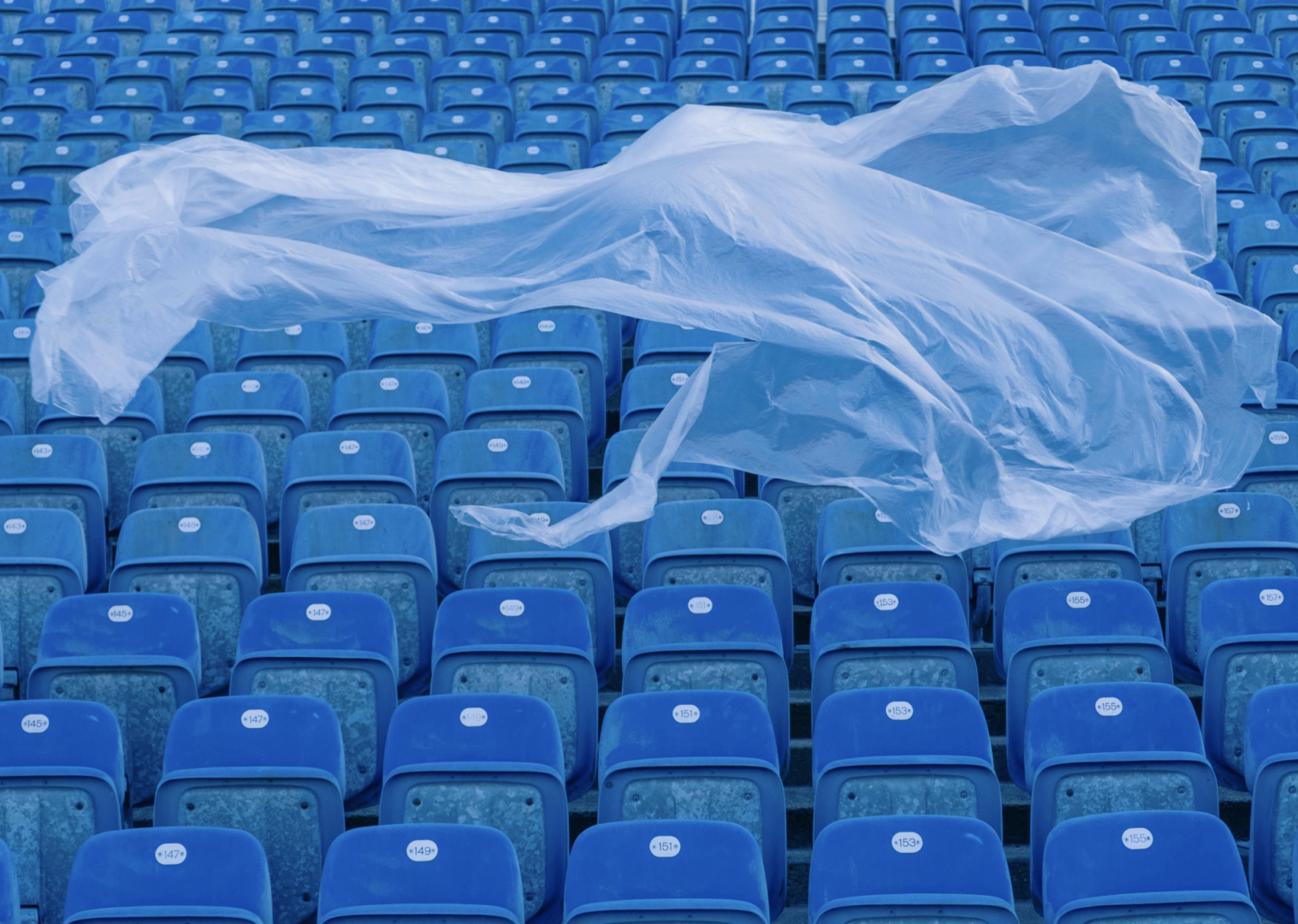
AF & OH: Not a Typical Persian Girl captures the irony of being “non-typical” in a society where the “typical” is defined by an oppressive regime. The so-called “non-typical” girl is, in fact, an ordinary woman who, in her everyday life, is constantly forced to take risks in order to claim her right to freedom. For 47 years, the authorities have attempted to shape women and girls into a mold that aligns with its ideology and political agenda. Not a Typical Persian Girl seeks to reveal the realities faced by women and girls in Iran, by highlighting some of the things forbidden to them – activities such as boxing, dancing, singing, and even watching football in a stadium, which elsewhere are considered simple pleasures. At the same time, the exhibition sheds light on the humour, resilience and vibrant spirit with which Persian women and girls confront these restrictions. The videos and photographs follow a young woman who symbolises those living under the Islamic Republic of Iran. Although political power continues to suppress women’s voices, a new generation is pushing back and taking a leading role in protests. Many Iranians living prefer to identify as “Persian’.’ This can be a way to connect with ancient history, avoid political associations with the 1979 Revolution, or make their identity more recognisable to the rest of the world.
A: You draw on women’s history in Iran from 1850 to the present. How do you distil such a vast and complex history into images?
AF & OH: The focus of our exhibition is to symbolically portray girls and women in Iran who resist the constraints imposed by the Islamic Republic over the past 47 years. Despite the risks and consequences they face, they continue to fight for their rights. To understand the present, it is essential to know the history of Iran. We conducted extensive research on women’s history from 1850 to the present, in order to better grasp how we arrived at today’s reality. This research is presented in a publication that accompanies the exhibition. It brings together a broad historical overview, while also offering a deeper look into women’s resistance movements across Iran’s more recent past. Women have often been excluded from official narratives, and much of what is recorded has been shaped from a male gaze. Through Not a Typical Persian Girl, our aim is not only to highlight the complexity of women’s lives in Iran, but also to connect their struggles to those of women around the world. In creating this project, we have reflected on our own past and present, motherhood, and how the women in our lives have shaped who we are today. Our mothers, their mothers and the generations before them have all fought for their rights, for our rights and for the rights of others. Their resilience and courage inspired us to create a project that honours women’s lives and stories, while also acknowledging how these narratives are still ongoing.
A: Your practice moves between photography, performance and installation. What does each medium allow you to articulate that the others cannot?
AF & OH: Our practice moves across photography, performance, research and installation because we are searching for the most effective ways to reflect women’s voices and experiences. Together, these approaches allow us to explore complex realities from multiple angles, capturing both personal stories and the broader context of resistance. At Fotografiska, we wanted to create a work that responded to the space and the presence of the audience, which is why the final piece was performed live at the opening. It began with a series of black-and-white photographs, into which a charged gesture was introduced using red lipstick, gradually transforming the images in the room. Through the interplay of image, and movement, the work unfolded in real time. Visitors were invited to follow the process on site, supported by projections that showed the performance live. Women’s rights are about leaving traces for the next generation, and in this work, lipstick becomes a symbol of that lasting impact that connects past, present and future.
A: The exhibition comes at a time of war in Iran, as well as ongoing protest and state violence, with many people risking – and losing – their lives. How has this reality shaped the exhibition?
AF & OH: Our work is shaped by the daily realities of women in Iran, who navigate life under constant repression and risk for decades. For them, this is not a temporary crisis but a lived reality under the Islamic Republic of Iran for decades, where even everyday choices can carry danger. Recent nationwide protests, 2026 Iran massacres in January, met with severe crackdowns, underscore how risky it can be to speak out or simply be present in public, yet they also reveal courage and resilience. The exhibition reflects a continuous, personal struggle for freedom and autonomy. It is shaped by both repression and resistance, highlighting not only the violence women face but also the persistence with which they confront it.
A: Images of Iran circulate constantly in news and social media. What role does slower, more considered artistic work play in shaping representation?
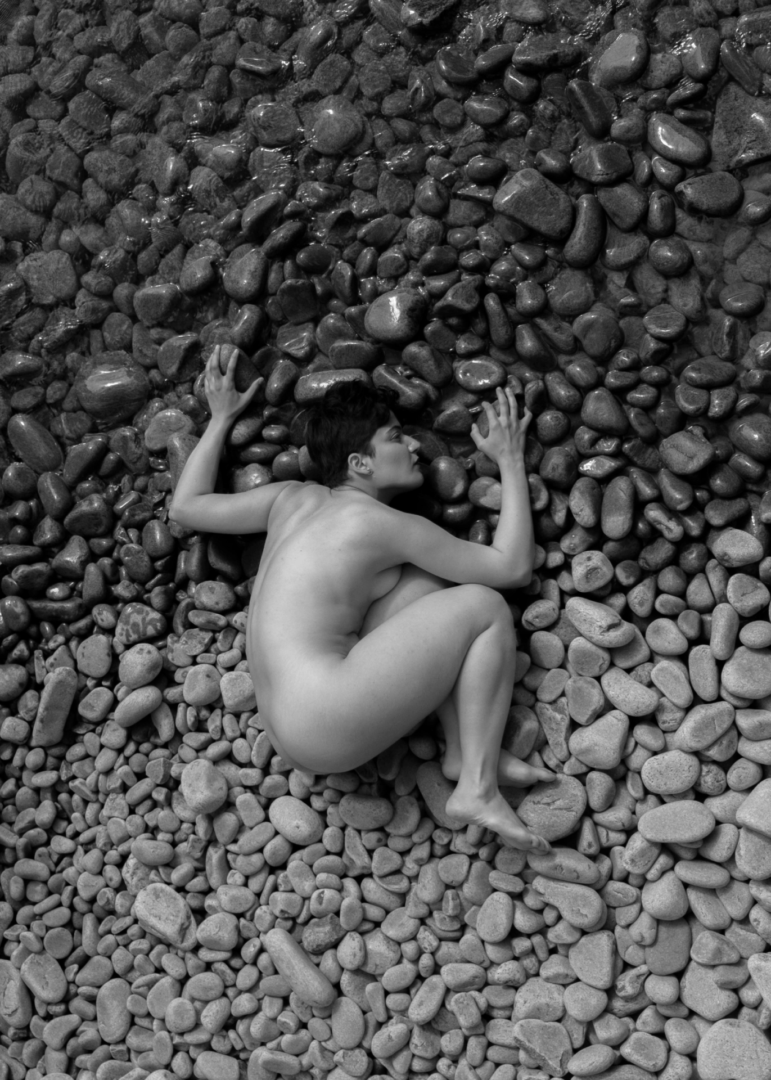
AF & OH: News and social media circulate images quickly, often focusing on selected dramatic or shocking moments, but they don’t always allow space for reflection, context or deeper understanding. Slower, more considered artistic work offers a way to go beyond headlines and capture feelings, complexities and personal experience. Art can reveal emotional truths, preserve memory and give voice to perspectives that are often unseen in the media. A news photo might show a moment of protest, but an artwork can explore what that means, how it shapes identity, history and resistance over time. Through careful images, artistic work invites viewers to connect more deeply with people’s lives, rather than just reacting to events.
A: What does it mean to represent this work in a European context?
AF & OH: It means creating a space where audiences can connect with women in Iran, whose experiences that are often invisible or misunderstood outside the region. It allows us to show not just the repression women face, but also their courage, creativity and resistance. In Europe, the exhibition can spark dialogue about freedom, equality and human rights while highlighting the universal aspects of women’s resilience. It also presents women and girls as active agents shaping their own lives and histories.
A: Is there a particular image in the exhibition that feels especially significant to you? Why?
AF & OH: The most significant piece for me is the photograph of my mother in the publication that accompanies the exhibition. She is the reason I survived that brutal regime and the person who stood by me, regardless of my past. She supported me when no one else did, and to me, she is the true embodiment of Not a Typical Persian Girl. When I was young, I remember how she refused to follow rules that oppressed women in Iran, even though she faced consequences. For example, she started a taxi company with her friends, despite it being a male-dominated profession and a culturally unacceptable female role. Still, she and her friends persisted, even in the face of hostility and lack of support. My mother, my grandmother, and the women before me have all left traces of their resistance, sometimes visible, sometimes hidden, but always present. Their courage lives on in the choices I make, in the risks I take, and in the voice I refuse to silence. I carry that legacy forward not only as a responsibility, but as a form of remembrance. By continuing their fight, I hope to leave my own trace, one that future generations can continue.
A: What do you hope audiences take away from this exhibition?
AF & OH: We hope audiences come away with a deeper understanding of the lives of women in Iran. The art is not there to give answers, but to awaken emotions and invite reflection. Each viewer is free to engage with the work in their own way, interpret it, and connect it with their own thoughts and experiences. We want people to feel the tension between oppression and resistance, to recognise the everyday acts of bravery that are part of women’s lives, and to reflect on the universal importance of freedom and equality. Ultimately, the hope is that the exhibition inspires empathy, awareness and a recognition of both the specific struggles in Iran and the broader fight for women’s rights everywhere.
Atoosa Farahmand & Oscar Hagberg: Not a Typical Persian Girl is at Fotografiska, Stockholm until 31 May: stockholm.fotografiska.com
Words: Emma Jacob, Atoosa Farahmand & Oscar Hagberg
Image Credits:
All images: Not A Typical Persian Girl © Atoosa Farahmand och Oscar Hagberg.


