

With interest in Lee Miller at a high following her recent Tate Britain survey and the 2023 biopic starring Kate Winslet, more unsung woman photographers may soon receive their due. Dorothy Bohm (1924-2023) certainly seems poised to do just that, with a new exhibition of her photography at Farleys House & Gallery, Miller’s former home in East Sussex.
The exhibition, which opens on 2 April, is titled About Women, after Bohm’s 2015 photobook and will feature seven decades of Bohm’s female-focused work. “She always said that being a woman was actually an advantage, not a disadvantage,” says the artist’s daughter, Monica Bohm-Duchen, an art historian working to steward her mother’s legacy since the photographer’s death in 2023, aged 98.
Ascona, Ticino, Switzerland (1948) by Dorothy Bohm © Estate of Dorothy Bohm
Born in 1924 to a Jewish family in East Prussia, Bohm was sent to England when she was 14 years old, just prior to the outbreak of the Second World War. She went to school in the East Sussex village of Ditchling, relatively near to Farleys House, and later moved to Manchester to study photography and open her own studio.
In 1947, Bohm began pursuing the street photography for which she is best known, inspired by a visit to an artist colony in Ascona, Switzerland, where another exhibition of her work will open later this year (Dorothy Bohm: A Life Devoted to Photography, Museo Comunale d’Arte Moderna, Ascona, 20 September-10 January 2027).
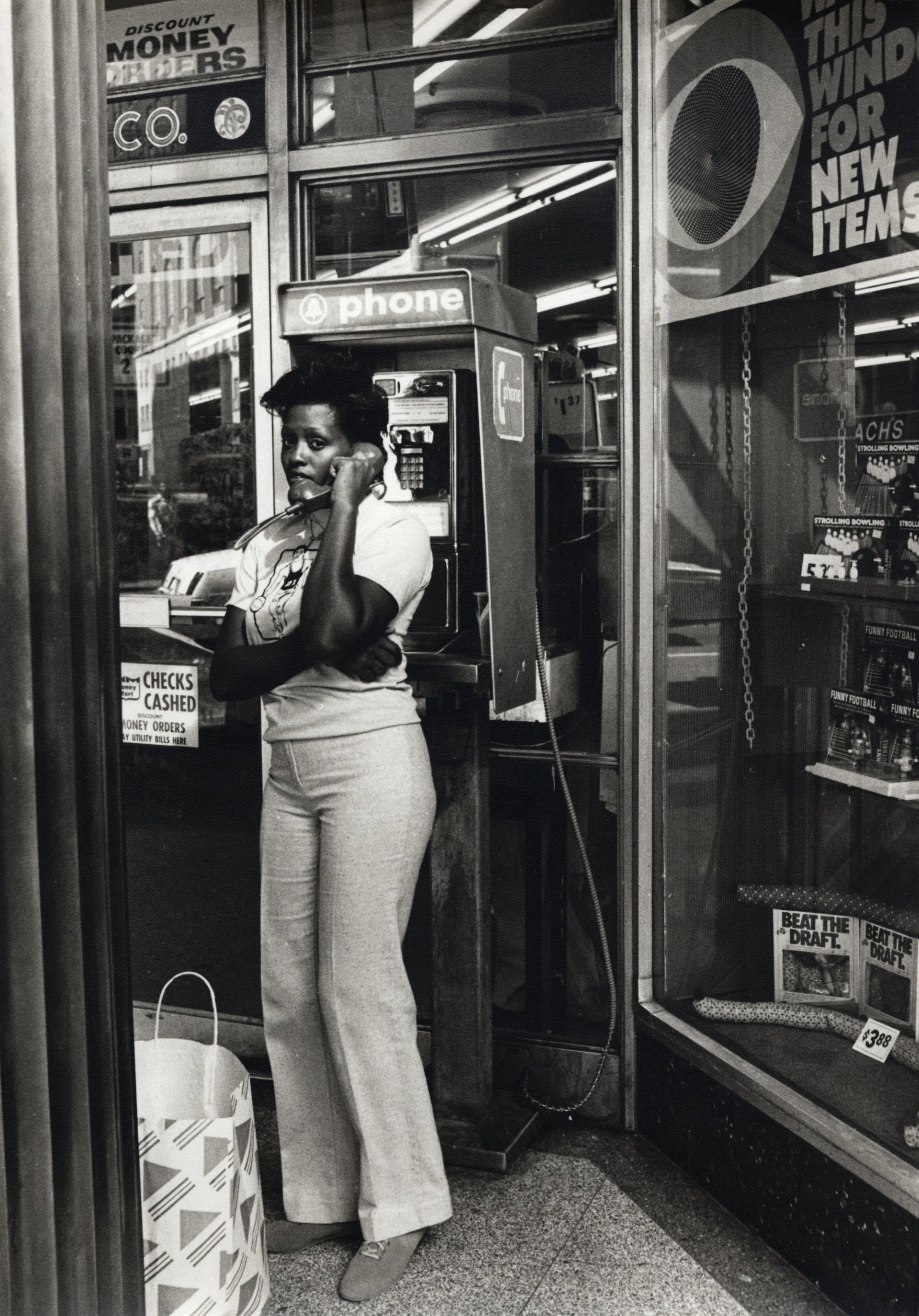
Bohm’s New York (1970s) © Estate of Dorothy Bohm
Bohm would go on to become a prominent figure in the London photography scene, working chiefly in black and white before switching to colour in the 1980s. Despite limited name recognition, interest is growing in the photographer with both the Victoria and Albert Museum in London and Kettle’s Yard in Cambridge acquiring work over the past two years.
When considering who to approach to exhibit her mother’s photography, Farleys House was a “natural place”, Bohm-Duchen says. The connection goes back to 1969, when Bohm held her first solo exhibition at the Institute of Contemporary Arts in London, which was co-founded by Miller’s husband, the painter Roland Penrose. Penrose wrote the foreword to Bohm’s first photobook, A World Observed (1970), after which their families “kept in touch”, Bohm-Duchen says.
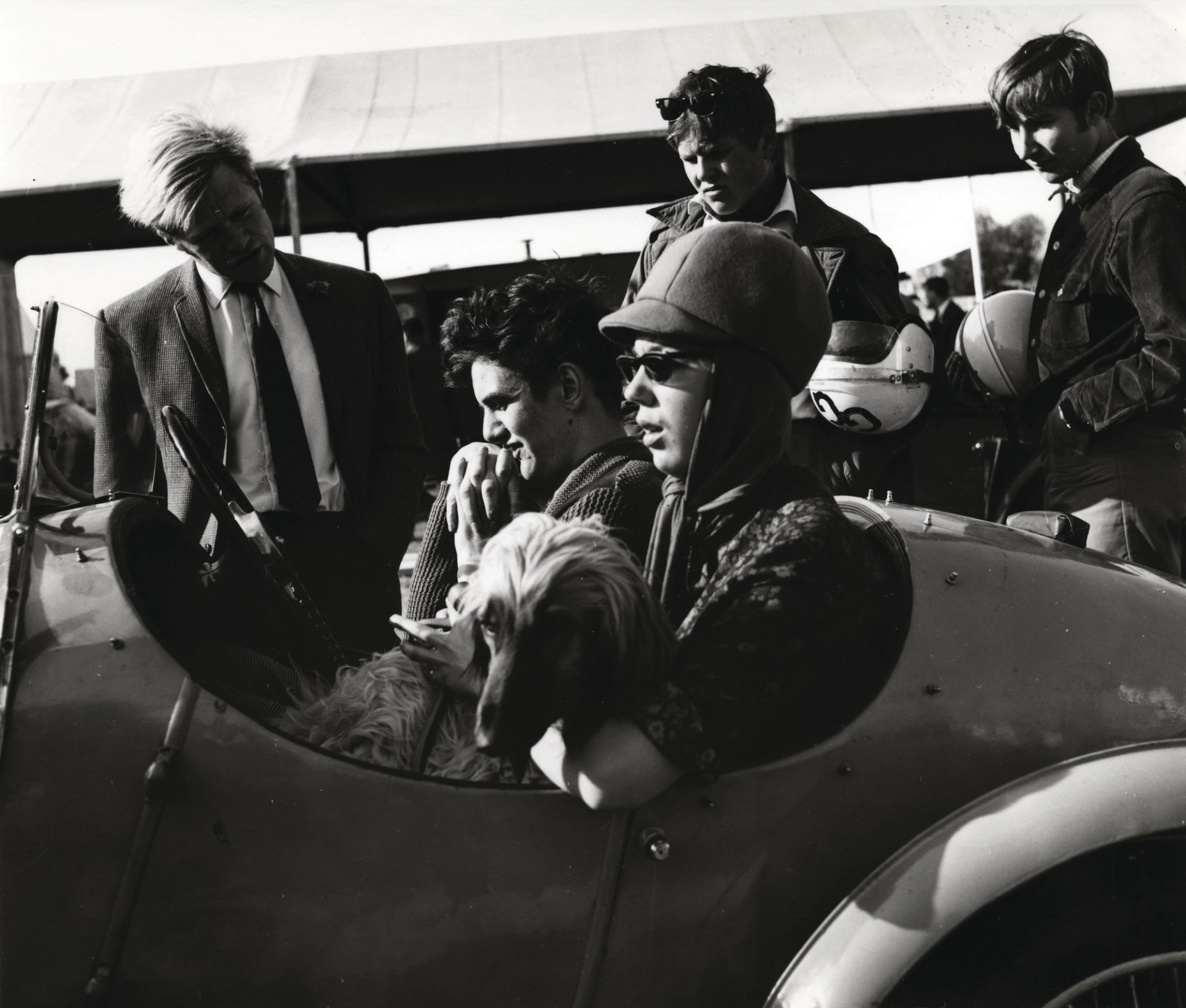
Sussex (1970s) by Bohm © Estate of Dorothy Bohm
Perhaps the most important connection is the role Bohm played in establishing Miller’s legacy after Miller’s son Antony Penrose rediscovered her cache of negatives. She urged him to get the body of work “out from the cupboards and under the bed, all the places where [Miller] put it—having lost interest in photography towards the end of her life—and to get it back in the public eye,” Bohm-Duchen says. Bohm also played an important role in posthumously exhibiting Miller’s work at The Photographers’ Gallery in London, where she was associate director in the 1970s and early 80s.
Now Penrose is returning the favour, noting that “Dorothy Bohm’s photographs bring us her compassion, her gentle humour and the sharp perception only a woman can bring to observing other women.”
• Dorothy Bohm: About Women, Farleys House & Gallery, Chiddingly, East Sussex, 2 April-26 July


