

Constable’s Year: An Artist in Changing Seasons, Susan Owens, Thames & Hudson, 224pp, £25 (hb)
In the 250th anniversary year of the artist’s birth, the author Susan Owens analyses how John Constable’s life and work were shaped by the yearly cycles of weather and agriculture. “Constable’s Year shows how nature and the changing seasons mattered dearly to Constable and made his approach to painting radical for his day,” says a publisher’s statement. Owens draws a “multidimensional portrait” of Constable, adds the author Martin Gayford, bringing him alive not only biographically but also meteorologically and geographically though the artist’s study of the skies and the East Anglian landscape. Works discussed include Landscape with a Double Rainbow (1812).
Barnett Newman: Here, Amy Newman, Princeton University Press, 728pp, £35 (hb)
The art historian Amy Newman’s new biography of the Abstract Expressionist artist Barnett Newman draws on numerous interviews, oral histories and previously unseen correspondence, according to a publisher’s statement. Barnett left behind only 118 finished paintings, such as Voice of Fire (1967), six sculptures, and 83 drawings. But the artist was determined to make his mark in other ways, for instance as a teacher and as a candidate for mayor of New York. Newman’s analysis also looks at how Barnett Newman’s Jewish identity shaped his life and art. The end result is “a richly textured portrait of a creative sage who became an exemplar of the artist-citizen”, adds the publisher.
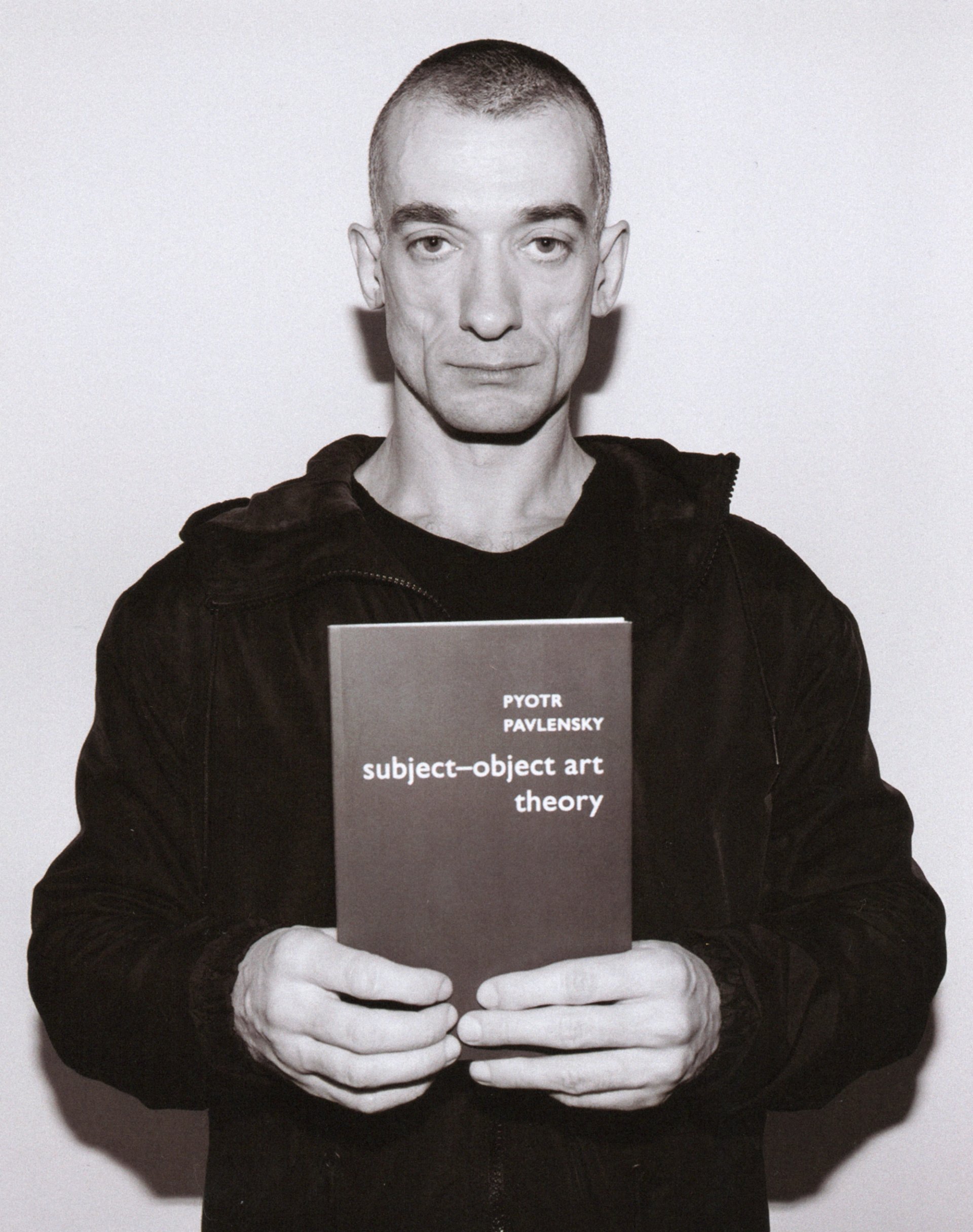
Pyotr Pavlensky with his book Subject-Object Art Theory
Subject-Object Art Theory, Pyotr Pavlensky, Seagull Books, 132pp, £89.99 (pb)
Pyotr Pavlensky is no stranger to controversy. In 2013 the Russian performance artist gained notoriety by nailing his scrotum to Red Square in Moscow; in late 2017 he set fire to the entrance of a Bank of France building in Paris, condemning bankers as the new monarchs. “Subject–Object Art Theory is both a manifesto and a method, an incendiary redefinition of what art can and should be in an era of increasing repression,” says a publisher’s statement. Pavlensky looks at how art and power have overlapped over the centuries, placing his work within a lineage of radical avant-garde movements such as Dada. The provocateur also promises to challenge “prevailing models of spectatorship and authorship in contemporary art theory”.
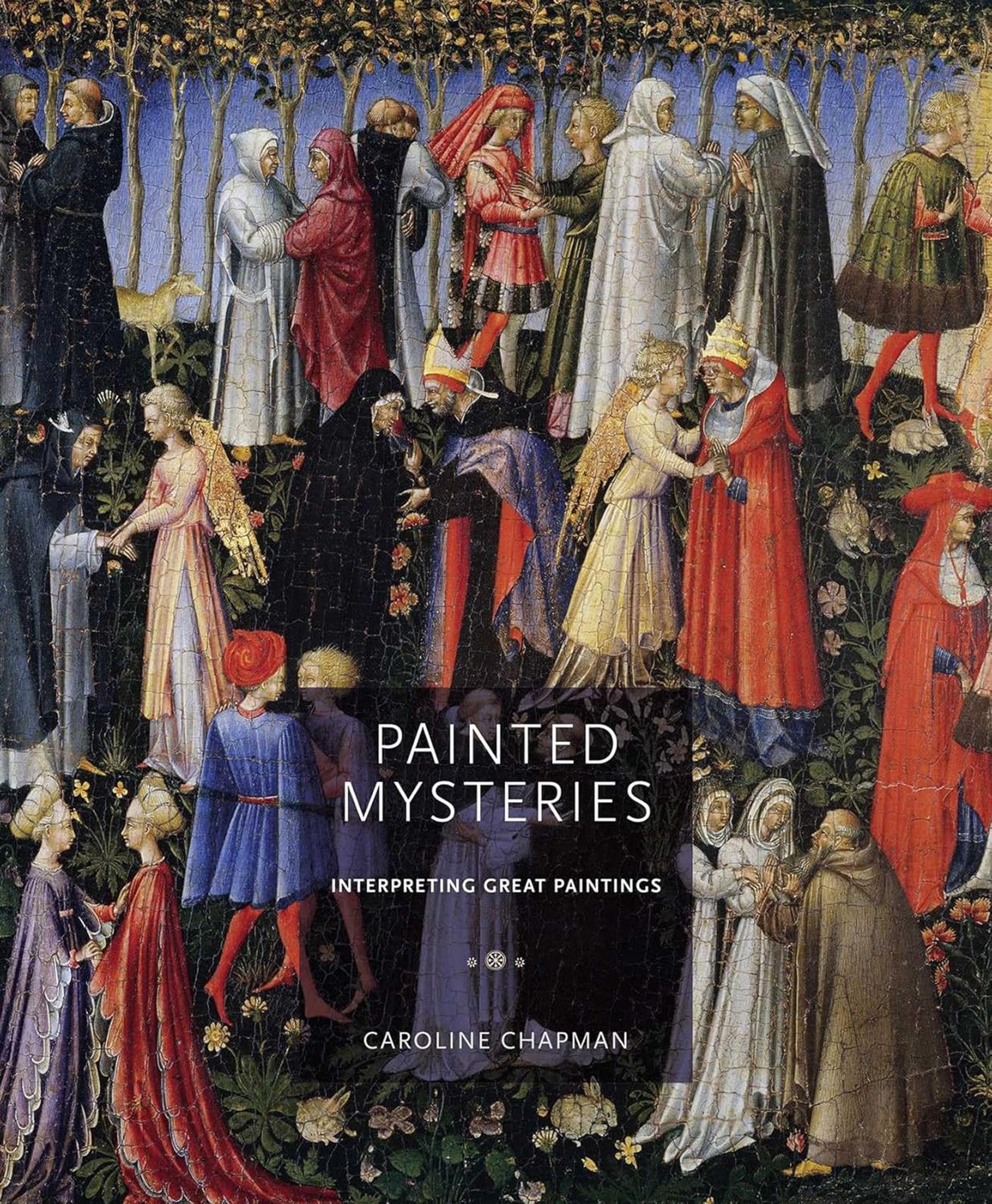
Painted Mysteries: Interpreting Great Paintings, Caroline Chapman, Unicorn Publishing Group, 160pp, £25 (hb)
The former picture researcher Caroline Chapman provides a wealth of contextual information linked to key historic paintings such as Paolo Uccello’s St George and the Dragon (around 1470) and Sandro Botticelli’s Athene and the Centaur (around 1480). “Chapman dissects [more than 135 paintings], recounting the stories the artists were depicting and unravelling the layers of meaning that modern viewers may find elusive or mysterious,” say the publishers. In the chapter Biblical Scenes, Chapman looks at Rembrandt’s painting Belshazzar’s Feast (around 1635), highlighting that the artist “excelled at depicting moments of profound emotion or intense drama, often drawing on incidents in the Bible for inspiration”.


