

In the 1970s, the residents of three streets in Bethnal Green, London, were evicted. Their homes were due to be demolished to make way for the London Ringway motorway scheme, which intended to make a series of high-speed roads within the capital city. The plan was eventually scrapped, and the empty houses were seized upon by young people seeking an inexpensive and alternative way of life. The original “Triangle” squatters formed the Grand Union Housing Co-operative, a sustainable housing model. Their determination persuaded the Greater London Council (GLC) to allow them to restore their homes, and to formally purchase the 63 properties in 1981. Today, the community continues to thrive.
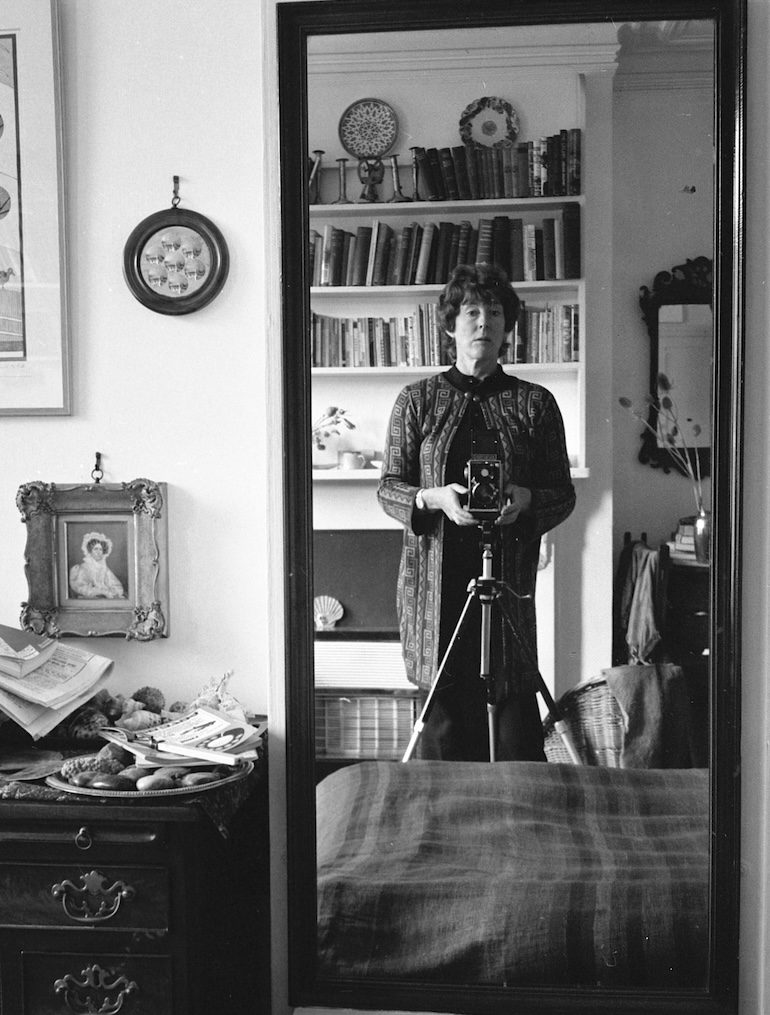
Photographer Joyce Edwards tells the story of this remarkable grassroots movement. The Hampstead-based landlady turned passionate documentarian ventured into London’s East End to capture these communities, telling a fascinating story of resilience and self-determination. This collection was almost lost to time, before filmmaker and long-term friend Derek Smith brought them to light. He discovered a wealth of images when Edwards passed away in 2023, just months before her one hundredth birthday. She left a substantial legacy of fine photographic prints, many printed in her own darkroom. Now, her work is on display at Four Corners, London, where audiences will be able to enjoy them for the first time.
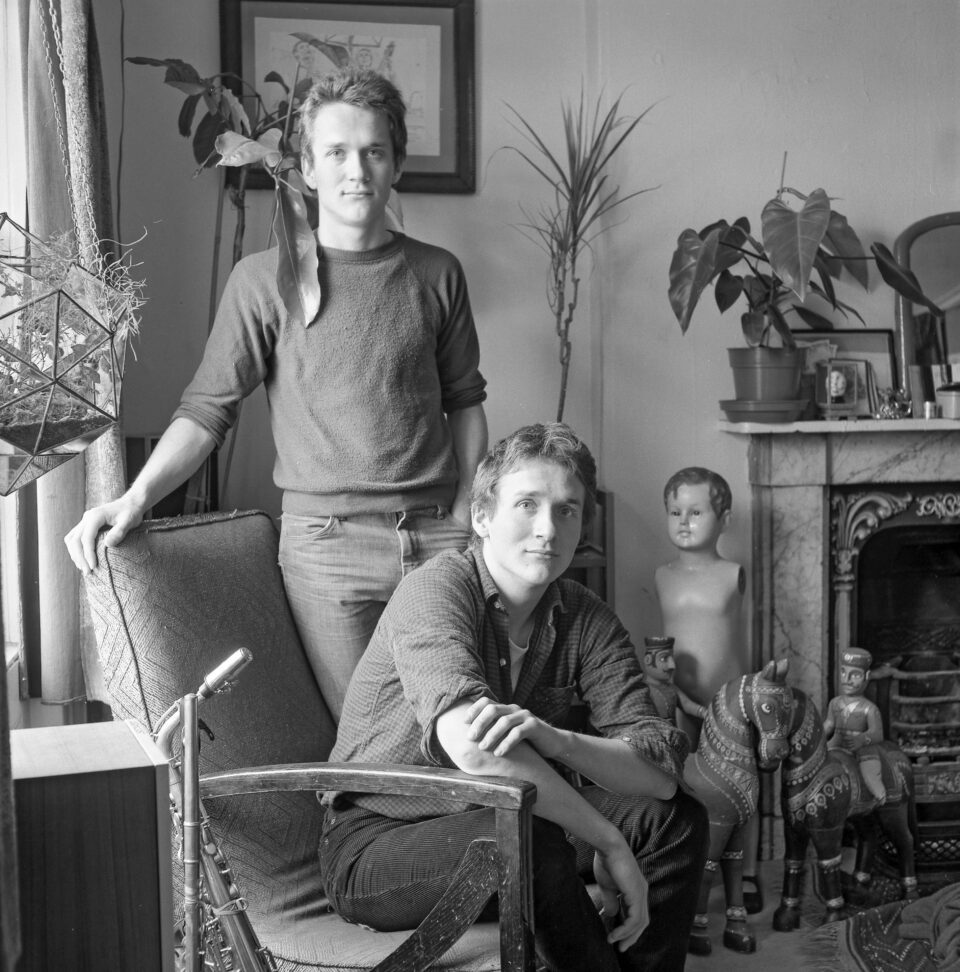
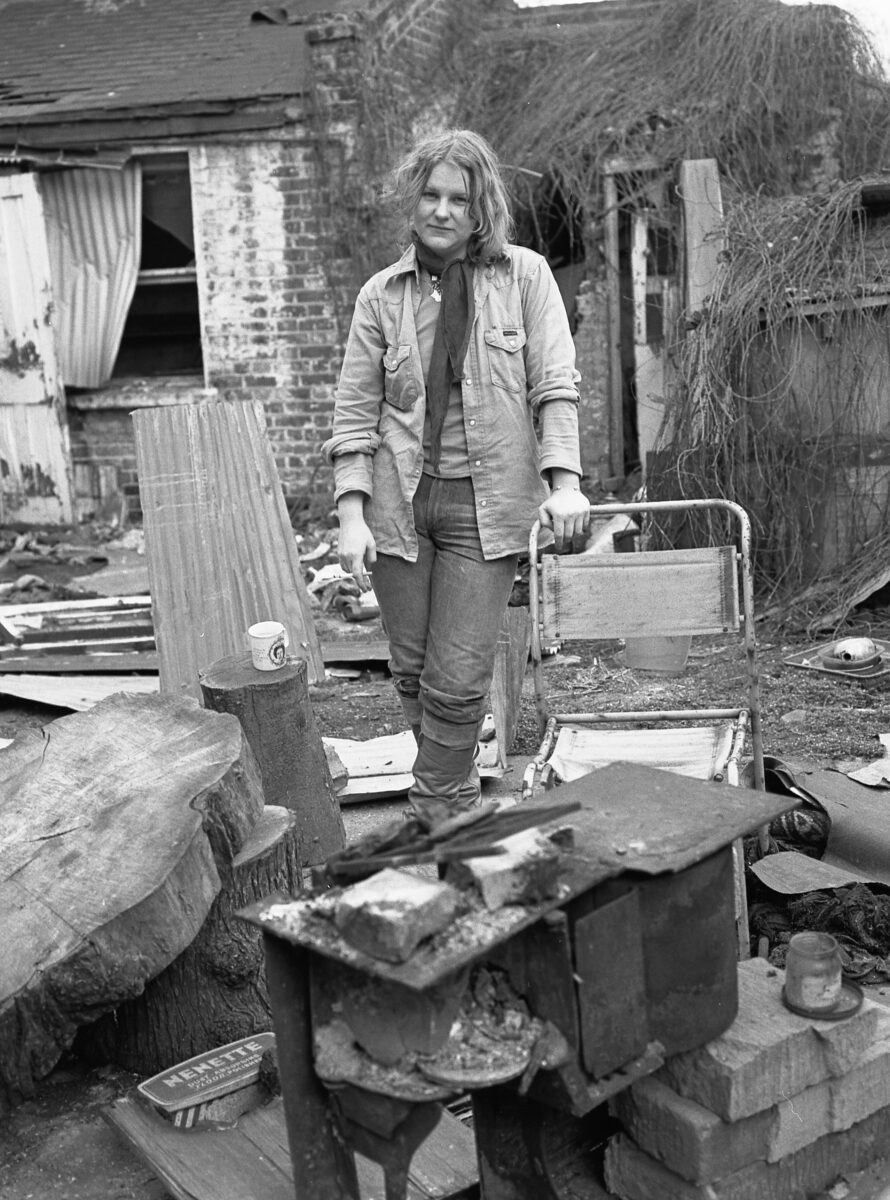
Edwards spent two years producing compelling portraits of the musicians, painters, actors, students, radicals and local people that occupied the squats. Those pictured include eccentric Australian artist Harold “The Kangaroo” Thornton, photographed with his dog, Captain Beefheart, as well as graphic designer and photographer Henry Wolf and actor Elizabeth Shepherd. The backdrop of these portraits are a glimpse into their living situation, often plastered with art, photographs and plants. These are homes that have been painstakingly crafted by those who lived there. It’s a testament to the cooperative’s desire to create a place of warmth and creativity, and Edward’s ability to build rapport with sitters.
The initial discovery of these images sparked a compelling chain of events. Smith’s investigation into the pictures revealed that many of the squatters pictured still lived in the Triangle as part of the Grand Union Housing Co-op. He contacted animator Pete Bishop, an active member since 1978, to learn more about the group. Bishop explains: “the Co-op survives because of the involvement of the members and that we are fully mutual and, crucially, because our 1981 constitution includes a No Right to Buy clause.” Together, the two men worked with nearby arts charity Four Corners to secure National Lottery Heritage Fund support for an oral history project, film and exhibition, culminating in this major retrospective.
Edward’s photographs are the cornerstone of a project that sees an overlooked historical archive brought back to public attention. The community, and her record of it, acts as a blueprint for an alternative kind of living, one defined by shared ownership and responsibility. Today, as house prices continue to rise, young people find the prospect of a mortgage increasingly distant and around 1.2 million privately rented households report finding it difficult to pay rent, this unconventional model remains vastly relevant. As Bishop says: “When you look at Joyce’s pictures you want to know about these people. That’s the thing about great portraiture, you want to know about the subjects, what were their lives like? What happened to them? It’s only the really interesting portraits that awaken that kind of impulse in you.”
Joyce Edwards: A Story of Squatters is at Four Corners Gallery, London until 21 March: fourcornersfilm.co.uk
Words: Emma Jacob
Image Credits:
1. 103 Bishops Way 1978, Co-op headquarters © Joyce Edwards.
2. Actor and friend Elizabeth Shepherd c. 1970 © Joyce Edwards.
3. Joyce Edwards, self-portrait in bedroom, c.1980 © Joyce Edwards.
4. Anthony and Andrew Minion, Albany Street squat, 1980 © Joyce Edwards.
5. Sue, back of Sewardstone Road, 1977 © Joyce Edwards.


