

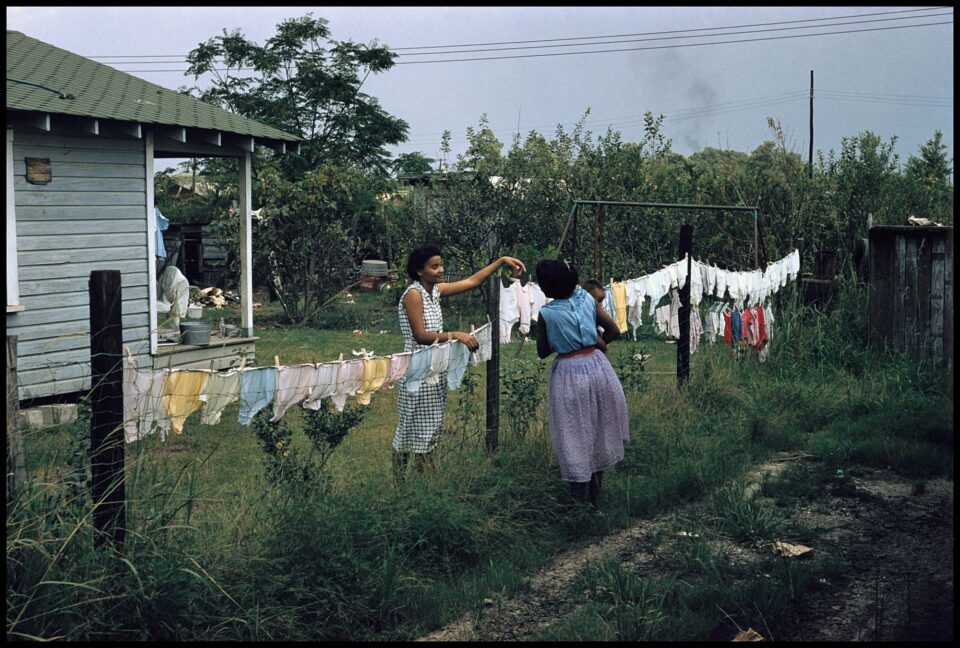
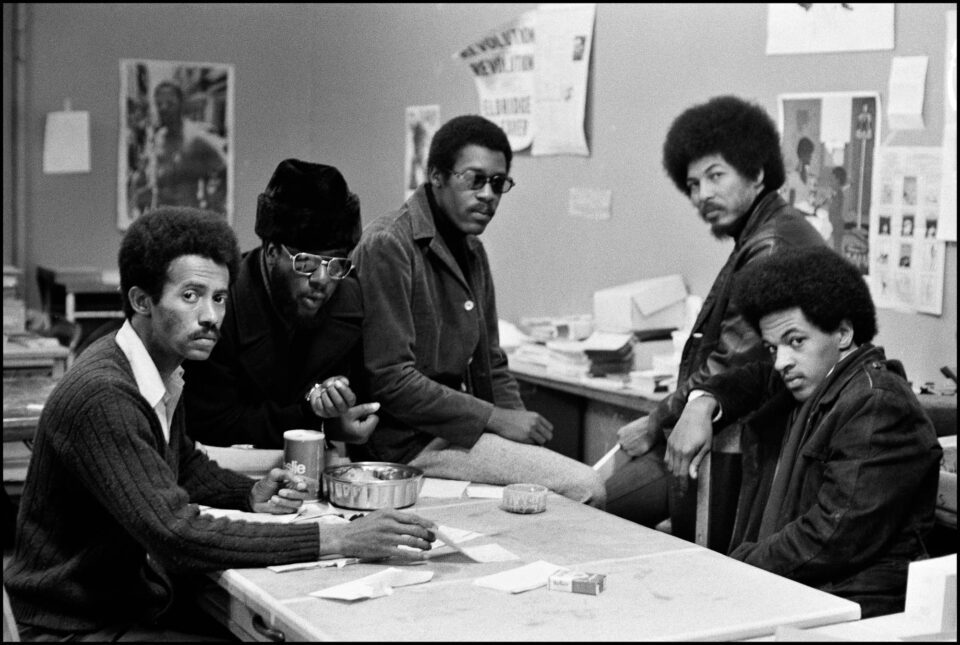
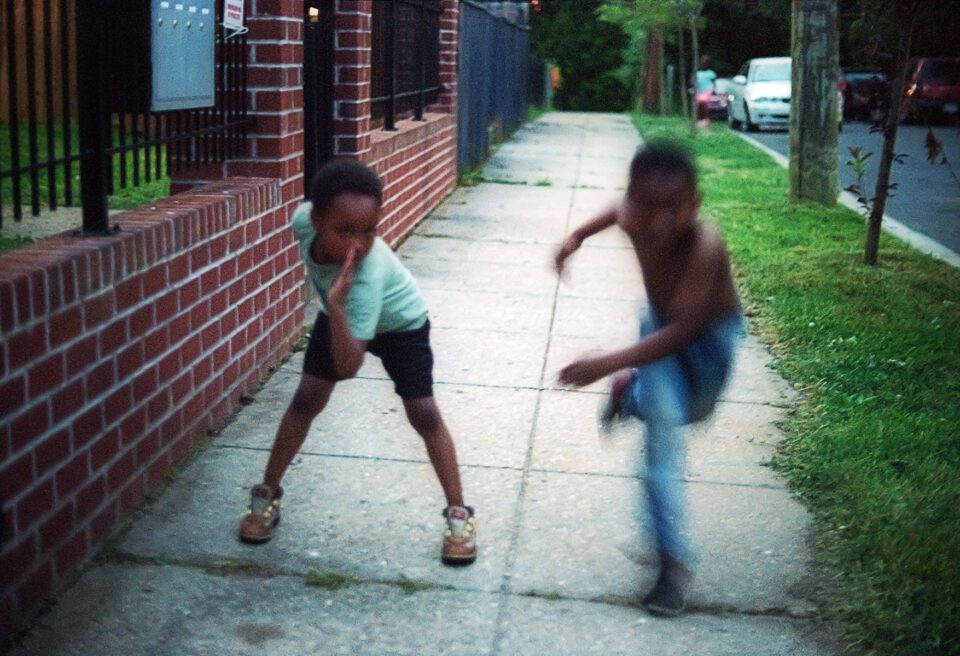
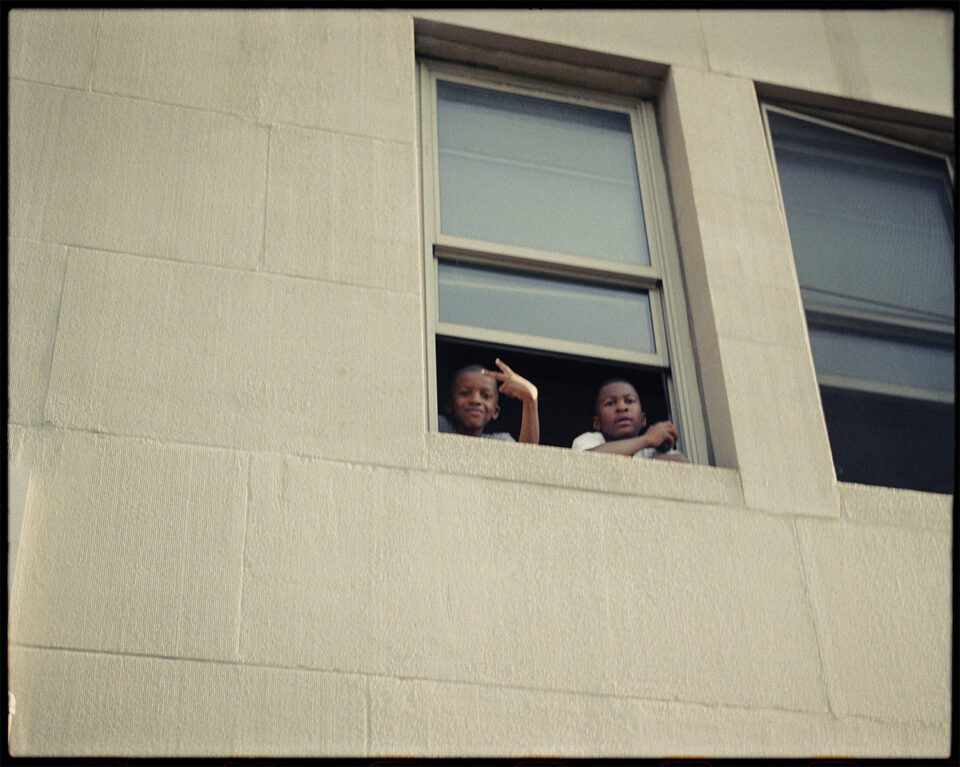
Gordon Parks is one of the most influential artists of the 20th century. Born into poverty and segregation in Fort Scott, Kansas, Park was drawn to photography as a young man. He dedicated his life to documenting the realities of American culture, focusing on social justice, race relations, the civil rights movement and the African American experience. In 1942, he spent time capturing the neighbourhoods and communities of Washington D.C., images that would become foundational documents of Black life. More than 80 years later, Beverly Price photographs the same streets. Her work centres the experiences of children, showing them in moments of joy and reverie, reminding audiences that childhood needs to be preserved and protected in environments that routinely erode innocence. Now, The Center for Art and Advoacy places these two artists in dialogue. A Language We Share: Beverly Price and Gordon Parks, considers how photographs can transmit meaning across time. Price spoke to Aesthetica about the show, why she chooses to focus on young people and what it means to be exhibited alongside Parks.
A: How did photography first become part of your life?
BP: Photography entered my life long before I understood its significance. I grew up in a house full of visual artists, and I was always drawn to a brown dresser in our living room filled with old family photographs. At the time they were simply objects, but years later I realised how deeply those images had shaped my understanding of photography. My real introduction to photography and documentation came when I received the Smithsonian James E. Webb Fellowship for minority students in Business and Public Administration. During the fellowship, I worked as an intern in marketing and public relations at the Anacostia Community Museum. Being in that environment exposed me to the importance of documenting community and preserving history. It sparked my interest in art, even though I didn’t pick up a camera right away. My fellowship ended in 2013, but I didn’t begin photographing until 2016. During those years I watched my city change rapidly. My family home, which had been in our family since the 1930s, was sold, and we eventually moved into public housing. Losing that home was painful because it held generations of family memories. Photography became a way for me to hold on to something. The moment that changed everything came through a dream. I saw four black boys emerging from the ground in the Barry Farm community in Washington, D.C. They handed me a camera and disappeared back into the earth. The dream was so vivid that it stayed with me. Soon after, I reached out to a close friend who was a photographer, and she loaned me a 35mm film camera. I immediately fell in love with the process. I later went to District Camera and purchased my first camera, a Nikon Nikkormat, for $75, and enrolled in a darkroom class at Capitol Hill Arts Workshop. From that moment on, photography became my way of preserving history, documenting community and holding on to the stories that might otherwise disappear.
A: Do you feel that your experience of incarceration influences your art?
BP: Yes, my experience of incarceration deeply influences my art. Being incarcerated strips away many of the illusions people often carry whilst living freely in society. Everything is taken away, and you are forced to confront reality and learn how to survive. That experience instilled in me a deep sense of realism that continues to shape the aesthetic of my work. I was one of the youngest people in my federal prison, and I often wished there had been more support or opportunities for people like me. When I eventually picked up a camera, I began to see something in the youth I photographed that reminded me of my younger self. I saw children who deserved the chance to simply be kids, but whose environments often did not allow space for innocence. In many ways, my own development felt interrupted. The children in my photographs remind me of what I lost, but they also inspire me to help protect what they still have. My work is rooted in the belief in preventive justice. I use my camera as a tool to listen to and amplify the voices of youth. Too often no one is paying attention to them, yet they carry a deep spiritual knowledge about the world.
A: Your work centres the experience of children, showing them in moments of reverie and spontaneity. What do you want audiences to take away from these images?
BP: I want audiences to see the humanity, depth and inner worlds of the subjects I photograph. Too often, children from communities like the ones I come from are misunderstood or portrayed through narratives that focus only on struggle. I’m interested in the quiet, human moments such as friendship, imagination and spontaneity that reveal their full humanity. In many ways, the images are about preserving innocence. The environments these children grow up in can place adult pressures on them far too early, and I want my photographs to hold space for the parts of childhood that deserve protection. My work is also about the genuine relationships between people and the strength of community. When viewers encounter these images, I hope they slow down and recognise the beauty, vulnerability and intelligence present in these young lives. I also want people to understand that children carry a deep awareness of the world. They may be young, but they are perceptive and spiritually attuned to their environments. My work tries to honor that awareness, whilst reminding audiences that they deserve the freedom to simply be children.
A: Gordon Parks photographed similar communities in Washington, D.C. in the 1940s. How do you see your work continuing that visual history?
BP: I see my work as part of a long visual tradition of documenting Black life with care, dignity and honesty. Photographers like Gordon Parks created powerful images that showed the realities of Black communities in Washington, D.C., while also revealing the beauty, resilience and humanity within those spaces. His work helped shape how we understand the importance of documenting everyday life. In many ways, I feel that I am continuing that tradition from the perspective of a native Washingtonian. Parks’ experience in Washington, D.C., helped shape his social justice perspective and contributed to the development of his journalistic style. When he received the Julius Rosenwald Fellowship in 1942 and worked under Roy Stryker for the Farm Security Administration, he confronted the harsh realities of racism and bigotry that existed then and still exist in Washington, DC today. Those experiences helped produce works like American Gothic. The city is full of beauty and remarkable people, but it is also shaped by many of the same social realities that existed during Parks’ lifetime. That is why the work must continue today. Like Parks, I am interested in showing the fullness of Black life, not only struggle, but also tenderness, friendship, innocence and spiritual depth. I hope my photographs serve as a record of our time, whilst honoring the legacy of those who came before me.
A: Where did your relationship to Gordon Parks’ work start? How does his work resonate with you?
BP: It began when I was in junior high school. My eighth grade teacher assigned our class a report, and I had to go to the library, choose a book and research him. I remember seeing his photographs and feeling drawn to them, even though at the time I didn’t fully understand the depth of what I was looking at. It wasn’t until much later, when I began my own journey in photography, that his influence became clearer to me. As I was learning about photography and searching for work that spoke to me, I came across Gordon Parks documentary Half Past Autumn. It moved me deeply. His story, his sensitivity and the way he used photography as both a social and human language resonated with something deep inside of me. After watching the documentary, I even had a dream about him. In it, he told me that photography was like breathing and that I needed to learn how to breathe through it. I’m someone who listens to my dreams, because many of them eventually come to pass. That moment stayed with me. Since then, his presence and influence have continued to guide me, especially while I’ve been working on this show. In many ways, engaging with his work has felt less like studying a historical figure and more like being in conversation with a spirit that continues to shape how I see and understand photography.
A: How did this show, which places the two of you in dialogue, first come about?
BP: I spent most of 2025 caregiving for my mother. She was very ill, and I was in and out of the hospital with her for much of that year. During that time, I wasn’t able to work or focus on anything creative. My mother passed away on December 18, 2025, and it was a very difficult period in my life. Shortly after her passing, Carly Fischer from the Center for Art and Advocacy reached out to me with the idea of doing a show that would place my work in dialogue with Gordon Parks. At first, I was hesitant to accept because I was still grieving. But my partner and fellow artist, Phylicia Ghee, encouraged me to do it. In a way, the opportunity felt like a blessing arriving after a difficult time. It felt almost as if my mother was rewarding me for caring for her. It was also a dream come true. Gordon Parks has long been a profound inspiration to me, and having my work shown alongside his is one of the highest honours I could imagine. Carly explained that the exhibition was also connected to the 20th anniversary of Gordon Parks’ passing, and she thought it would be meaningful to create a dialogue between our work. What makes the experience even more surreal for me is that the year Gordon Parks passed away was the same year I came home from prison after serving five years. I was 23 years old then, and at that time I could never have imagined that I would one day become a photographer, let alone have my work exhibited in conversation with him.
A: How can images of the everyday speak to larger social and political struggles?
BP: I believe it’s about centering the extraordinary within the ordinary. Everyday images can remind us to be more human in a world where so much of our lives are filtered through the internet. Many people hide behind Instagram filters and AI technology, but there is something deeply beautiful about what a film camera can reveal when the person behind the lens approaches their subject with empathy and care. I’m interested in the spirituality of photography. For me, it’s not about the surface of a photograph but more about looking into a person’s soul and revealing something about their inner life and personality. Film photography allows me to do that. I’m not very interested in mirrorless cameras at this time or images that feel overly polished. I’m interested in seeing my own reflection within my subject matter and creating a genuine human exchange. Today we see a lot of art that is technically impressive and visually exciting, but it lacks a real human relationship to the lives people actually live. Too often people are in awe of art for the wrong reasons, not because of its spiritual depth, but because of the status it holds in society. My work honors everyday people, the balance of life and the beauty of yin and yang. If something is too perfect, it becomes boring. Imperfection is where we learn and grow and where the truth of human experience lives.
A: It’s been said that “photography serves as a means of publishing a first draft of history.” What does this mean to you?
BP: To me, it means that photographs capture moments before they are interpreted, rewritten or forgotten. A photograph holds a record of a time, place or feeling that might otherwise disappear. It preserves the everyday lives of people whose stories are often left out of traditional historical narratives. Photography allows us to witness the present in a way that later generations can return to and understand. When I photograph my community, I’m not only making images for today, I’m creating a visual archive of how people lived, loved, struggled and cared for one another during this time. For me, that responsibility is very important. The camera becomes a tool for memory and truth. It documents the moments of everyday life that might seem small now but will one day help people understand the spirit of a community and the realities of the time we lived in. In that way, photography is not just art. It is also testimony. It allows ordinary people and everyday experiences to become part of history.
A: You work closely with the communities you photograph. How do you build trust with your subjects?
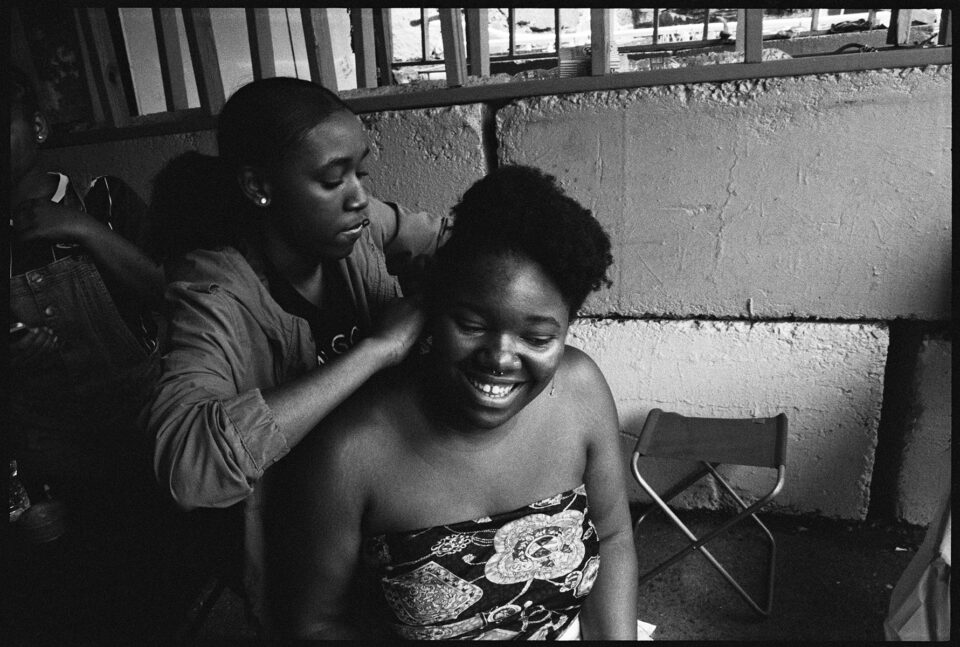
BP: Trust is built through time, presence and genuine care. I don’t approach the communities I photograph as an outsider looking in. I come from the same environments and many of the same experiences, so there is already a shared understanding of what it means to live in these spaces. One of my favorite photographers is Berenice Abbott, and I often think about her writing on selectivity. She spoke about how photographers should focus on the subjects that strike them deeply and excite their imagination to the point that they feel compelled to photograph them. I relate to that idea. I’m able to build trust because I’m selective about my subject matter. Photographs are a waste unless the motive that pushes you to make them is strong and sincere. Over the years I’ve learned that photography begins with relationships. I now spend time with people before I ever raise the camera. We talk, laugh, share stories and build a connection. When people understand that you are there with respect and honesty, the camera becomes less of a barrier and more of a tool for telling a story together. I also believe in being accountable to the people I photograph. They are not just subjects to me; they are friends, family and community members. My work is rooted in empathy and mutual respect, so the images grow out of real human relationships rather than distant observation. When trust is present, people allow you to witness their true selves. That’s when the photographs become meaningful, because they are grounded in authenticity and care.
A: Do you have a personal favourite image or subject from the exhibition?
BP: I honestly love every image in the exhibition. I appreciate being given the creative freedom to do most of the pairing of the photographs and naming the exhibition myself. I was provided with a list of Gordon Parks’ works and invited to select the images that I felt spoke to one another. I’m very grateful to the team at the Center of Art & Advocacy and Carly Fischer for working with me throughout the process. It became a beautiful collaboration where we were all able to bring our creative perspectives together. One of my personal favorite pairings is Gordon Parks’ Untitled, Chicago, Illinois (1957), which shows a young man in jail with only his hands visible and a cigarette hanging from his fingers, paired with my photograph Air, Washington, D.C., (2018). In my image, a young man from my neighborhood is sitting on my backyard steps wearing a pair of Nike Air More Uptempo sneakers with an ankle monitor on his leg, with the word “Air” visible on the shoe. For me, the pairing reflects both the experience of incarceration and the reality of returning home and living under systems like probation. It shows how freedom and restriction can exist at the same time. It also speaks to how certain conditions and struggles persist across generations. The situations may look different, but the underlying realities have not changed as much as we might hope.
A Language We Share: Beverly Price & Gordon Parks is at the Center for Art and Advocacy, New York from 20 March – centerforartandadvocacy.org
Words: Emma Jacob & Beverly Price
Image Credits:
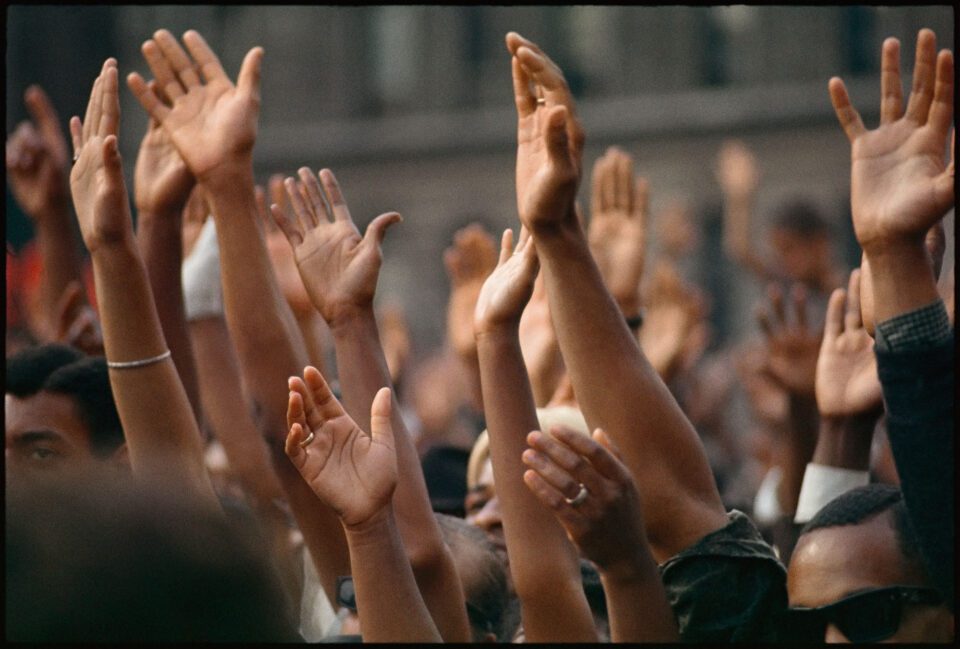
1. Gordon Parks, Untitled, Mobile, Alabama, 1956. Courtesy of and copyright The Gordon Parks Foundation.
2. Beverly Price, We Are Not Thugs, Image courtesy of Beverly Price.© Beverly Price.
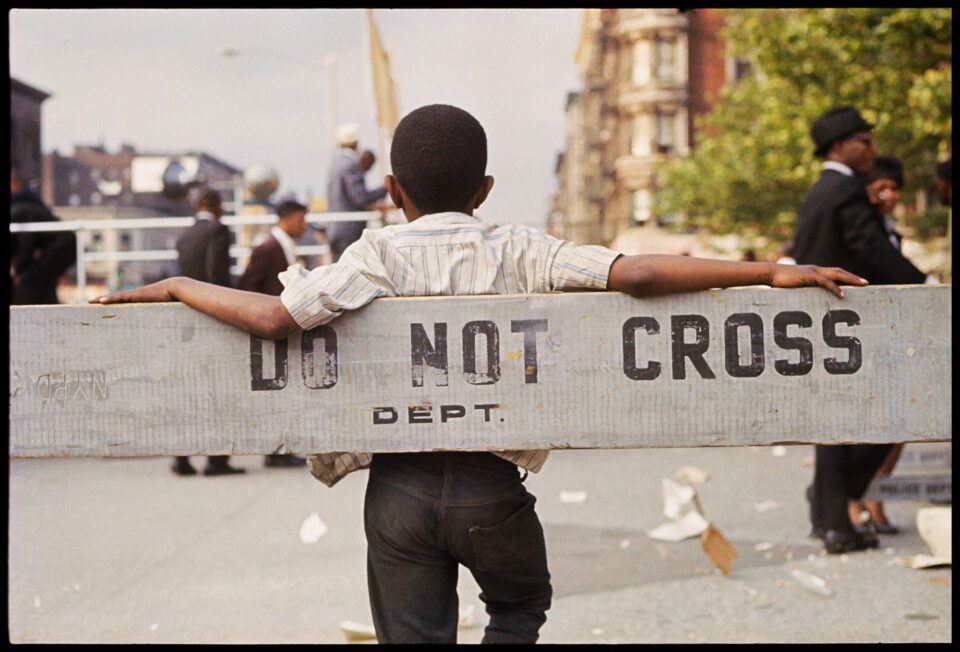
3. Gordon Parks, Untitled, Harlem, New York, 1963. Courtesy of and copyright, The Gordon Parks Foundation.
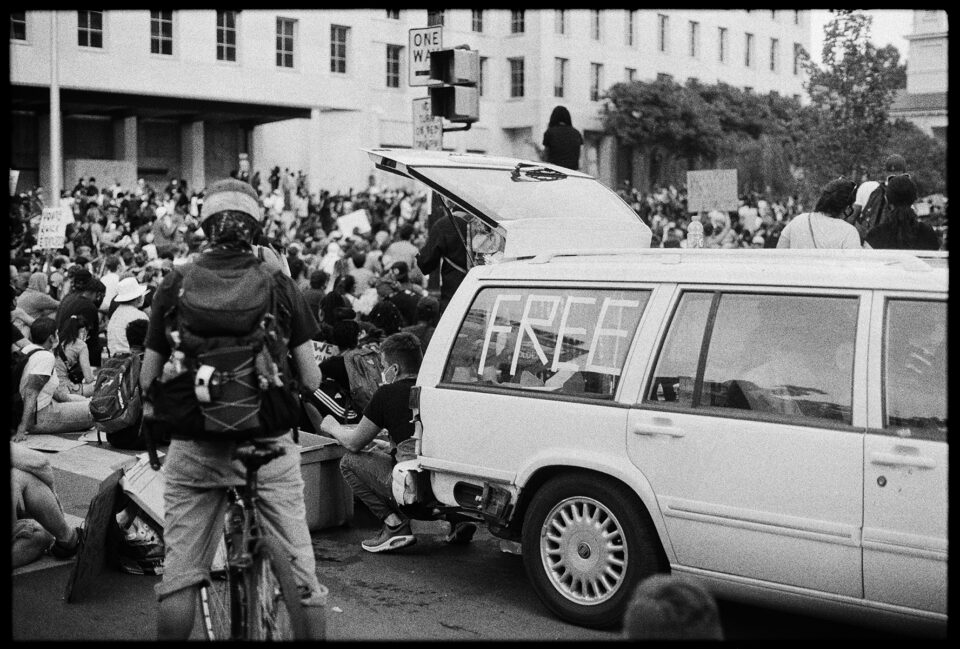
4. Beverly Price, Free, Image courtesy of Beverly Price.© Beverly Price.
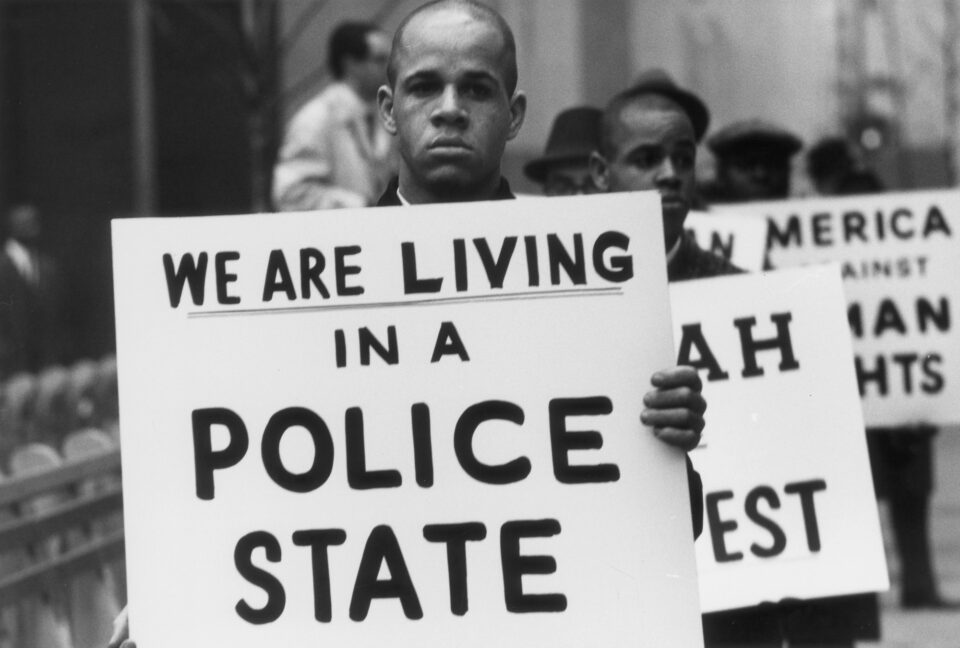
5. Gordon Parks, Untitled, Harlem, New York, 1963. Courtesy of and copyright The Gordon Parks Foundation.
6. Gordon Parks, Untitled, New York, 1963. Courtesy of and copyright The Gordon Parks Foundation.
7. Gordon Parks, Untitled, Mobile, Alabama, 1956. Courtesy of and copyright The Gordon Parks Foundation.
8. Gordon Parks, Black Panther Headquarters, San Francisco, California, 1970. Courtesy of and copyright The Gordon Parks Foundation.
9. Beverly Price, Stop & Go, Image courtesy of Beverly Price.© Beverly Price.
10. Beverly Price, Sisterhood, Image courtesy of Beverly Price.© Beverly Price.
11. Beverly Price, U St. Washington DC, Image courtesy of Beverly Price.© Beverly Price.


