

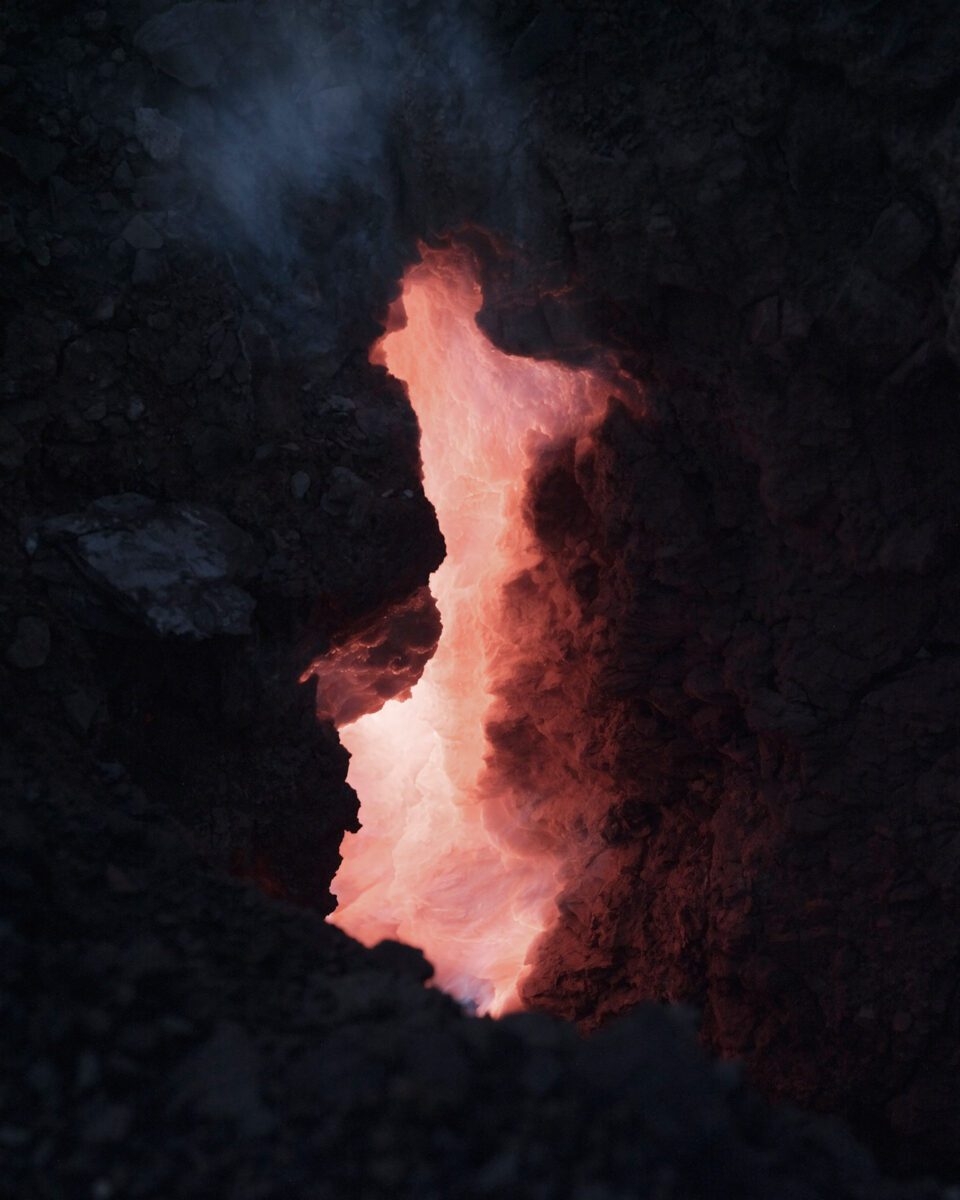
In Sarker Protick’s video work, Three Hundred Million Years, a steady plume of heavy grey smoke rises from the earth, drifting over a black, granular slag hill in Jharia, India. For over a century, these underground coal bed fires have burned uncontrollably, relentlessly spewing toxic fumes into the atmosphere. Protick’s film, devoid of human presence, captures the tireless movement of yellow, angular excavators and drills – machines shovelling debris in an endless cycle of large-scale mining. Historically, coal fuelled India’s vast railway network, yet its extraction and construction is deep rooted in British imperial exploitation.
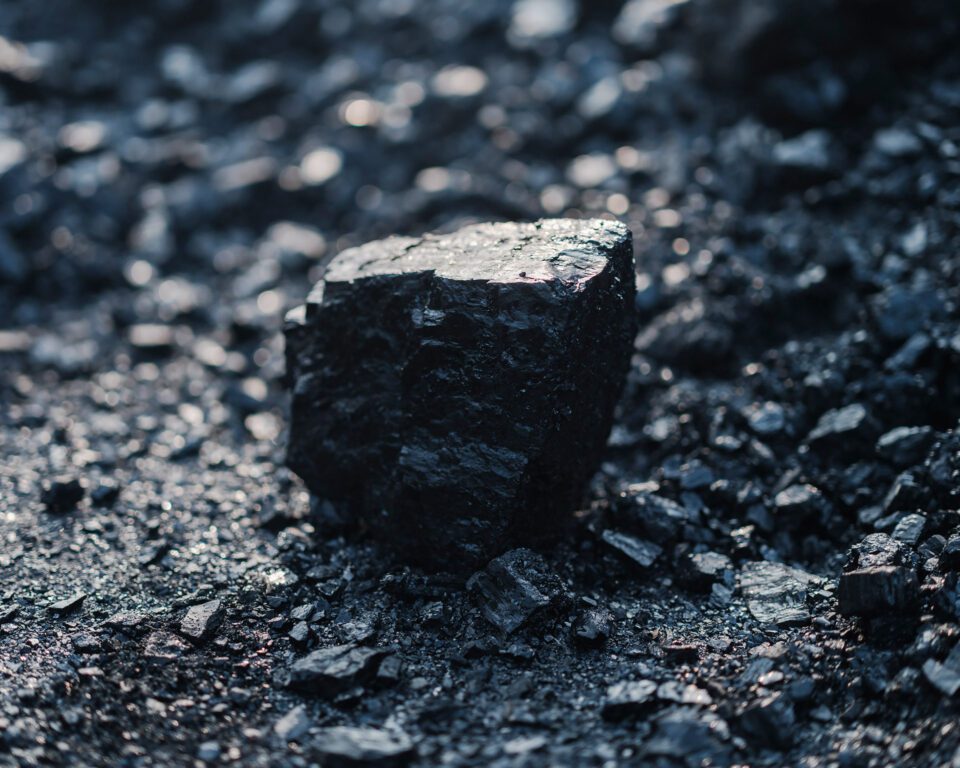
This entanglement of colonial power and environmental degradation is the starting point for Protick’s latest exhibition Awngar, which won him – alongside Colombian artist Laura Huertas Millán – the After Nature Ulrike Crespo Photography Prize at C/O Berlin, an annual award given to artists or groups exploring new concepts of nature through visual media. Protick’s predominantly photographic exhibition is part of a long-term research project and features vitrines of carefully curated colonial-era documents, including a portrait of western geologists and a map of the Indian subcontinent’s mineral resources.

In his Hardinge Bridge, Padma River photographic series – named after the British Viceroy who oversaw its construction – the Bangladeshi artist presents fractured steel girders of the enormous railway bridge. These jagged, black-and-white fragments stand as ominous symbols of global infrastructure rooted in the capitalist ambitions of British rule, subtly alluding to the brutal forced partition of Bengal. Layered and evocative, the exhibition juxtaposes haunting images of abandoned coalfields with the hulks of disused machinery, manufactured in Manchester, England, serving as a stark reminder that the forces driving today’s climate crisis were set in motion by the dehumanising, ecological abuses of empire.
Words: Duncan Ballantyne-Way
C/O Berlin, Until 22 January
All images: Awngar, 2024 © Sarker Protick


