

The Aesthetica Art Prize showcases 20 international artists whose work tackles the defining issues of our age. Through painting, photography, sculpture, video and installation, these artists challenge dominant narratives, spark critical dialogue and imagine new possibilities for the future. Addressing everything from technological transformation and climate crisis to the legacies of colonialism and the ongoing pursuit of gender and racial justice, the shortlisted works offer urgent, timely reflections on a rapidly changing world. The artists are on display at York Art Gallery from 17 July – 15 November.
Kazuaki Koseki | The Himebotaru firefly are native to the Japanese forest of Yamagata. Unlike other species, these fireflies emit light in bursts. Koseki captures these flashes and combines multiple images to reveal a scene illuminated by hundreds of “fairies,” suggesting a world that is fleeting but alive with hope.
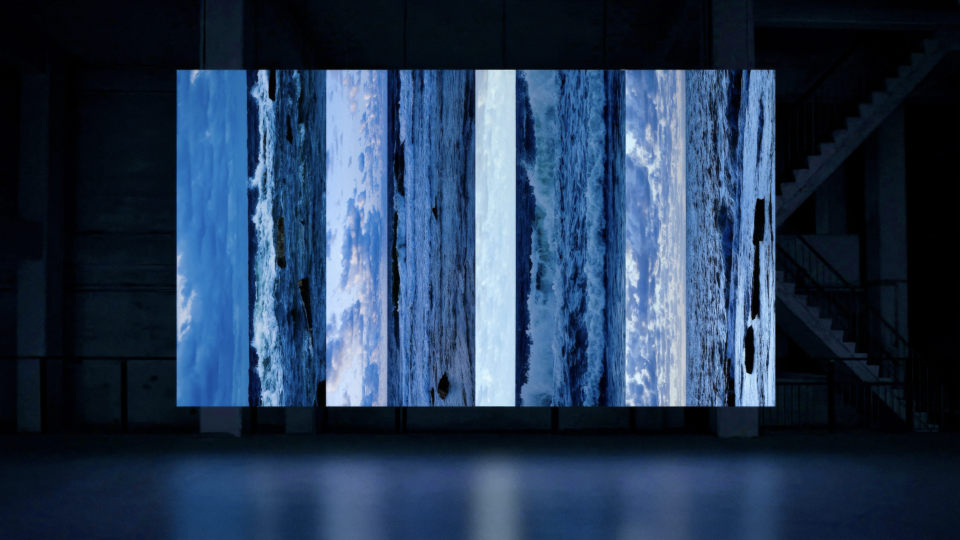
Filip Haglund | Climate change is impacting the oceans through warming, acidification and rising sea-levels. 4 Oceans considers these changes, exposing the vulnerability of both nature and humanity and revealing these vast bodies of water to be shared spaces linking human and ecological histories.
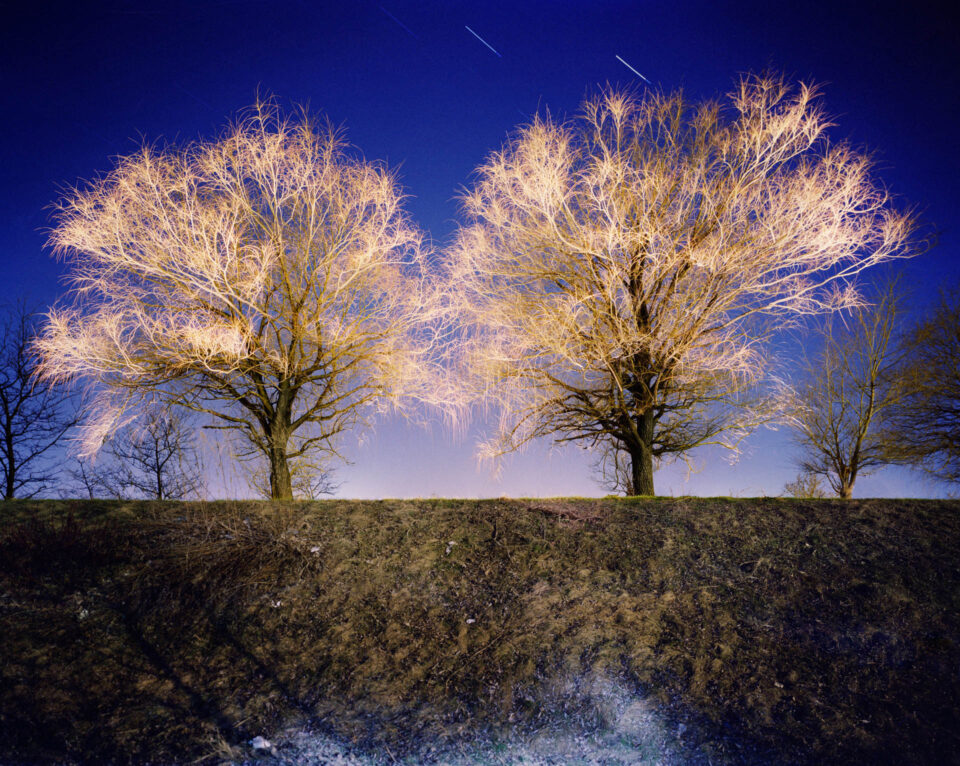
Jarrett Murphy | The surreal nocturnal landscapes in The Ecotone explores the tension between human control and the wilderness. Murphy creates otherworldly scenes with vivid colours and sharp lighting that examines nature as both fundamentally shaped by, and resistant to, human intervention.
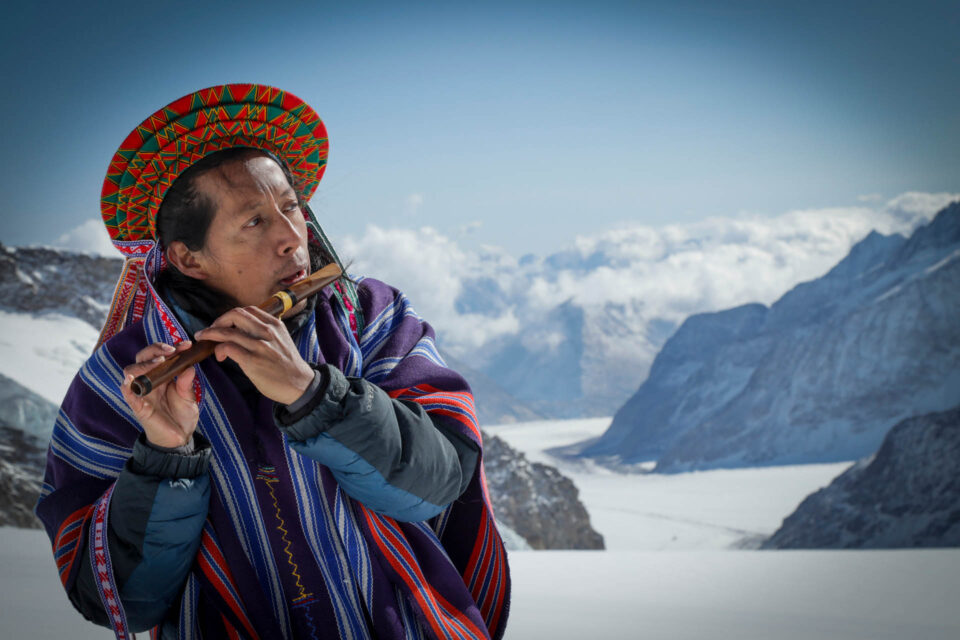
Felipe Castelblanco | Tunda: A Quantic Plant and the Devil’s Breath explores the entangled histories of plants and colonial extraction. Audiences watch as an Indigenous man is thrust from the Colombian Amazon to the Swiss Alps. The work combines science, ethnomedicine and ecology, questioning how we see things.
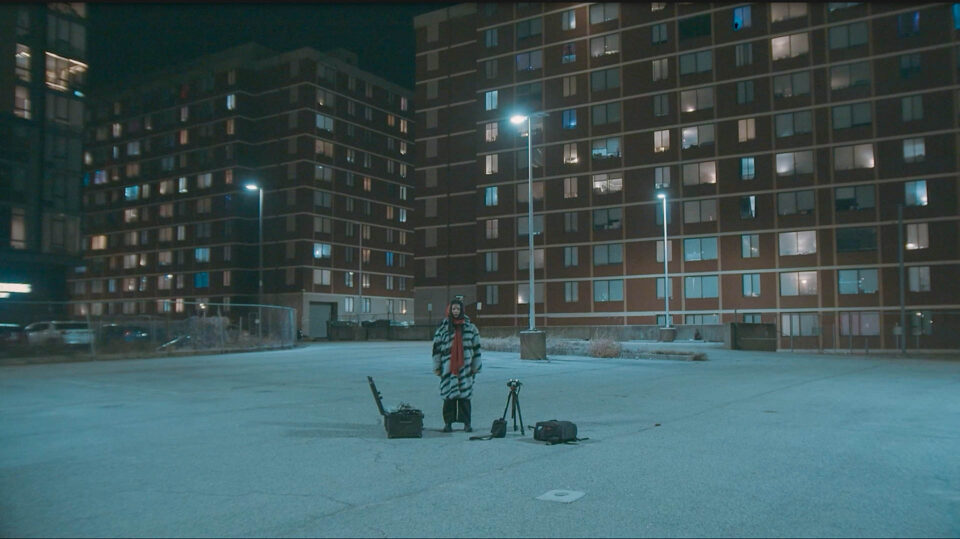
DIVA | This 3-channel video reflects on the artist’s identity as a Black French woman in New Orleans through the lens of another diasporic experience: a Mardi Gras Indian Queen. The piece explores how artistic archives, cultural memory and testimony shape belonging across diasporic histories.
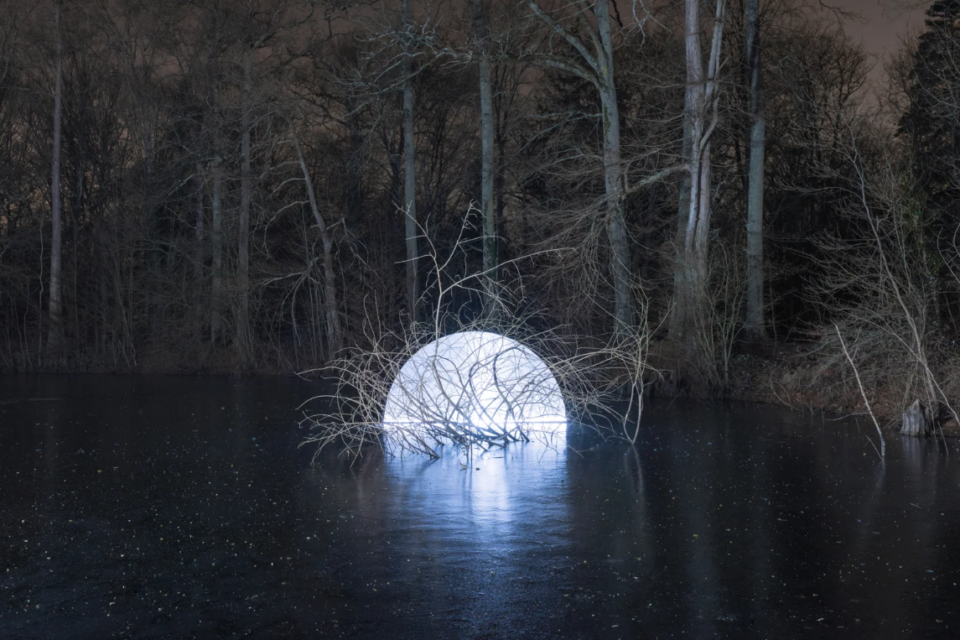
Alexis Pichot | The Marche Céleste series was a response to the artist’s experience of living in the bustling city of Paris. Pichot spent more than a year visiting the forest of Fontainebleau at night, looking to experience the physical and spiritual regeneration for which the landscape is known.
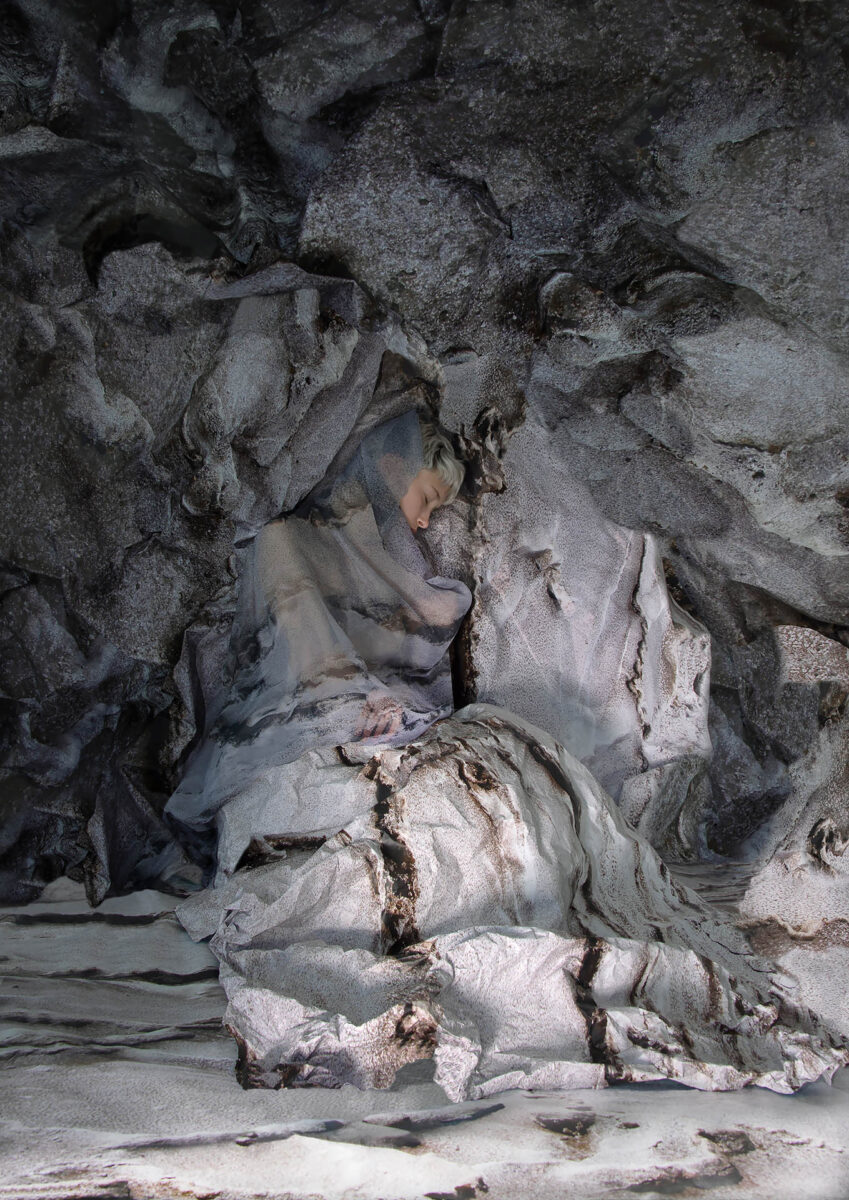
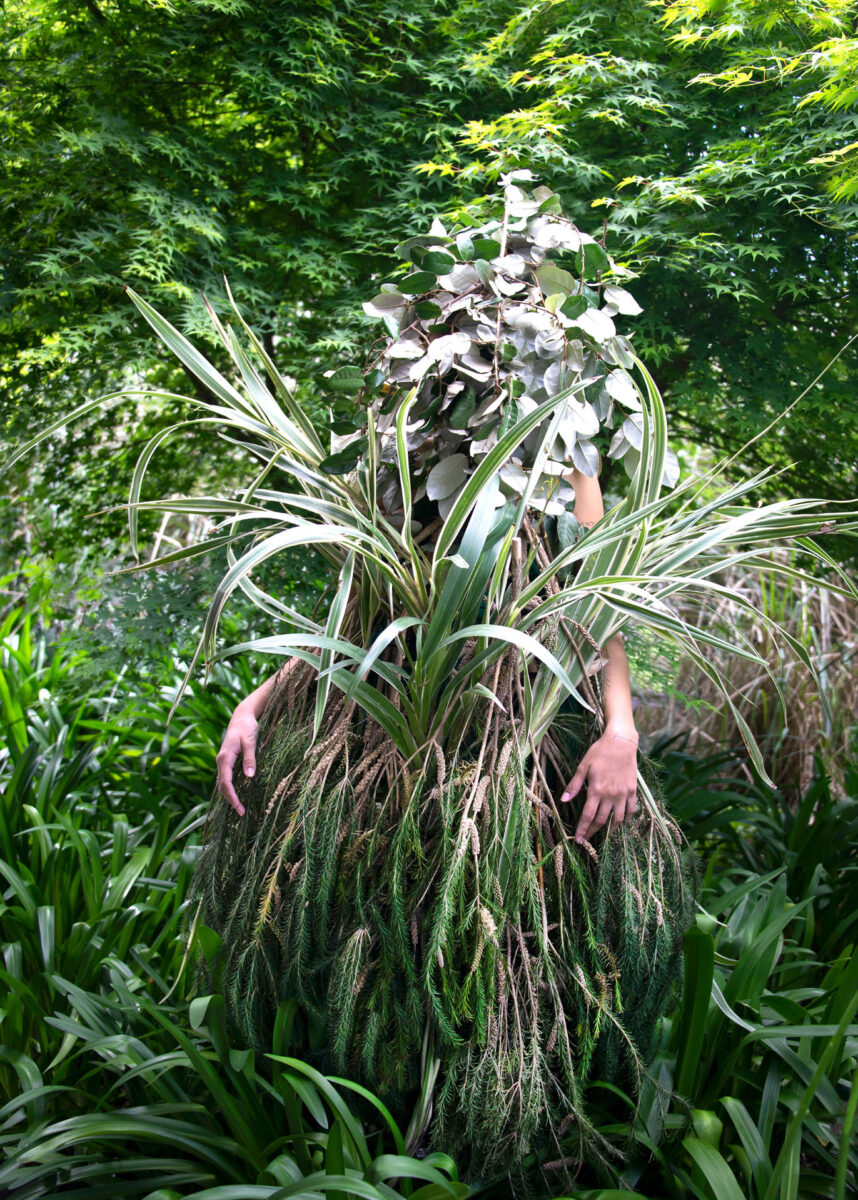
Claudia Behrensen | How has humanity’s mistreatment of the environment caused irreversible damage? Sacred Bond includes images which imagine a dystopian future where we have continued to fail to protect our surroundings and the organic world has been destroyed and only images of it remain.
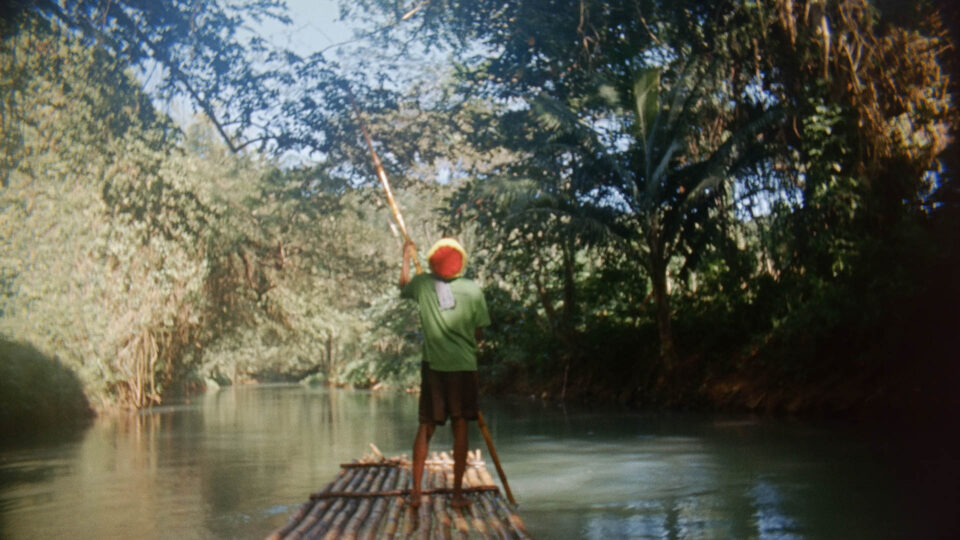
Hope Strickland | This film uses water to weave together stories: the construction of a reservoir in Rochdale; a boat trip in a lagoon in Falmouth, Jamaica, narrated lyrically by a tour guide; a raft ride down the Martha Brae Ricer in Jamaica. Each invites consideration of industrialisation, migration and memory.
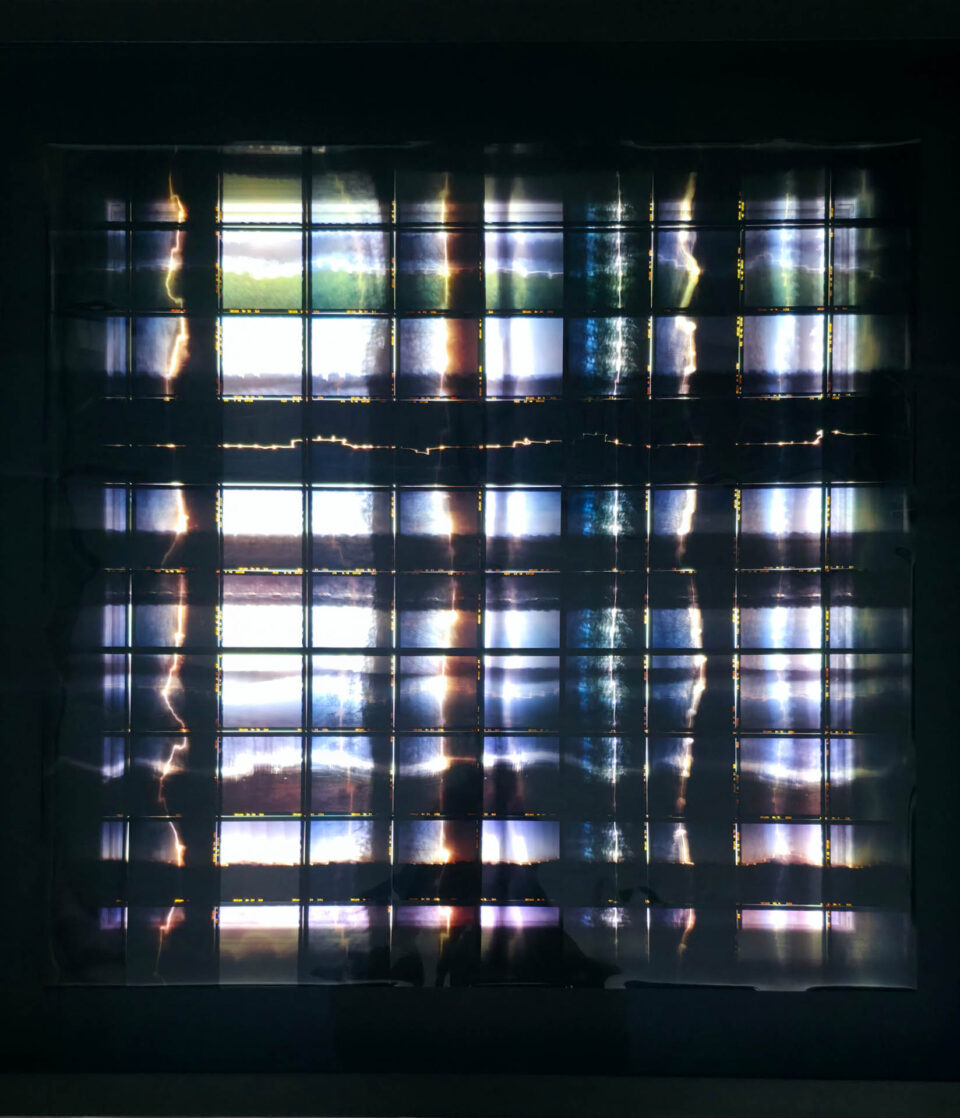
Jeonghan Yun | Photograph Drawing III encourages audiences to question how we define photography and drawing. The work is composed of analogue slide films woven into a grid and illuminated form behind, working almost like a drawing to challenge the single-point perspective of a camera lens.
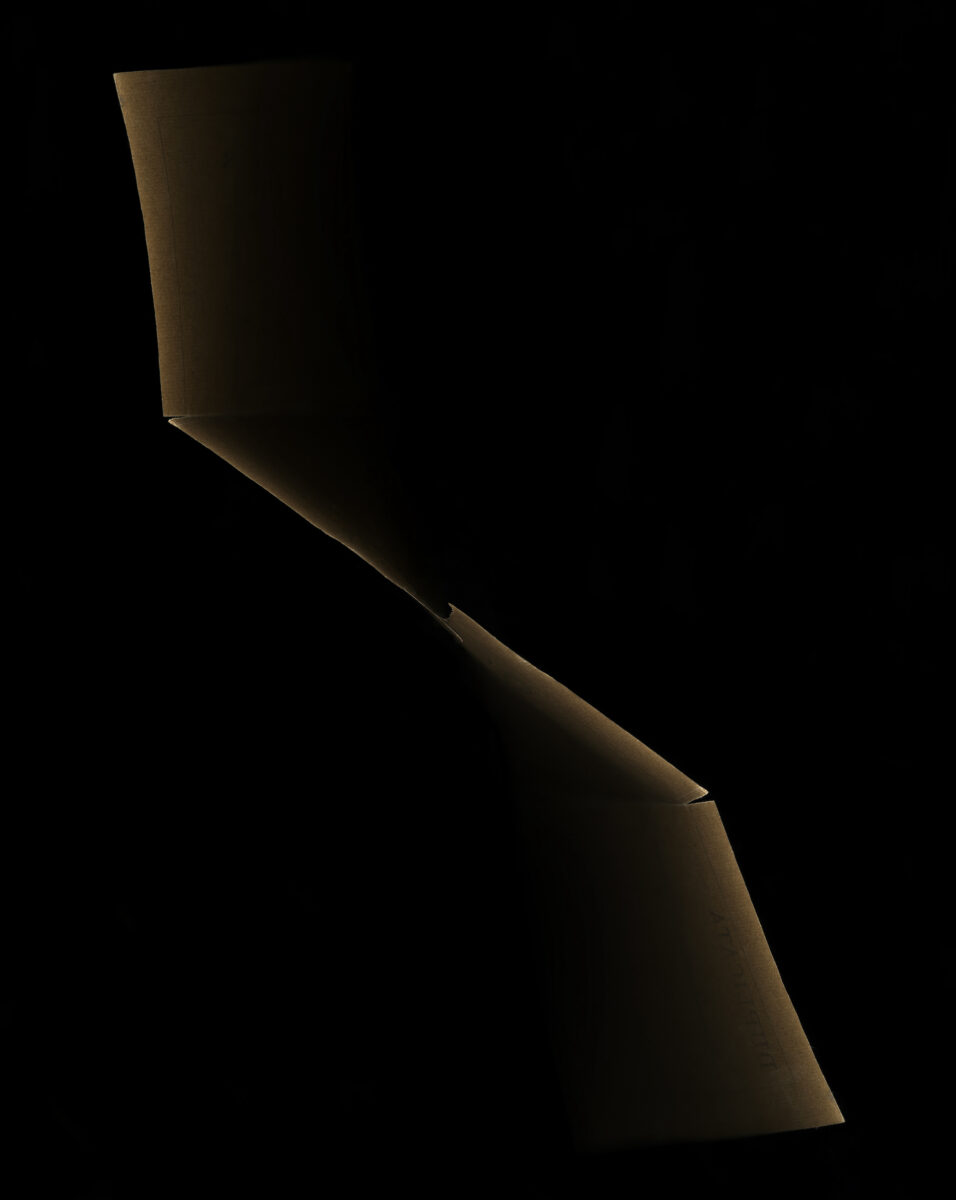
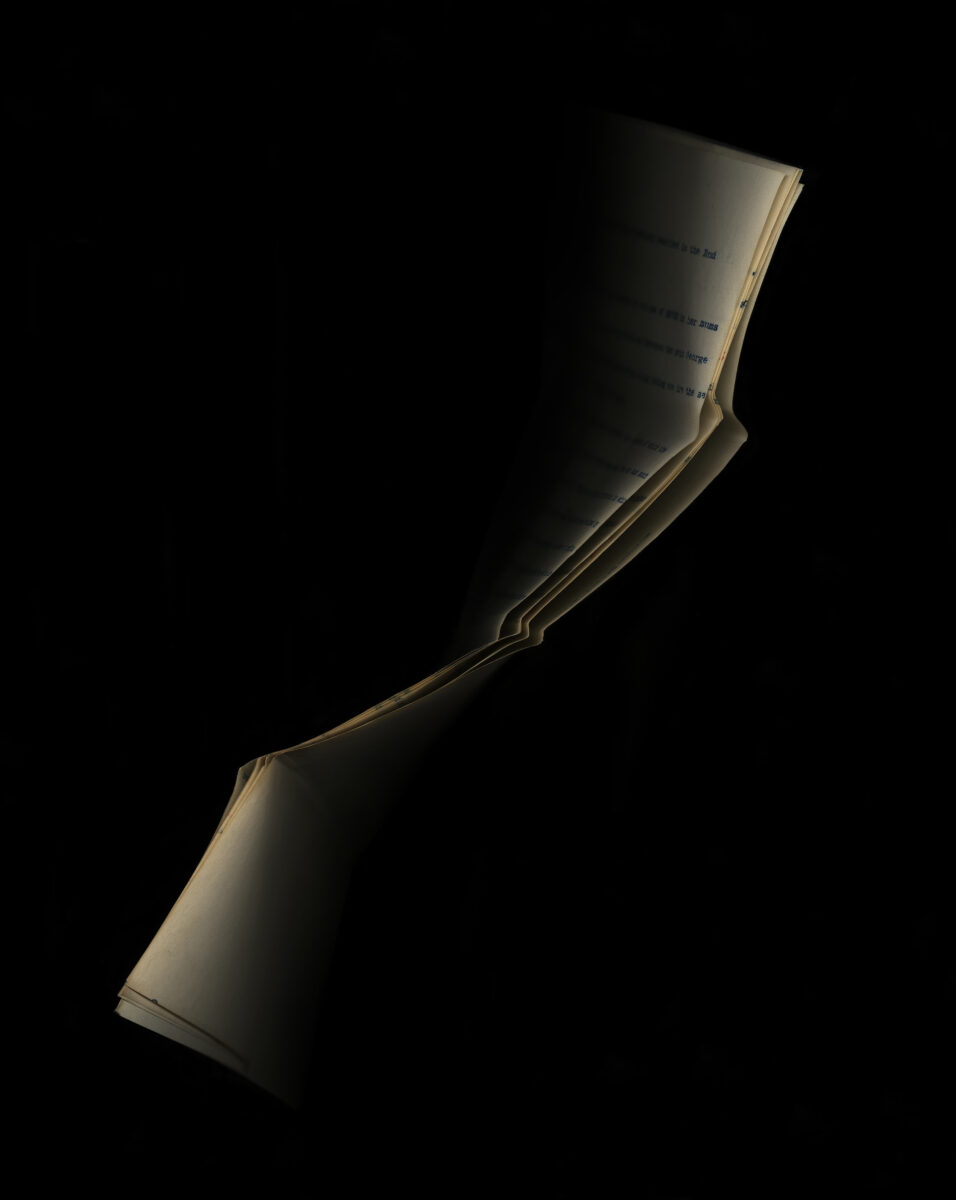
Edgar Martins | In the creation of this project, Martins met with individuals who wrote suicide letters or missives intending to harm others, only to reconsider. He then began photographing these documents, using medical imaging techniques and equipment to obscure the content of the letters.
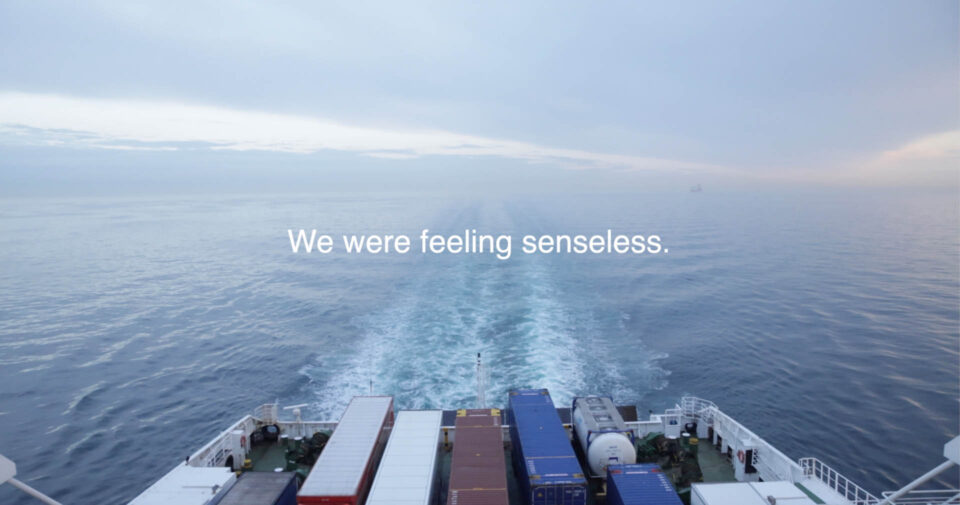
Neville Gabie | At Sea follows the journey of three unaccompanied child migrants. Gabie met these children as they were awaiting “processing” in Hull, where he was studying fulmar, seabirds which migrate across oceans. The artist draws parallels between the trauma of these young people and fulmar.
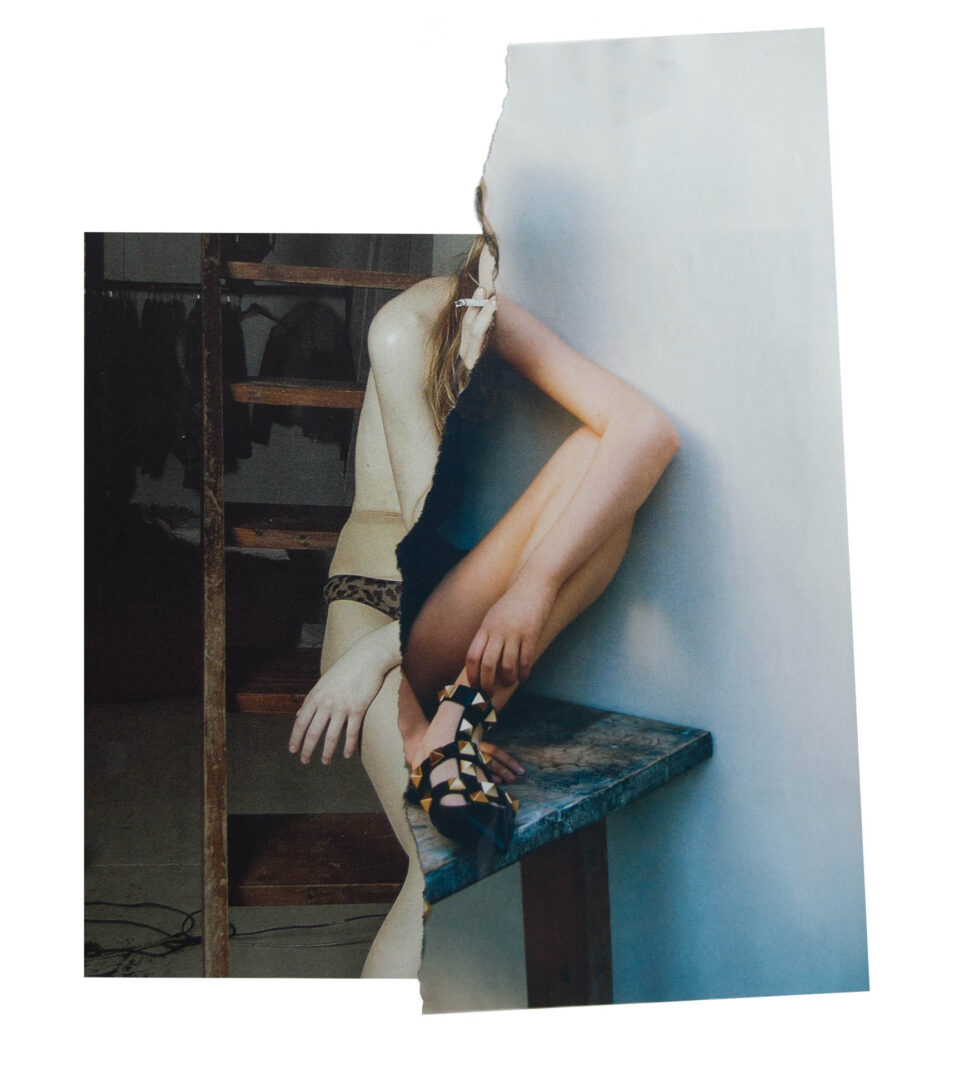
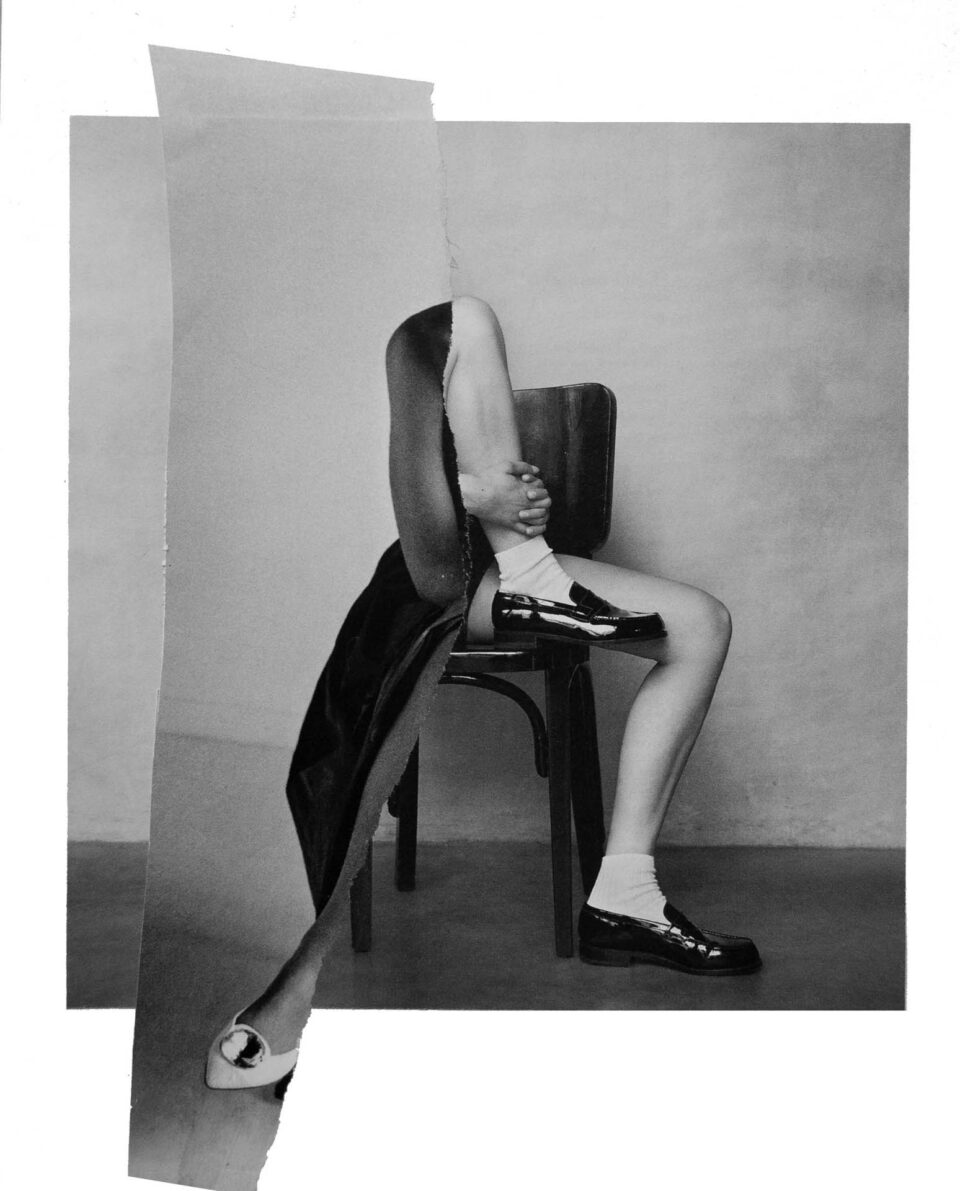
Sara Campaci | Each of Campaci’s collages is made up of found photographs to create incomplete figures, a metaphor for conflicted identity. Through disruption, the images attempt to embrace the beauty and complexity of multiplicity, showing that it is possible to be whole whilst containing many selves.
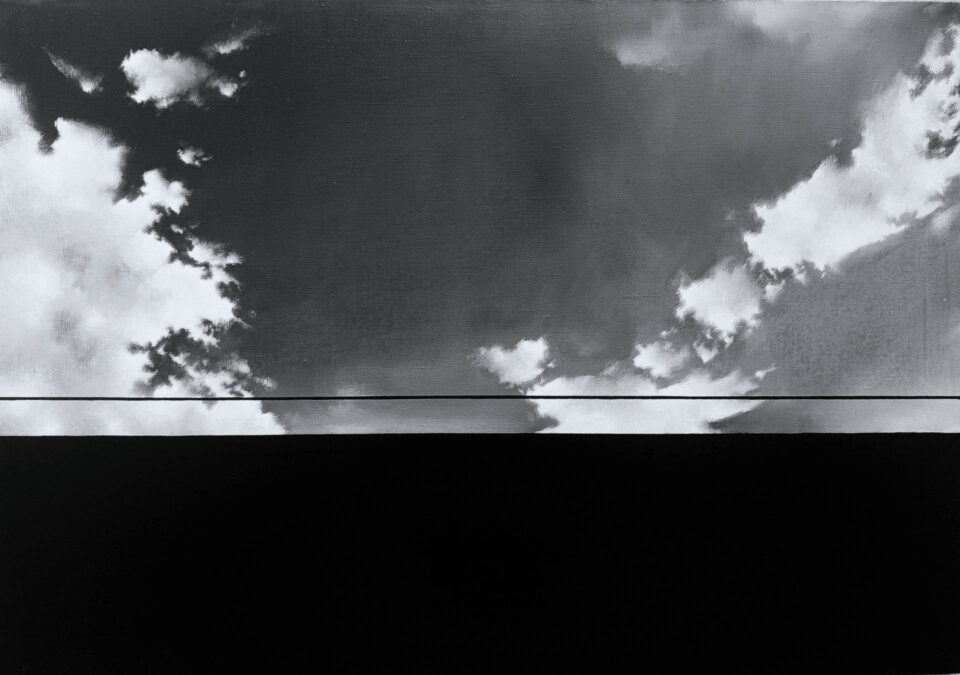
Teti | This painting was made during the Covid-19 pandemic. In it, the view of a monochrome cloud-filled sky is cut off by a black bar and void at the bottom of the canvas, obstructing the audience’s vision. This fragmentation suggests both the physical and emotional isolation of the pandemic.
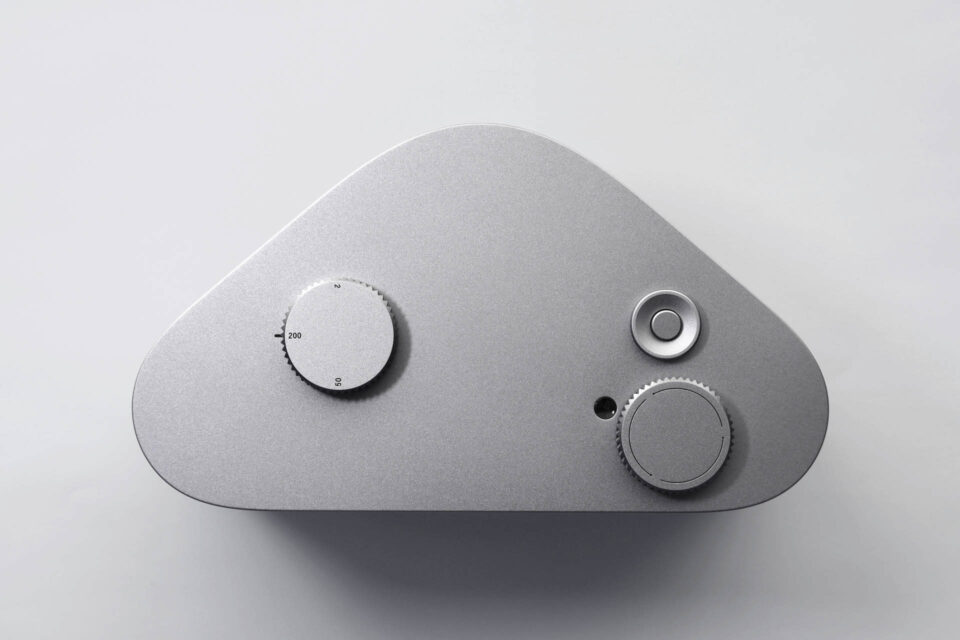
Yasuaki Matsuura | Drawing on over a decade of experience designing cameras and imaging technologies, Matsuura uses the camera to explore how memory is shaped by the systems we use. He looks at how platforms, cloud services and AI influences what we capture, store and later see again.
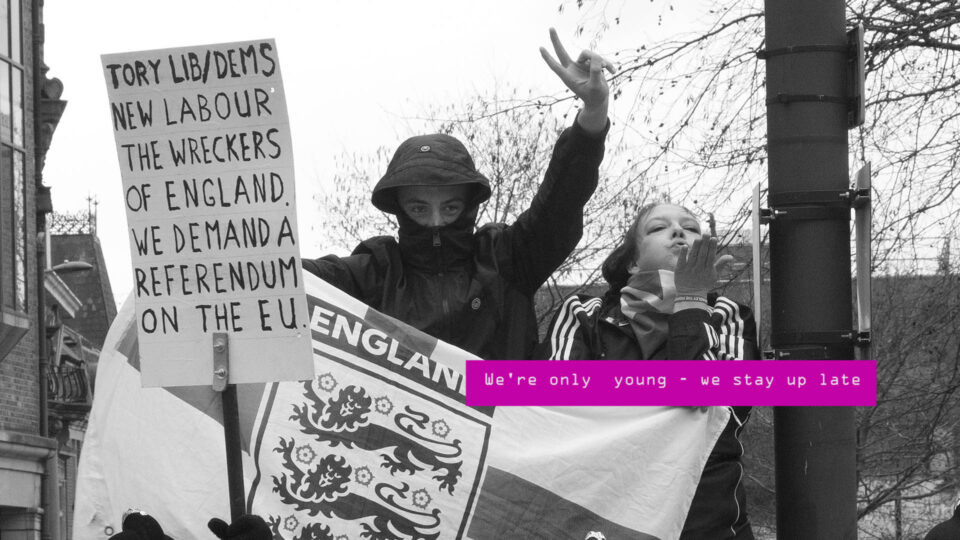
Neil Armstrong | The verse in this video, spoken as a rhythmic conversation between a male and female voice, is from a poem written by the artist in 2014. The piece responded to the overwhelming effect of rapid media coverage of global conflict, considering a dystopian world of online misinformation.
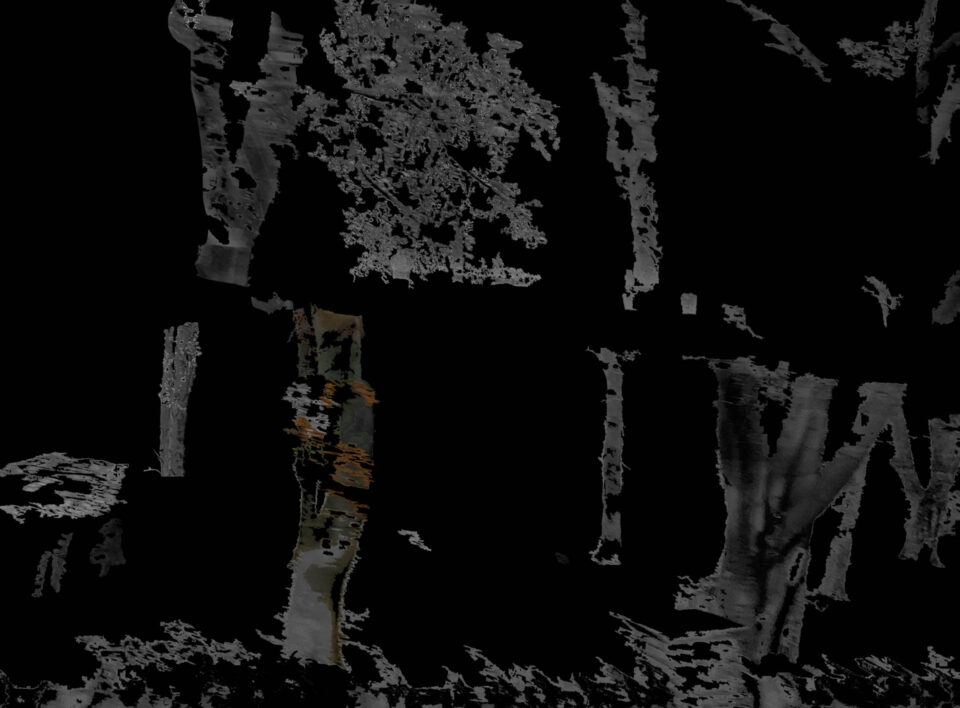
Liza Dracup | Dracup surveys the cultural and ecological significance of overlooked environments in Northern England. The series was created whilst travelling through nature and using experimental photographic processes, capturing spontaneous moments of discovery and exploration.
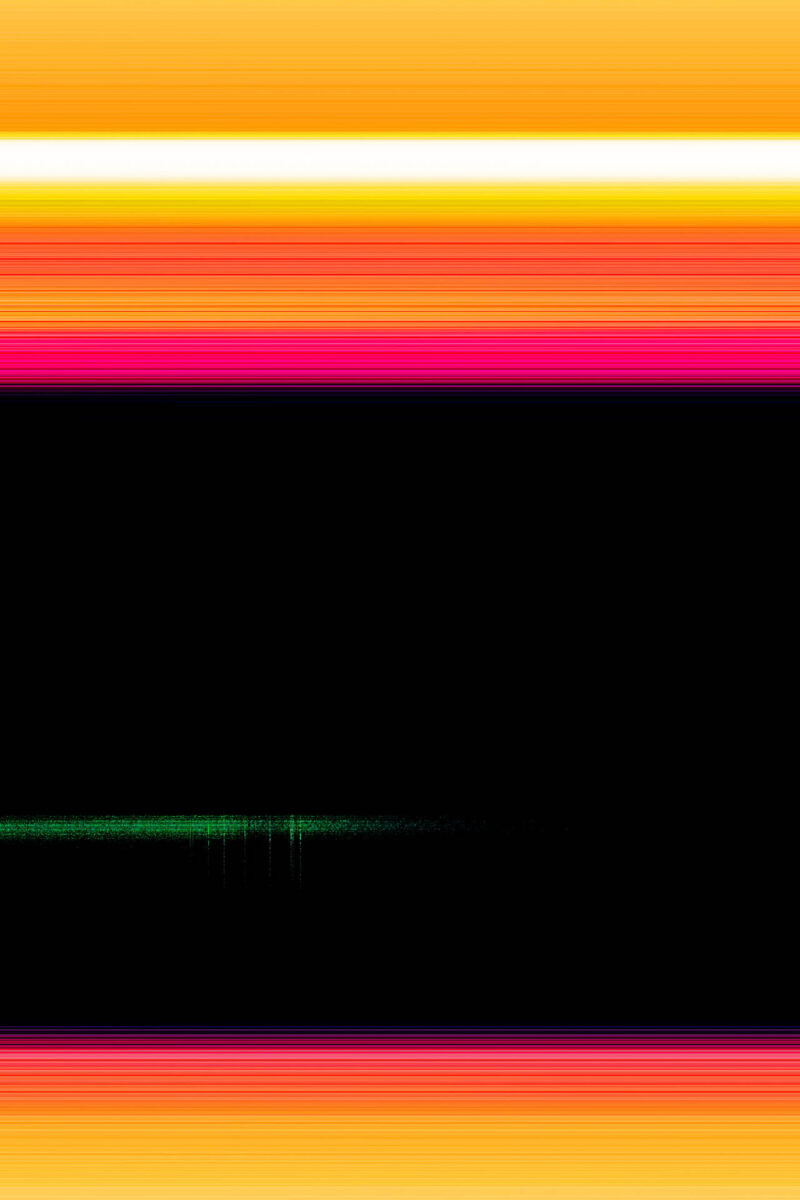
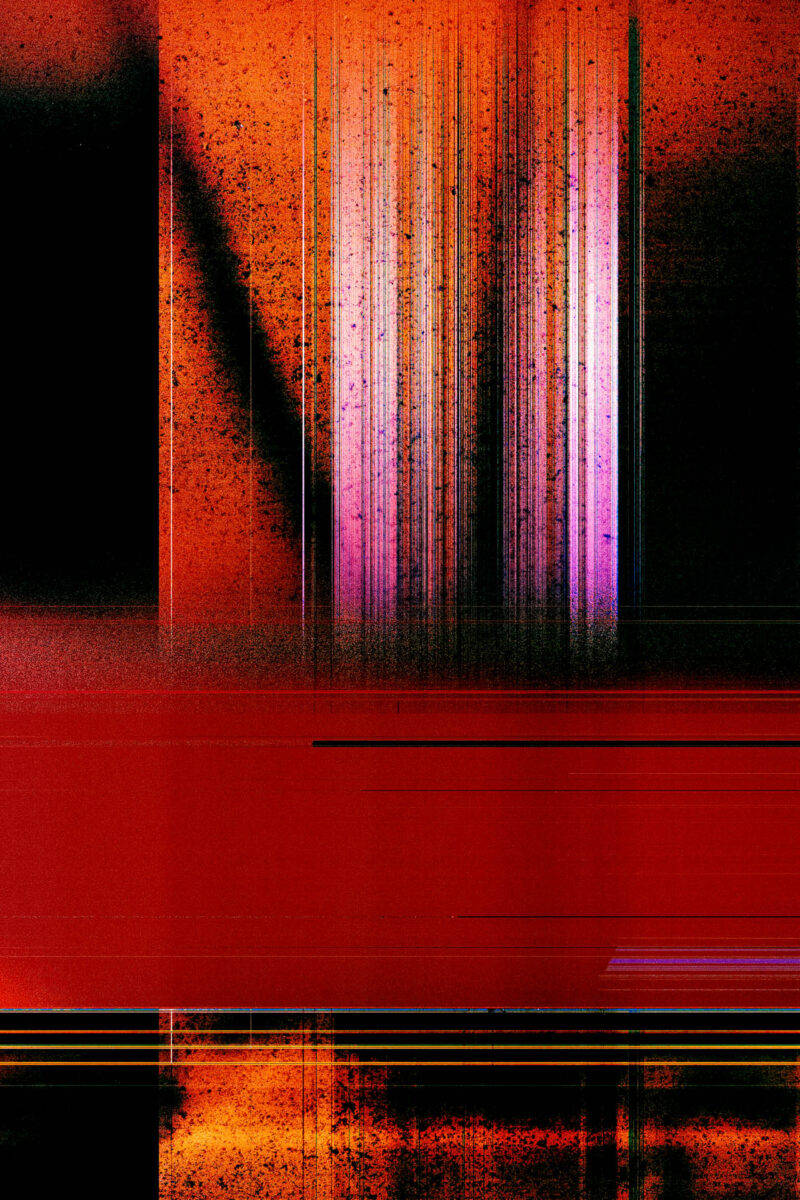
Tommy Goguely | Digital technologies often appear invisible or seamless, only drawing attention to themselves when they fail. To makes the Digigrams series, Goguely deliberately damaged digital cameras by scratching, drilling and altering the photosensitive surfaces, recording the camera’s own degradation.
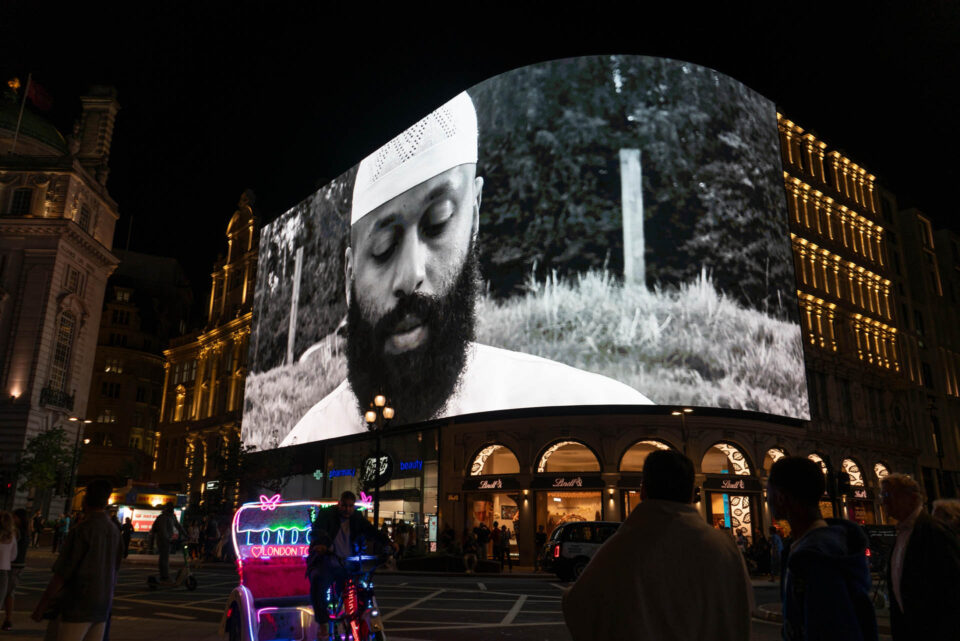
Magid Magid | Returning to sires of racist and anti-Muslim violence in the UK, Magid Magid visits spaces touched by fear and reclaims them through presence, faith and stillness. The video contrasts violent footage of these attacks with calm and dignified scenes in which magic returns to pray at the same sites.
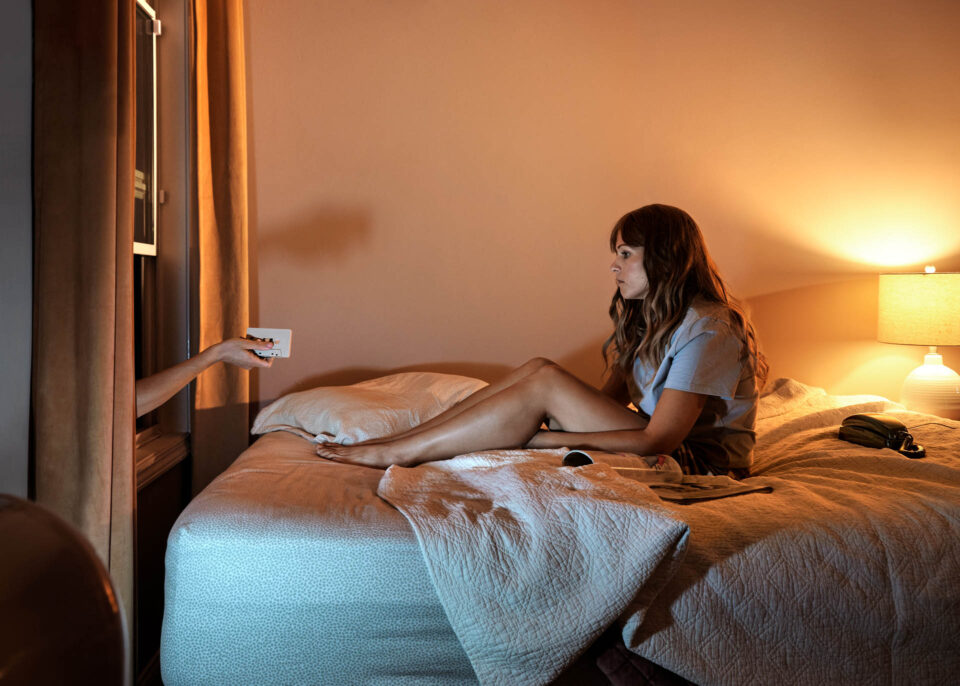
Chrissy Lush | The artist stages photographs in domestic and suburban spaces, focusing on unexpected intrusions. Each images centres on a disruption: firecrackers erupt in a driveway, car headlights illuminate a dance in a darkened room, and an art reaches through a bedroom window to present a cassette tape.
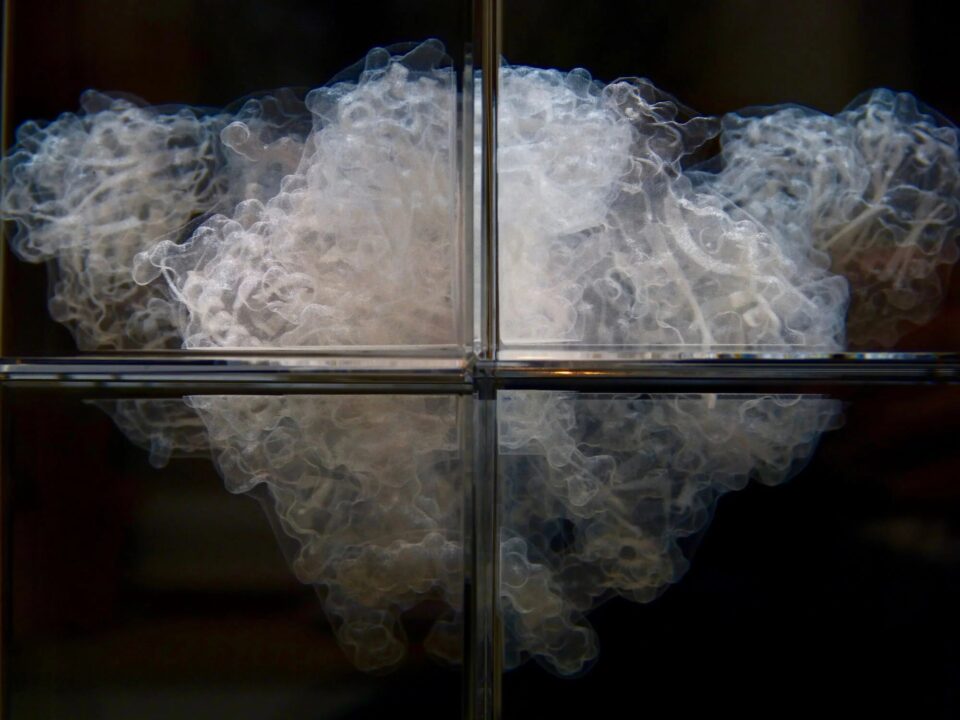
Katharine Dowson | A trimmer is a delicate, mushroom-shaped stricture on the surface of the HIV virus. This structure helps it invade cells and avoid detection by the immune system. Here, sculptor Dowson depicts its microscopic complexity in eight intricately laser etched glass blocks.
These artists will feature in the Aesthetica Art Prize 2026 Exhibition at York Art Gallery from 17 July – 15 November.
Want to get involved? The next edition of the Prize is open for entries. Submit your work by 11 October. Win £10,000, exhibition and publication. Find out more here.
Words: Emma Jacob
Image Credits:
1. Chrissy Lush, Now, (2025). 2. Kazuaki Koseki, Hotarubi -Summer Fairies, (2023). 3. Filip Haglund, 4 Oceans, (2025). 4. Jarrett Murphy, The Ecotone, (2025). 5. Felipe Castelblanco, Tunda: A Quantic Plant and the Devil’s Breath (2025). 6. DIVA, Memoria 2020: When Memories are No Longer Enough (2025). 7. Alexis Pichot, MARCHE CÉLESTE (2025). 8. Claudia Behrensen, Sacred Bond, (2024-2025). 9. Claudia Behrensen, Sacred Bond, (2024-2025). 10. Hope Strickland, a river holds a perfect memory, (2024). 11. Jeonghan Yun, Photography Drawing III, (2021). 12. Edgar Martins, A brief history of impossible solutions for insoluble problems, (2025). 13. Edgar Martins, A brief history of impossible solutions for insoluble problems, (2025). 14. Neville Gabie, At Sea, (2022 / 2025). 15. Sara Campaci, The Fragmented Self, (2023-ongoing). 16. Teti, Cut Off, (2021). 17. Yasukai Matsuura, Distance, Reflex, Panorama, (2024). 18. Neil Armstrong, The Tipping Point, (2020). 19. Liza Dracup, Fractured Routes, (2024). 20. Tommy Goguely, Digigrams, (2024). 21. Magid Magid, Faith Amongst the Ruins, (2025). 22. Chrissy Lush, Now, (2025). 23. Katharine Dowson, A window to a future of an HIV Vaccine, (2015).


