

In 1912, Pablo Picasso and George Braque began experimenting with combining artworks on a page. As art critic Michael Bird wrote, it “transformed collage from parlour game to avant-garde medium.” The process soon became popular in Modernist and Cubist circles, as artists sought new methods of creative expression, Yet, this narrative, as Fiona Rogers writes in the introduction to Cut Out, presents “historians and art critics with something of a conundrum.” The reality is that there were makers all over the world, mostly women, folk and Indigenous artist, who have been relegated to the margins of the practice.
Cut Out, a new publication from Thames & Hudson presents collage, assemblage and montage as a form of resistance, inextricably tied up with class, race and gender. The book demonstrates how practitioners from the 19th century to today have contributed to a “defiantly feminist, rather than feminine, art experience.” In this expansive survey, readers encounter Victorian album makers; Modernist, Surrealist and Dadaist innovators; and radical, second-wave feminist artists. Particularly compelling are the book’s “In Focus” chapters, where the focus homes in on a single individual’s influence on the medium. Those featured include Dora Maar, Hannah Höch, Lorna Simpson, Mickalene Thomas and Wangechi Mutu.
What sets Cut Out apart from other art history books is its ability to look forwards, as well as back. As Rogers writes in the final chapter “photomontage, collage and assemblage can speak simultaneously to the present and the future, blending fact with fiction.” This last section reconciles those who came before with the artists pioneering new techniques today. Methods, technologies and crises may evolve, but collage’s ability to say something powerful about conflict, inequality and existential threats is as strong as ever.
Cut Out: A Feminist History of Photo Collage, Montage and Assemblage is published by Thames & Hudson.
Words: Emma Jacob
Image Credits:
1. © The Victoria and Albert Museum, Claude Cahun (1894–1954), Aveux non Avenus [Disavowed Confessions], Platinum prints, 1930; printed 2004. 18 × 13 cm (each). V&A: E.714-2005 to E.721-2005.
2. © The Victoria and Albert Museum, Elemérné Marsovszky (1895–1944), Untitled (women holding ball with skull emblem), c. 1930. Halftone on paper. 22.2 × 14 cm. V&A: PH.1013-2024.
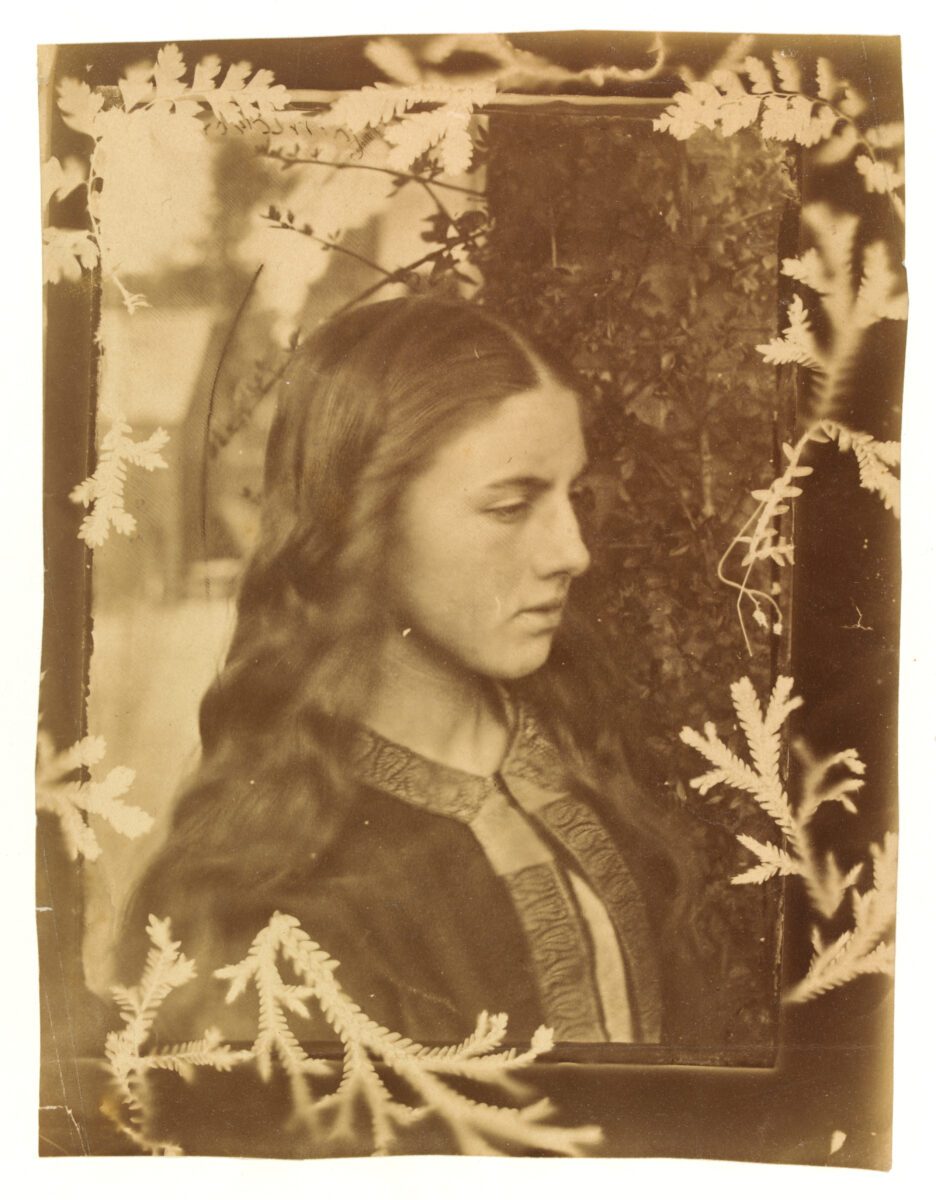
3. © The Victoria and Albert Museum, Julia Margaret Cameron (1815–1879), Kate Dore with Photogram Frame of Ferns, photograph by Oscar Gustav Rejlander in collaboration with Julia Margaret Cameron, c. 1862. Albumen print. 19.6 × 15 cm. V&A: PH.258-198.


