

As a sweeping survey of Indigenous Australian art garners rave reviews in Melbourne and major institutions in the UK (such Tate Modern with Emily Kam Kngwarray) and the US (the National Gallery of Art with The Stars We Do Not See) turn the spotlight onto the vast subject, how does one get to grips with it all? We asked Kelli Cole, the lead curator of Tate’s Kngwarray survey, and the academic Jennifer Green, who assisted on the exhibition, to select five of the best books about Indigenous Australian art.
Aboriginal Art (2025) by Wally Caruana
“Wally Caruana was the senior curator of Aboriginal and Torres Strait Islander Art at the National Gallery of Australia between 1984 and 2001. His book provides a concise survey exploring how the diverse works of Aboriginal and Torres Strait artists has continually developed and responded to change. He considers the impact of urban living, the growth of local art centres that support the artists in these communities, and the recognition of women artists.”
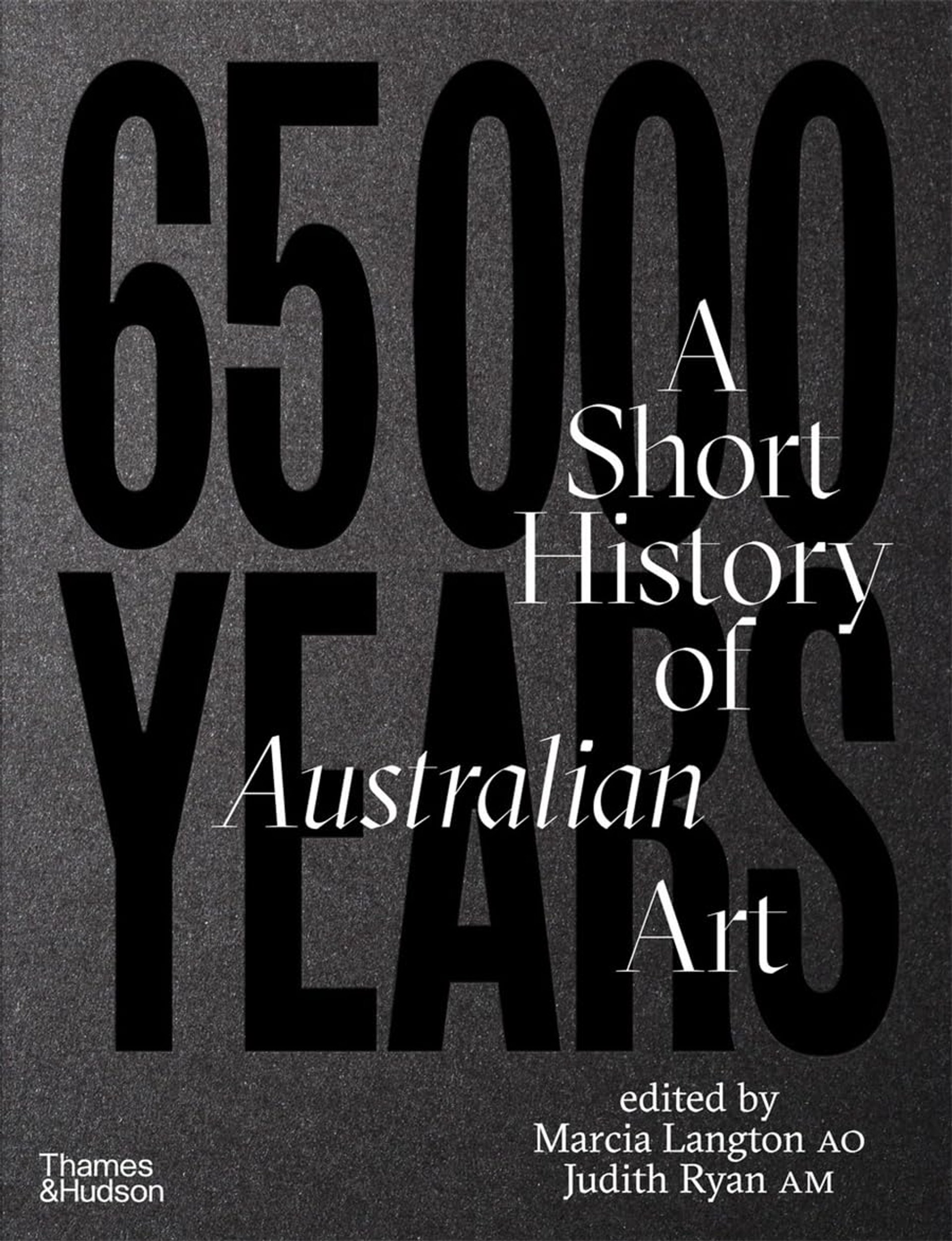
65,000 Years: A Short History of Australian Art (2024), edited by Marcia Langton and Judith Ryan
“This is a brilliant starting point for people new to Indigenous Australian art, uncovering how art has shaped the continent as we know it today and the societies that thrive here. It explores how art forms that had been thriving for thousands of generations were disregarded by the settlers and not considered as ‘fine art’ until the late 1980s.”
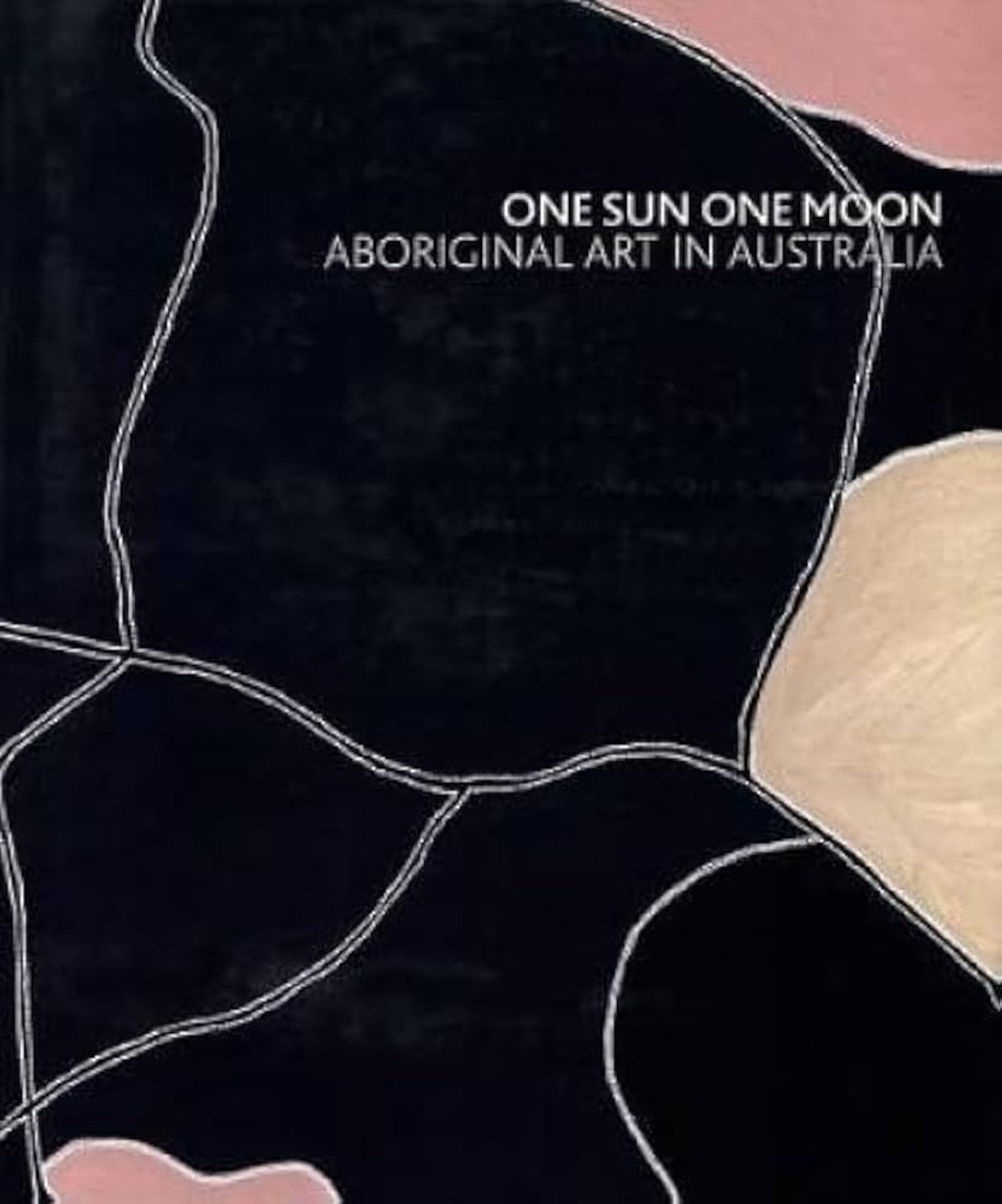
One Sun, One Moon (2007), edited by Hetti Perkins, Margie West and Theresa Willsteed
“A stunning illustrated publication that features essays by 25 leading scholars and interviews with 16 key artists. It details the diverse artistic expressions from various regions, including Arnhem Land’s northern aesthetics; Papunya’s mysterious dot paintings; the intense hues of the desert painters; ancient rock art from the Kimberley region in Western Australia; and the rich tradition of fibre arts.”
Everywhen: The Eternal Present in Indigenous Art from Australia (2016) by Stephen Gilchrist
“First Nations concepts of time play a critical role in the works of many contemporary Indigenous Australian artists. Organised around four central themes—ancestral transformation, ritualised performance, seasonality and remembrance—this book provides a cultural framework to help us understand the importance of the land and the art it inspires.”
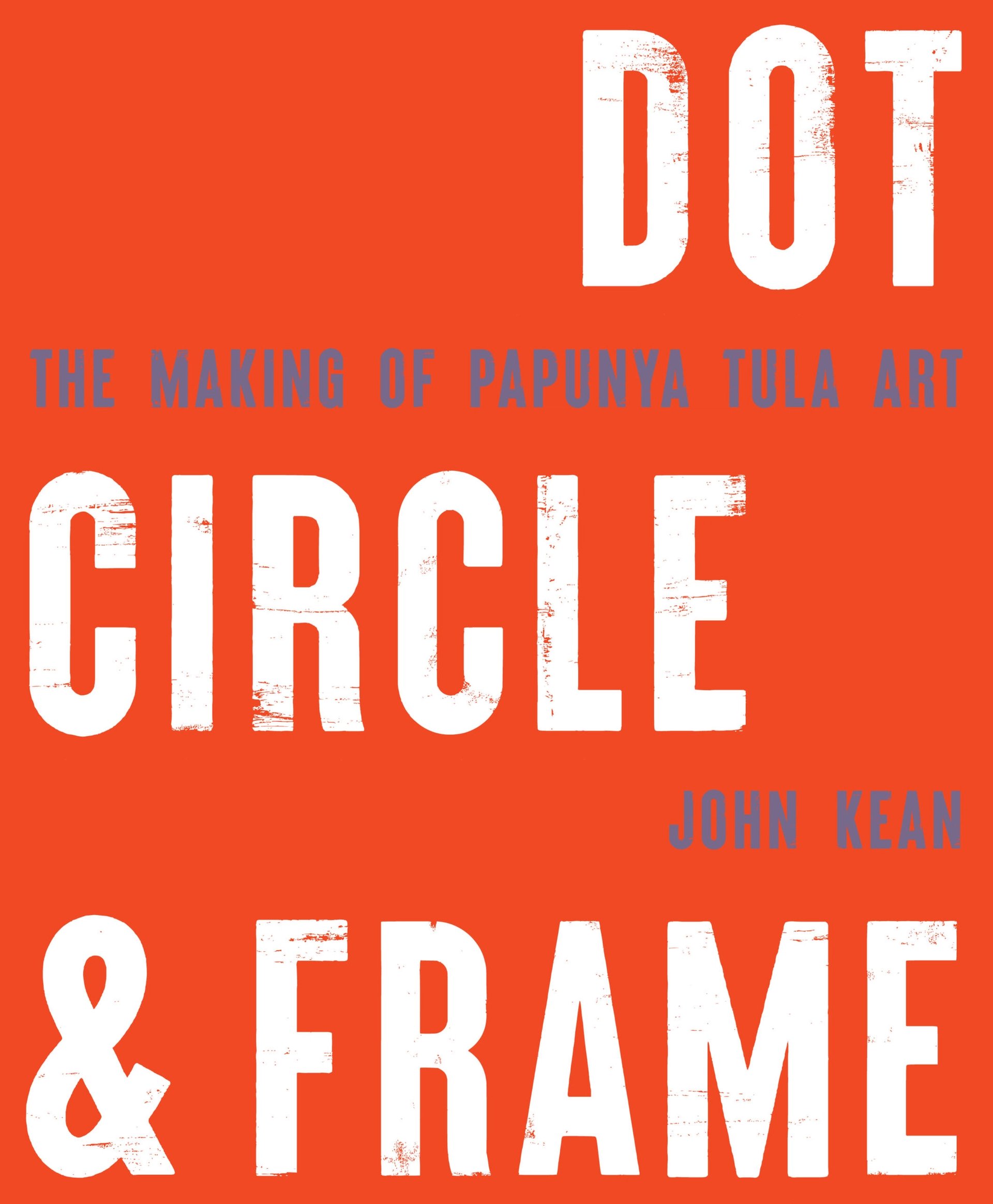
Dot, Circle and Frame: The Making of Papunya Tula Art (2023) by John Kean
“Dot, Circle and Frame tells the story of a group of four artists—Kaapa Tjampitjinpa, Johnny Warangkula Tjupurrula and brothers Tim Leura and Clifford Possum Tjapaltjarri—who, in 1971, started a radical new art movement in the Northern Territory. They called on their inherited iconography and the poetic possibilities presented by paint on canvas to conjure contemporary desert art. Their accomplishments created the conditions in which artists such as Emily Kam Kngwarray gained worldwide recognition.”
• Emily Kam Kngwarray, Tate Modern, London, until 11 January 2026
• The Stars We Do Not See: Australian Indigenous Art, National Gallery of Art, Washington, DC, 18 October-28 February 2026


